Update 1/21/11, 4:35 p.m.: I’ve modified my original description of HR 1018 to correct a mistatement on my part and to better reflect the views of the Washington bicycling community.
Update 1/24/11: PubliCola is now reporting that HR 1018 has been shelved.
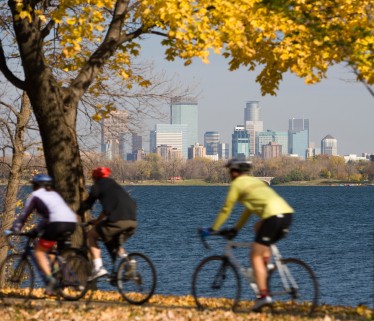
With new legislatures in session in both Oregon and Washington, now is a good time to canvas the bicycle-related bills. Washington has a pair of bills that enjoy bipartisan sponsorship, while Oregon has a couple that actually restrict bicycling, including one that has pegged local outrage meters at 11. Let’s dig in.
The marquee bill in Washington is the “mutual responsibilties” bill, HR 1018 / SB 5193, the overarching purpose of which is clear enough: “every person riding a bicycle upon a roadway shall be granted all of the rights and shall be subject to all of the duties applicable to the driver of a vehicle…”
That may sound like business as usual, but the bill does contain some modifications to existing law, and it will be interesting to watch the debate that they generate. Among the changes are these:
- Cyclists who are traveling slower than the speed of traffic must ride as close to the right side of the road as the rider judges to be safe. The law also requires cyclists who are traveling slower than the speed of traffic to make use of available paved shoulders or bike lanes when they are safe to use.
- Bicyclists are prohibited from riding more than two abreast on normal roadways, unless they are in the act of passing.
- Vehicles traveling under 35 miles per hour must allow a minimum of 3 feet of space when passing bicycles or pedestrians. When traveling at higher speeds, vehicles must allow at least 5 feet of space.
The Bicycle Alliance of Washington, an advocacy organization that proposed the bill, has more detail here.
Also of importance in Washington is the “local speed limit” bill, HR 1217, which cuts red tape so that it’s easier for local jurisdictions to reduce speed limits. Rather than having to perform costly and time-consuming engineering and traffic investigations, this bill will simply let municipalities establish 20 mile-per-hour zones in residential areas at their discretion.
Read more

 The Census Bureau is debuting
  I handed over my two-year-old daughter (and four pages of instructions) to them while my husband and I fled to a hotel in downtown Seattle for two glorious nights. We drank
  For the last several years something has really gotten under my skin: the way we talk about housing and affordability. I don’t like the way we