
2025 Gratitude Report
Download the PDF here• From the executive director
• 2025 program highlights
• Board member profile
• Staff member profile
• Financials
Cascadia
Strong communities, a green economy, a healthy environment.

From the executive director
Cascadia sometimes advances not by addition but by subtraction, and 2025 was one of those sometimes.
In a year of heartbreaking national and global reversals, the local story here in the Pacific Northwest was better. Believe it or not, Sightline had one of its best years ever.
Together, the Sightline team (which includes you!) quietly chipped away at numerous antiquated barriers to clean energy, abundant housing in low-carbon neighborhoods, and a more functional democracy. Many of those obstacles—small and large—gave way, releasing into the world cleaner energy, more homes, and stronger democracy.
In Washington, outdated rules that slowed housing near transit fell to the legislative delete key, and parking mandates that once stood between neighbors and affordable homes finally gave way to progress. In Oregon and Montana, communities cleared space (literally and legally) for homes that welcome more people into walkable, compact neighborhoods. And in Alaska, legislators defended the state’s ranked choice voting elections from repeal attempts, ensuring that the power to shape the future belongs to all.
Each of these victories, born of persistence and partnership, brings us closer to the Cascadia we envision, one defined not by scarcity or restriction but by possibility;
None of this happens without you. Your generosity is what clears the path, one policy, one partnership, one act of hope at a time. Thanks to you, Cascadia is inching toward the goal you and I both share: setting a global model of reconciling people and prosperity.
We still have barriers to remove, of course—many of them. But I am confident that we—you and I and the rest of the Sightline community—will do it with our usual rigor, resolve, and bone-deep conviction that Cascadia is worth fighting for.


Alan Durning
Executive Director
2025 Program Highlights
In 2025 your support helped Sightline notch major wins for Cascadia’s sustainable future. Together, we amplified democratic voices, accelerated the transition to clean, affordable energy, and unlocked new possibilities for housing all our neighbors.
Our shared vision for a thriving Cascadia, where every family has space to grow and reliable power to prosper, is becoming reality, thanks to your generosity.
Climate + Energy
To power a future of plenty, we must dismantle the carbon-heavy systems of the past and clear the path to clean, reliable energy. With your support, we’re making progress.
Neighborhood-scale electrification: Serving as an expert witness in Oregon, Sightline helped secure a groundbreaking agreement from Avista to pilot neighborhood-scale electrification and gas system decommissioning, if found cost-effective, removing a critical barrier in the transition away from fossil fuels.
Grid upgrades: We championed legislation in Oregon that expands utilities’ reliance on technologies to upgrade existing transmission lines, unlocking the fastest, most cost-effective path to increased grid capacity.
Ending gas system expansion subsidies: In Washington, two gas utilities stopped using ratepayer money to subsidize fossil gas system expansion (a perverse practice that for years Sightline has been encouraging regulators to end).
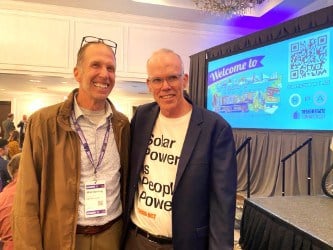
Alan Durning with Bill McKibben at the YIMBYtown conference. McKibben is a longtime friend (and fan!) of Sightline.
Democracy + Elections
A thriving, abundant region needs a democracy that works for everyone. In 2025 we broke down barriers to participation and protected reforms that put power in the hands of voters.
Defending open primaries: We successfully protected Alaska’s unified top-four primary and ranked choice voting system against repeal efforts, ensuring that Alaskan voters—not just party insiders—hold the power.
Expanding representation: We celebrated the first year of Portland’s proportional representation system, which cleared hurdles that had long limited diverse voices in city government.
Empowering voters: Our research and strategic storytelling were instrumental in renewing Seattle’s Democracy Voucher program, which the city’s voters reauthorized with a resounding 59 percent of the vote, upholding opportunities for everyday Seattleites to better connect with their candidates.

Northern momentum with ranked choice voting: In the Yukon, voters made history by approving ranked choice voting in a November referendum. Sightline’s deep-dive analysis and regional thought leadership helped remove doubts and helped make this advancement possible.
Housing + Cities
For a region to flourish, it must have enough homes for everyone. In 2025 this simple truth found unprecedented traction across three states at once, creating the most productive year for housing solutions in Sightline’s history.
WASHINGTON: SETTING THE NATIONAL PACE
Washington moved from incremental changes to setting national precedents, overcoming obstacles that had constrained housing production for decades.
Transit-Oriented Development (TOD) + Funded Inclusionary Zoning: We helped craft the country’s strongest statewide TOD framework, which pairs mixed-use building near transit stations with a funded inclusionary-zoning mechanism, clearing a pathway for more homes right where transit already exists and setting a national precedent for equitable transit-linked growth.
Parking reform leadership: Sightline served as the primary policy architect for what is arguably the most robust statewide parking reform ever passed in the United States, removing mandates that had driven up home prices and rents.
Unlocking neighborhood potential: We successfully passed lot-splitting legislation, which frees homeowners to open up more local housing potential, one property at a time.
OREGON: A CULTURE OF “YES”
Oregon solidified its status as a leader by unblocking pathways to abundant housing and making it simpler and more inclusive to build the homes families need.
Standardizing success: Sightline helped finalize rules that require any cities trying to sandbag homebuilding in walkable neighborhoods to adopt a new model code that legalizes apartments in a large area, ensuring that housing obstructionism will find no holdouts in Oregon.
Streamlined living: Oregon legalized detached ’plexes and redefined co-living units, removing restrictions that had limited diverse and affordable ways to live in opportunity-rich areas.
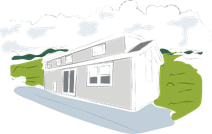
THE “MONTANA MIRACLE” AND BEYOND
Montana’s breakthrough reforms proved that bold bipartisan action can reshape a state’s housing landscape, and the ripple effects were felt far beyond its borders. Guided by Sightline’s research, legislators crafted a historic package that dismantled decades-old barriers and set a new standard for pro-housing lawmaking nationwide.
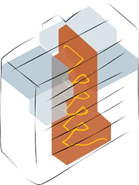
Legalizing height: Montana swept away constraints that artificially limited building height, allowing structures up to six stories in downtown and commercial zones and inviting vibrancy back to urban cores.
Prioritizing people over pavement: We helped eliminate costly parking mandates for small homes, removing the burden that forced neighbors to pay for garage space rather than living space.
Modernizing design: Montana introduced single-stair flexibility for six-story buildings, removing outdated building codes that prevented efficient floor plans and made small-scale apartment living less viable.
A Regional Model, a National Movement
Our work in 2025 didn’t stop at Cascadia’s borders; it continues to inform a global movement toward sustainable abundance.
At the annual YIMBYtown Conference, Sightline staff led the conversation on how Cascadia is removing barriers to housing across North America. Cities from coast to coast are now adopting our blueprints for parking reform and middle housing—proof that when you dismantle restrictions in one region, you light the path for countless others.
Board Member Profile
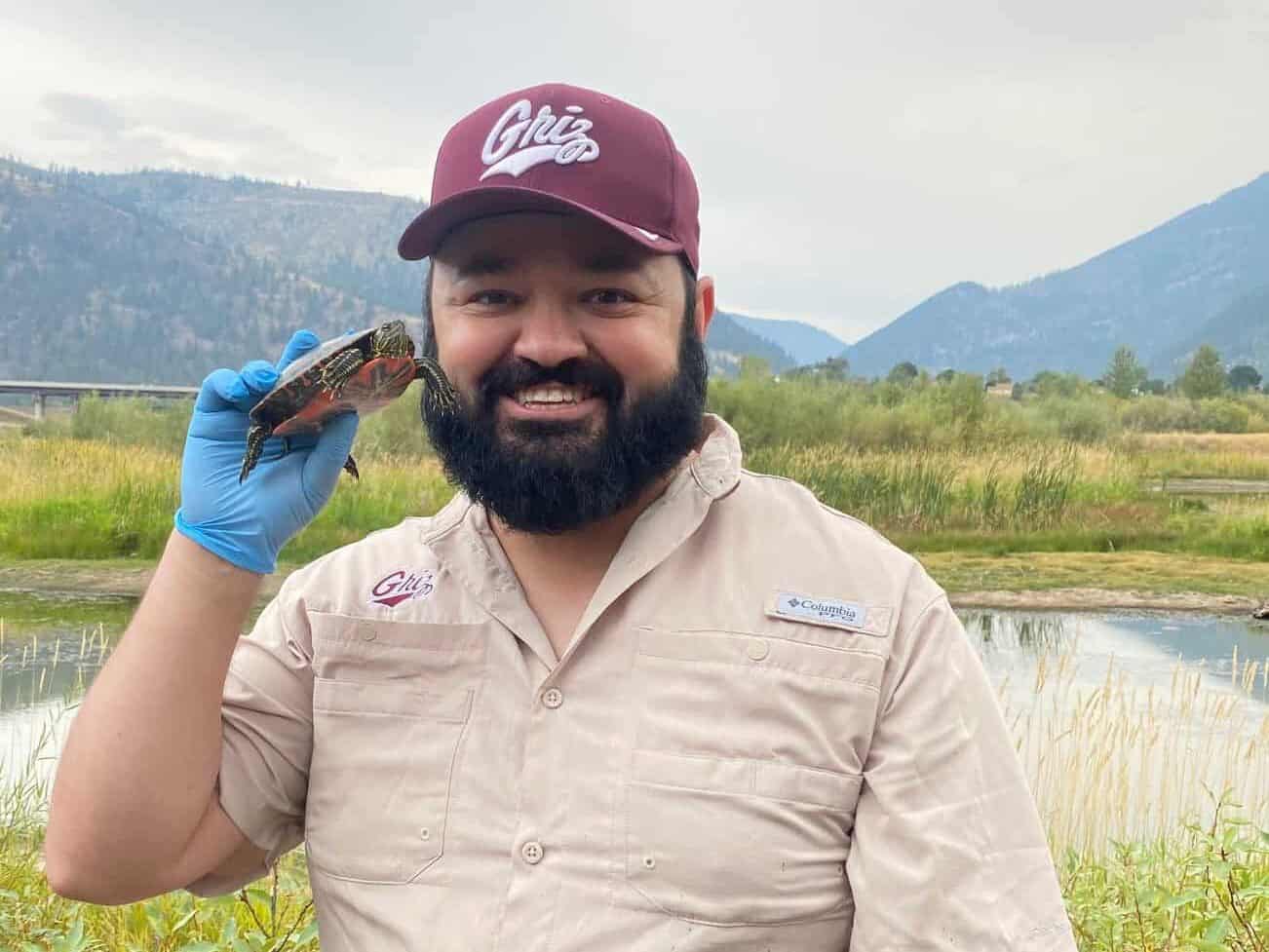
Dr. Erim Gómez
THE CASCADIA DREAM
A Sightline board member on the past, present, and future of his deep responsibility to place.
My connection to Cascadia began before I was born. In the early 1970s, my father traveled to Oregon’s Willamette Valley as an undocumented young man to work in an apple orchard, as many Mexican immigrants did and still do across Cascadia. He was struck by the beauty, the dense green forests, and the rugged Oregon coastline. He decided then that one day he would return to Oregon to own a piece of the Cascadia dream.
Two decades later, my father fulfilled that dream. He purchased 80 acres on the rural Oregon Coast, and Cascadia became my family’s home. We turned that land into a working ranch and farm, growing and raising much of our own food, including fruit, vegetables, milk, eggs, and animals for meat. Living that way taught me about stewardship of place. I have now lived in this region for more than three decades, and the bond to place and stewardship continues to guide both my professional path and my personal commitments.
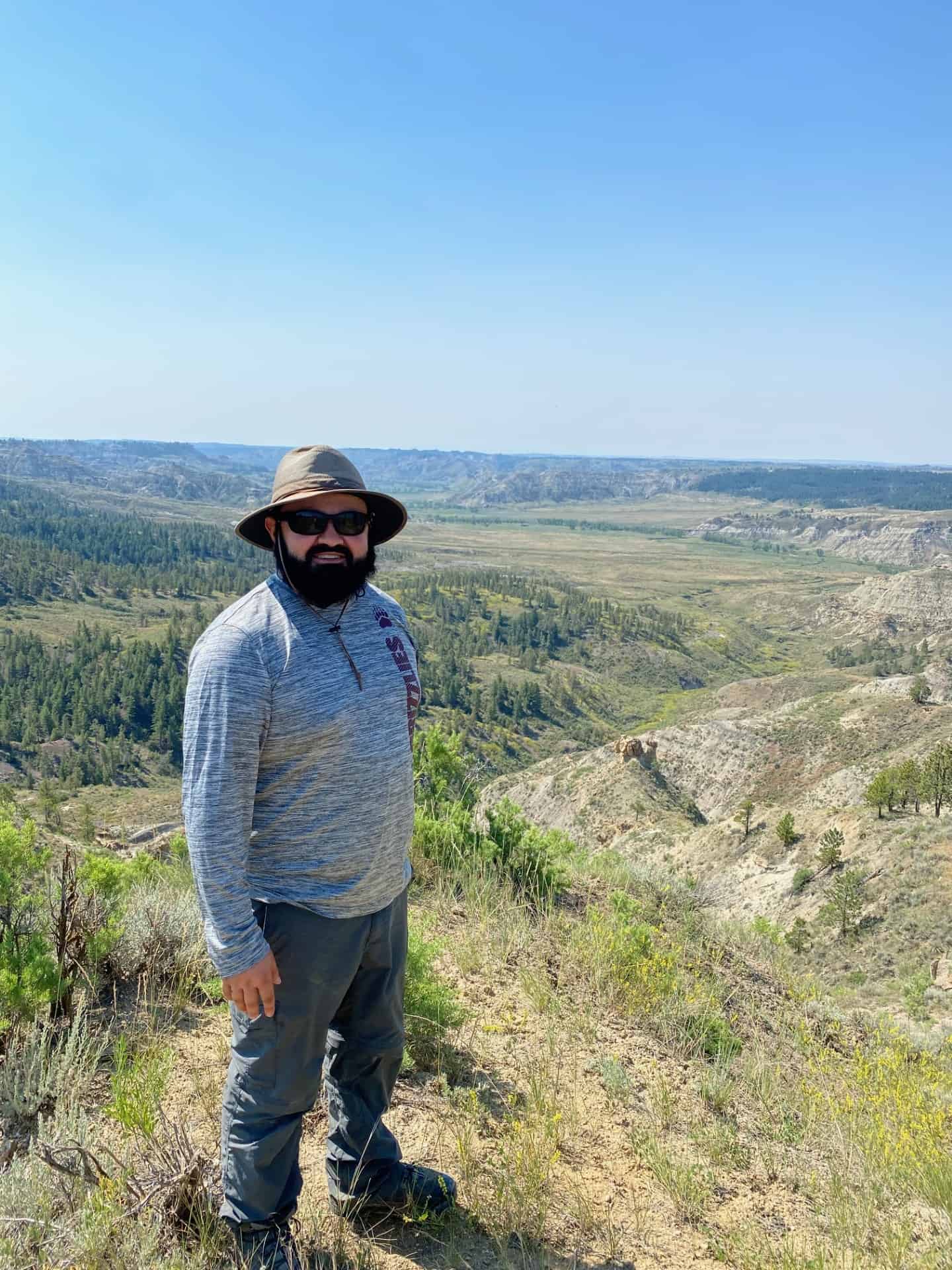
“The commitment to conservation and sustainability that I see in my students gives me hope for the future. Working alongside them, our communities, and Sightline, we are shaping a Cascadia that is healthier, more resilient, and socially just.”
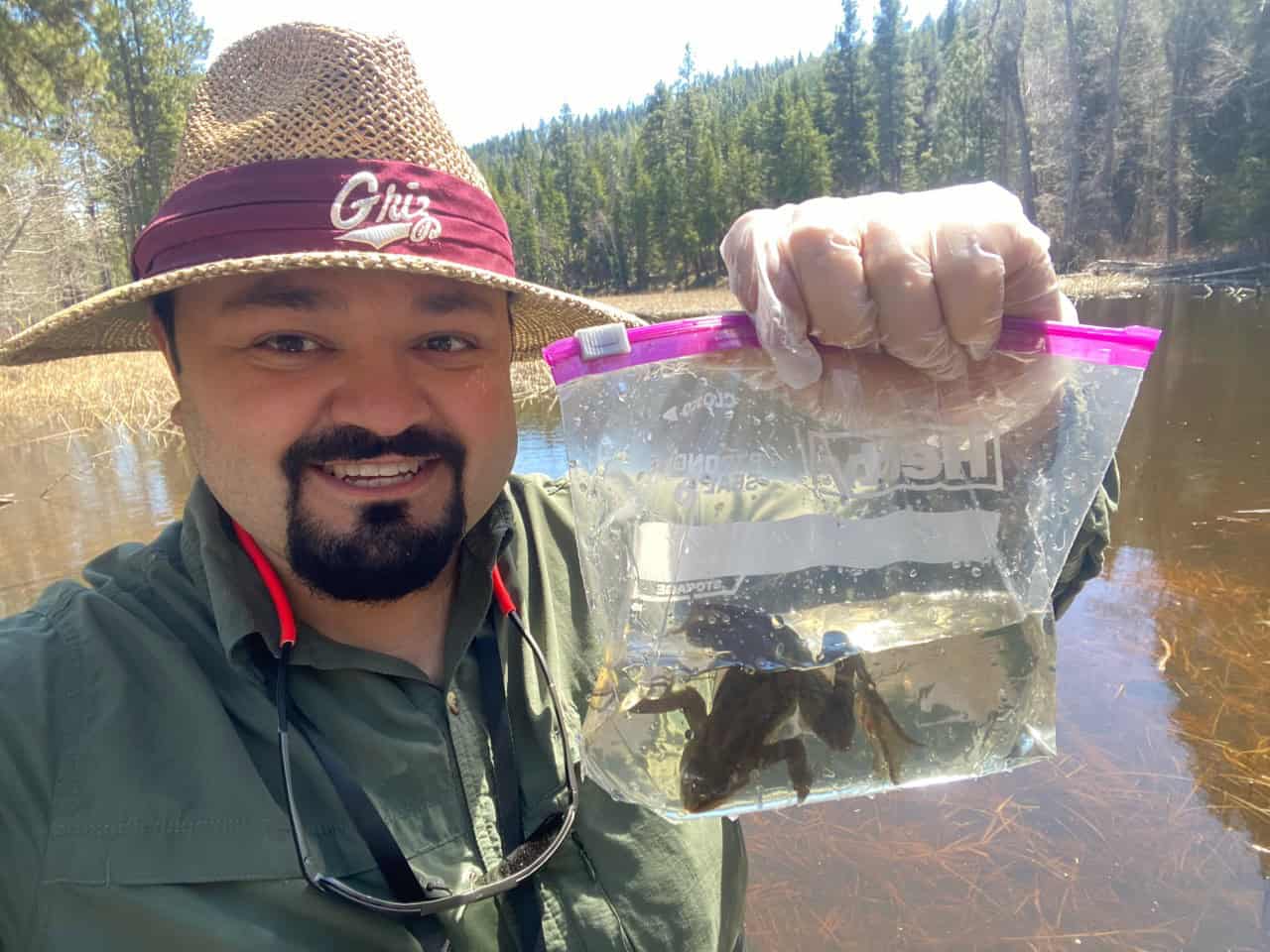
Today I serve as a professor of wildlife biology at the University of Montana, where my research and teaching focus on wildlife habitat ecology and conservation management, particularly charismatic minifauna. In the classroom, I remind students that science does not tell us what to do; rather, it helps us make better-informed decisions. I ask them to wrestle with how values shape choices and how science, policy, and community voices can come together to build solutions that serve people and the ecosystems we love.
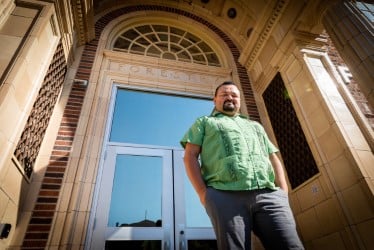
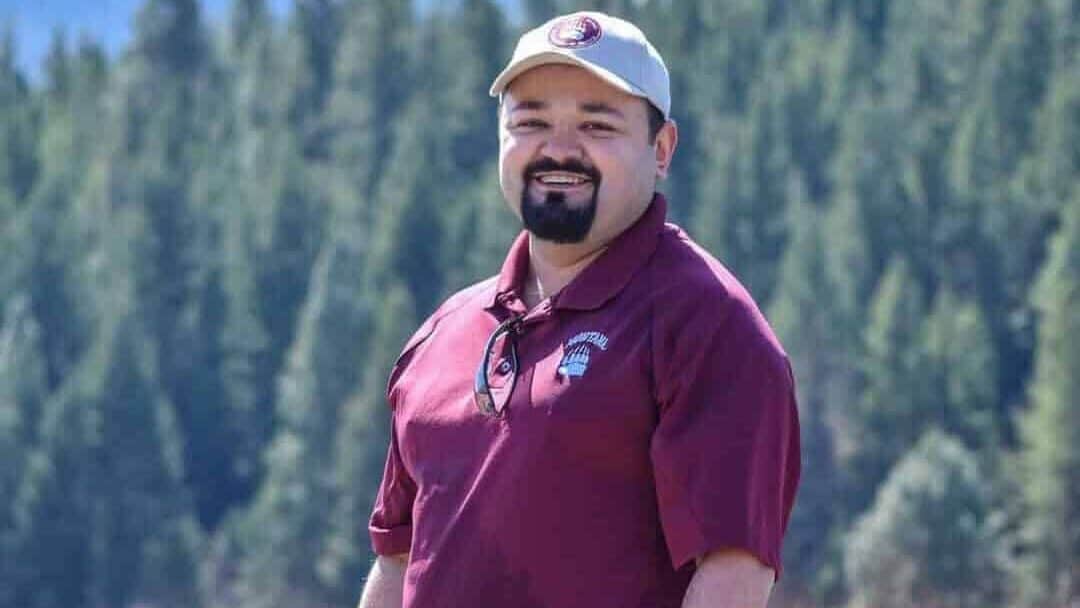
My connection to Sightline grew naturally from these commitments. Sightline’s dedication to rigorous data-driven analysis reflects my belief that evidence-based information can guide better decisions. I am inspired by the organization’s commitment to long-term thinking and coalition-building to move Cascadia toward a more just and sustainable future. Serving on Sightline Institute’s board is my way of giving back to the region that gave my late father and my family a home

Staff Member Profile
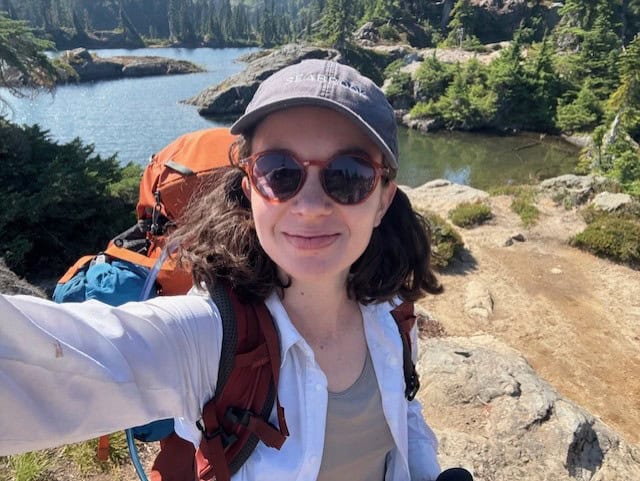
Emily Moore
THE ACCIDENTAL CASCADIAN
Sightline’s Climate + Energy senior director on trading New York City for Seattle, falling for a region, and working to protect it.
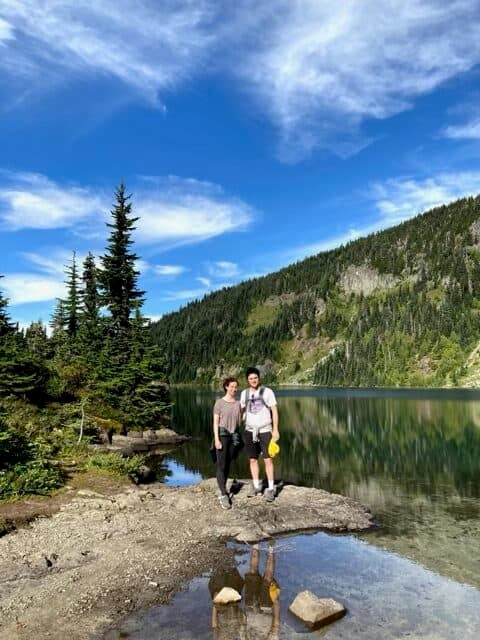
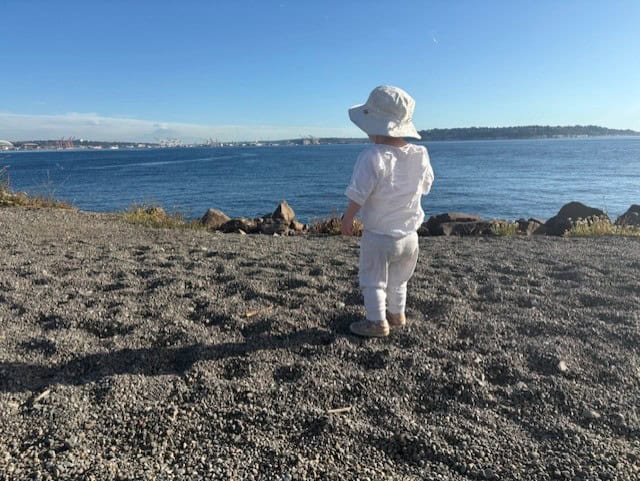
In the five years since I moved to Seattle, and the four since joining Sightline to reimagine and lead its climate program, Cascadia has become a lot less random. It’s a place whose towns, mountains, and forests I love to explore, whose history I inhale, and whose politics and contradictions fascinate me. It’s where my now-husband and I got engaged (twice—once on the Olympic Peninsula and then at the top of Oyster Dome), where our now two-year-old daughter was born, and where I’ve discovered (much to my parents’ shock) that I love camping.
When I moved across the country to Seattle in September 2020, I had traveled to Cascadia only twice in my life, each for three-day work trips. My partner and I showed up to our Beacon Hill rental sight unseen and knowing precisely two people in the city. Though I was grateful to be away from the constant sirens and ghostlike New York City at the height of the pandemic (our move was work-driven, not pandemic-driven), I missed my neighborhood, my friends, and seeing my coworkers in real life. I was closer to San Francisco, where I’d grown up, but I felt unrooted, like I was anywhere in the world. It all felt a little random.
My job at the time contributed to these unmoored feelings. I spent long days advising large nonprofits and foundations around the world on social impact strategies that may or may not ever be adopted.
I started craving devoting my time and attention to an organization that would tether me to my new home while allowing me to finally work to create change in the way I had long believed was most effective: smart public policy. Talking to friends or colleagues of acquaintances in Seattle, I kept hearing, “Have you heard of Sightline Institute?”
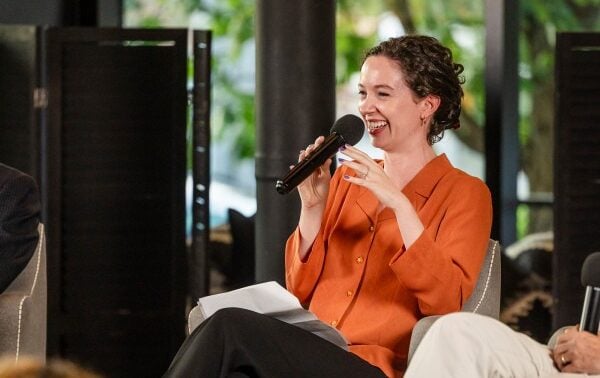
“Now Cascadia is a place I want to protect and help thrive. Every day
I work at Sightline allows me to do just that.”
It’s where I’ve worked with lawmakers in Olympia and Salem as we try to untangle the region from fossil fuels, met Tribes and environmental organizations grappling with the promise and challenge of the clean energy transition, and seen firsthand the legacy of past energy infrastructure build-out, from the abandoned nuclear power plants in Satsop to the Grand Coulee Dam.
Now Cascadia is a place I want to protect and help thrive. Every day I work at Sightline allows me to do just that.
Sightline Institute
2025 Financial Snapshot
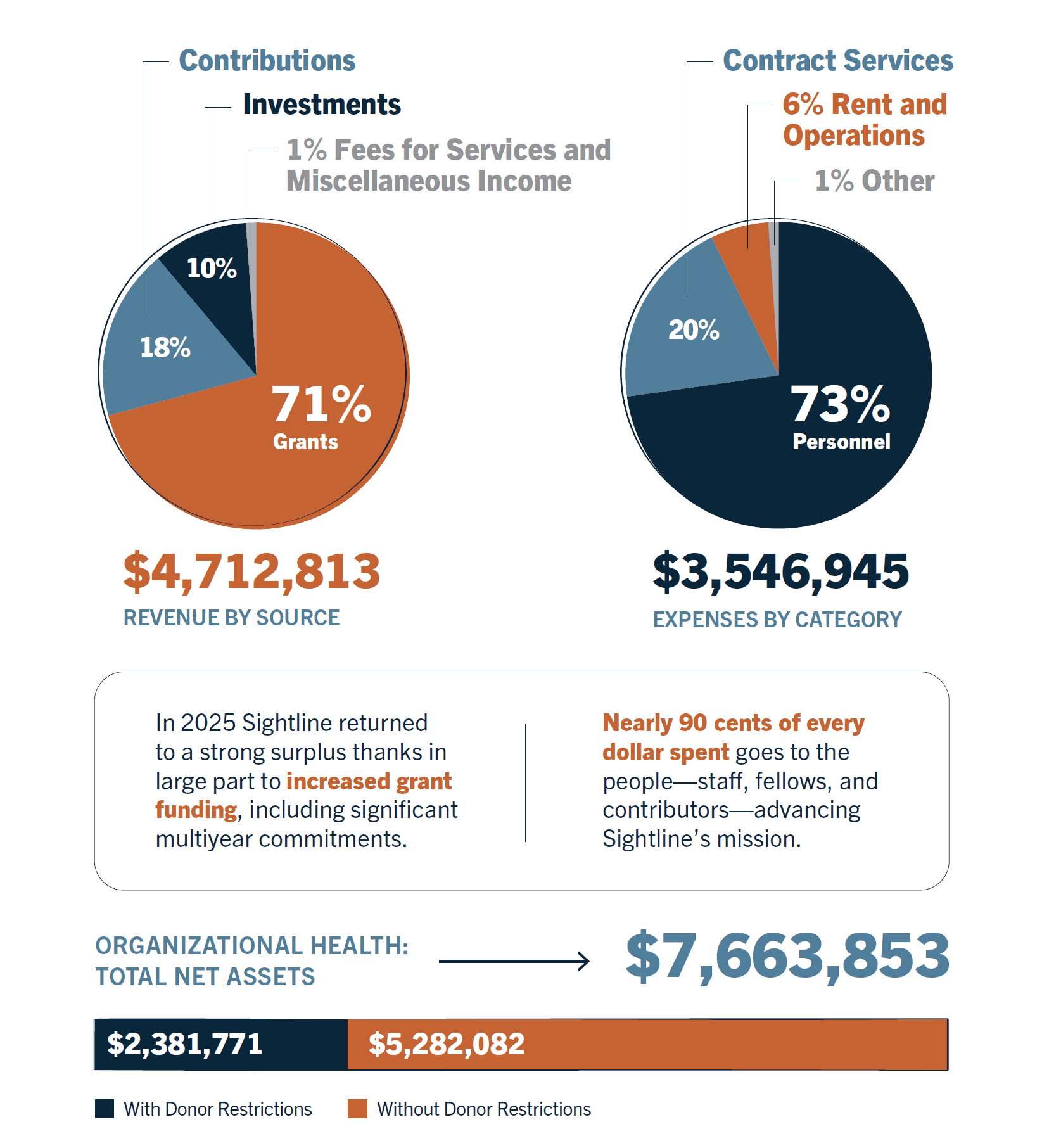
Figures are rounded to the nearest whole percent or dollar. These figures are preliminary and will be audited by an independent accountant. For a copy of the audited financial statements, please contact Meaghan Robbins at 206-447-1880 (option 1).
Illustrations and design courtesy of ConceptShell Art and Design Studio