I have recently been asking friends and acquaintances that question. Of the few who say, “Yes,” most have one hesitation: fundraising. They’re right to have qualms.
The foundational trait you need to advance in US politics is not stirring oratory, telegenic charisma, policy expertise, or a grand vision. Instead, you need access to cash. Unless you have Bloomberg-like personal wealth, you have to be good at asking for money, mostly on the phone.
You have to not mind doing it, because you have to do a lot of it. It’s your main job, as a politician, and not just during your campaigns. If you’re a candidate for local office, you may get away with just an hour or two a day of fundraising calls. One candidate for state representative who faces only light opposition told me recently that she “only” has to put in six hours of call time a week. But the higher the office, the more fundraising. The Democratic Caucus in the US House of Representatives recommends that members spend four hours a day on fundraising calls, twice as long as it recommends spending in committee meetings and on the floor of the house combined.
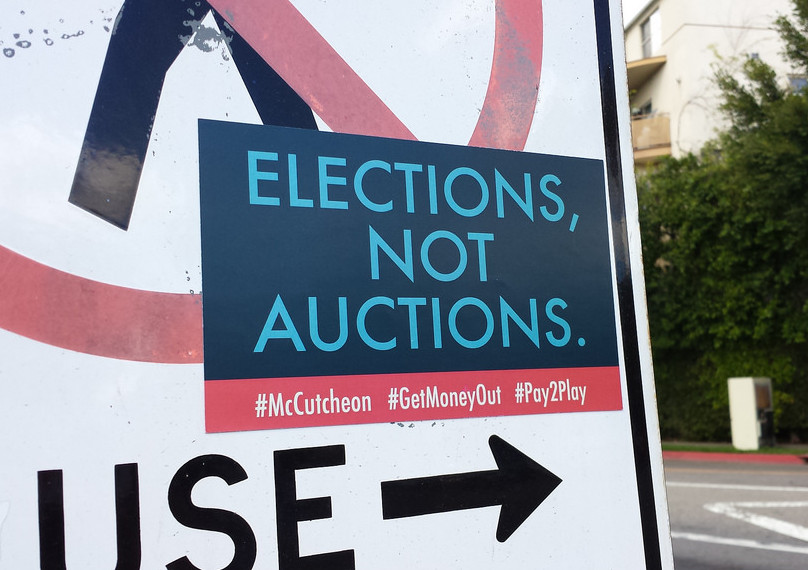
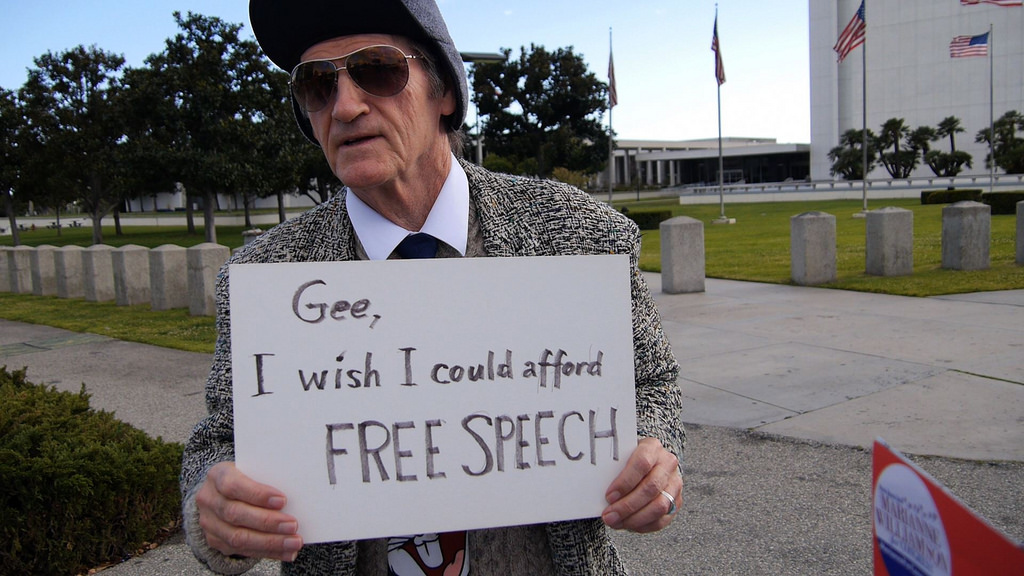
When the conservative majority of the US Supreme Court this week blew up the legal caps on the contributions the richest Americans can make to political parties and federal candidates, it was Citizens United redux: champions for those richest Americans gloated in newspeak about “free speech,” political reporters predicted even more private money flooding the air waves with attack ads, and reform leaders issued outraged statements. Most people, though, just shrugged, despondent but unsurprised, rolling their eyes in a giant, collective “what did you expect?” To most people, the whole system has long seemed rigged by the rich and powerful, and hope for reform is close to nil.
The vagaries of fate are such that the Northwest, especially Oregon and Washington and even more especially Seattle, are positioned to lead the national response to this latest travesty from the bench. They could do so both symbolically and practically, at the ballot box in both cases: by voting against the court’s ruling and then by creating a whole new way of paying for campaigns.
Wrecking Crew
The McCutcheon decision extended the money-is-speech-and-speech-is-sacred logic of Citizens United, and the Court majority gave no indication it is done using that logic to demolish campaign finance regulations. Eventually, the majority may smash others too: the ban on direct gifts from corporations to candidates, for example, and the limit on how much you can give to an individual pol.
Already, the Court’s wrecking crew has made these restraints largely irrelevant. Thanks to Citizens United, anyone, including a corporation, can spend unlimited sums, anonymously, on spuriously named “independent expenditure campaigns.” McCutcheon opens the door to a scam that eviscerates the direct-gift cap: candidates can solicit multi-million dollar gifts for their “joint campaign funds,” then parcel out the proceeds to members of their caucus. Those caucus members can reciprocate, tit for tat. Presto! Each candidate ends up with as much money as she or he raised from each billionaire. (In his vehemently dissenting opinion, Justice Breyer spelled out several other ways that candidates can waltz right past the individual gift limit, thanks to the majority’s see-no-evil ruling.)
Here’s a Rorschach test. I’ll show you a word. You say the first thing that comes to mind.
The word is “government.”
Stop. Go down to comments and record your reaction.
Now, I’ll tell you what your answer means about you. If you’re like many of the friends I’ve asked, your answer is not typical. They said things like “protects,” “services,” “rule of law,” and “us.”
If you’re more normal, you said something less flattering. The most common answer among Americans is a derisive laugh. Yep. A laugh. The G-word qualifies as a one-word joke. Other common answers include snorts of disdain and words like “corrupt” and “waste.” One friend said “sociopaths”; another, amusingly, said “statues.”