If you only want to know three things about British Columbia’s carbon tax, here’s what they should be. First:
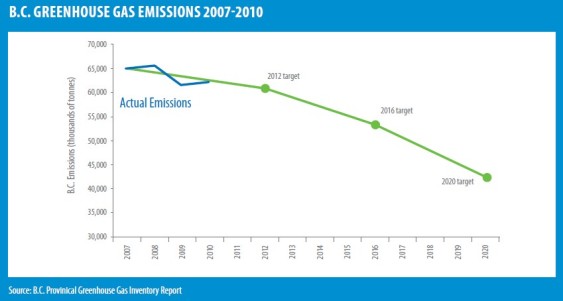
BC’s carbon tax, while still young, is helping the province reduce its greenhouse gas emissions consistent with its targets.
Second:
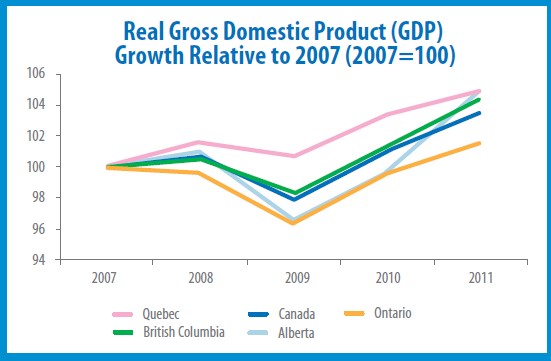
BC’s carbon tax has been correlated with a GDP growth rate higher than Canada’s as a whole. (Compare the green line with the dark blue line.) Combined with the province’s emissions reductions, this is what it looks like to de-carbonize a growing economy.
When my husband and I bought our first house, its 800 square feet of living space was perfect for two. It was what we could afford, and it suited us. We fought rarely, lived within our means without too much trouble, loved living within easy walking distance of restaurants and parks, went away many weekends, divided up the two closets, and dumped all the extra stuff in the basement.
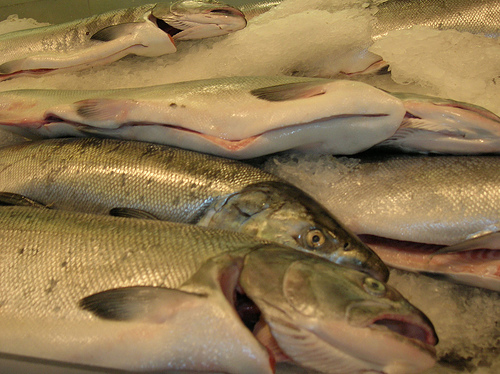
Fresh salmon at market, photo credit Maureen Reilly
Over the holiday season, the US Food and Drug Administration (FDA) issued an administrative finding that may remove one of the last obstacles before the agency approves the sale of genetically modified salmon in grocery stores. Here’s how we got to this point.
In 1995, AquaBounty Technologies, a Massachusetts biotechnology company, filed an application with the FDA to allow its engineered salmon to be the first genetically modified animal in the American food supply. The company had patented AquAdvantage Salmon, a sterile Atlantic salmon female containing a Chinook salmon growth hormone gene, along with a DNA sequence from an ocean pout, a fish resembling an eel. The combination of genetic material allows the modified salmon to grow year-round, reaching market size within 18 months, about twice as fast as conventional salmon.
Commercial fishing interests, including those in Alaska—the state that produces more than 90 percent of all the wild salmon harvested in the US—view genetically modified (GM) salmon as a threat to wild fisheries. Accordingly, the Alaska Congressional delegation is united in opposing these modified salmon.
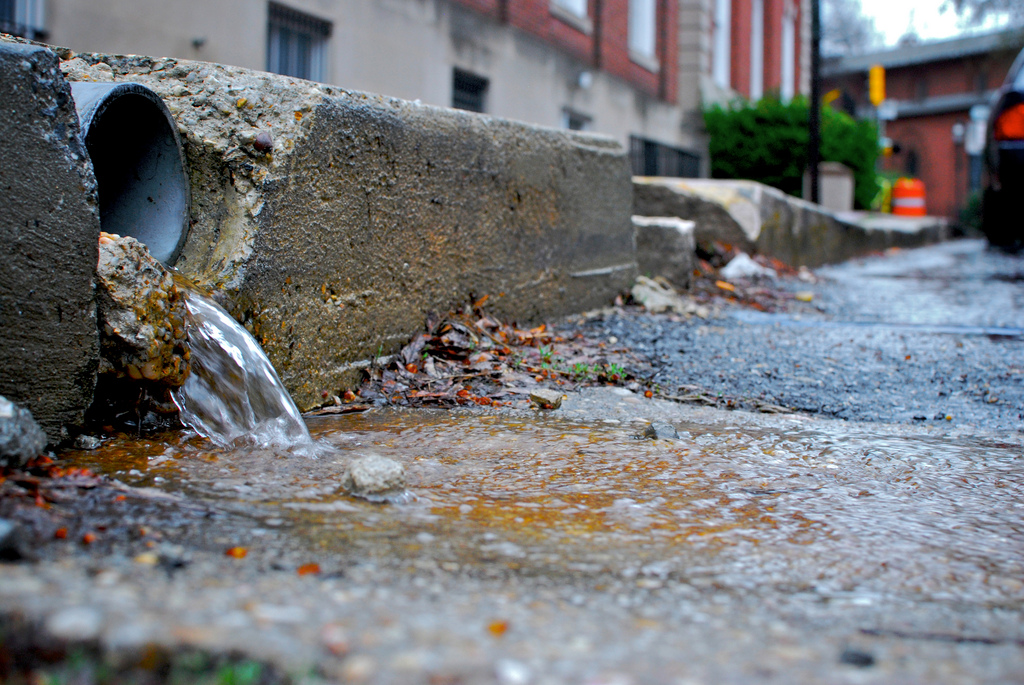
If you’re concerned about water pollution, you’ve likely heard this message: The water that gushes off our roofs, driveways, streets, and landscaped yards is to blame for the bulk of the pollution that dirties Puget Sound and other Northwest waterbodies. You probably also know about the most popular stormwater solutions, including rain gardens and other green infrastructure that soak up the filthy water, cleaning it before it reaches sensitive waterways that are home to salmon, frogs, orcas, and other wildlife.
But those two ideas taken together are making some people anxious. If stormwater is the source of such devastating amounts of petroleum and heavy metals, won’t the rain garden in my front yard become a mini toxic waste site that could harm children and pets?
Sightline is an unapologetic booster of British Columbia’s carbon tax. For good reason, other jurisdictions look to Canada’s west coast as a model of a strong carbon policy. Yet, BC’s tax is not perfect. It’s come in for criticism from progressive groups in BC who wish the tax were fairer, stronger, and broader than it is now.
Let’s take a moment to examine three major criticisms of the tax. Then we’ll recommend some fixes that can make BC’s tax even better.
Robin Hood in Reverse?
The Canadian Centre for Policy Alternatives (CCPA) has been shining a spotlight on the tax’s economic fairness since it was first proposed in 2007. It’s an important perspective because consumption taxes, particularly on energy, are often regressive. Let’s take a look at how the tax stacks up.
When The Real World filmed its 2013 seasonnear downtown Portland recently, it did so in apparent violation of city law, which forbids more than six unrelated people from sharing a dwelling. The Real World puts seven young adults with outsized personalities together in a house and films the resulting train wrecks for television. It’s not just Portland. In fact, Seattle and Spokane are the only big Cascadian cities where TRW could have filmed without breaking local laws on roommates. TRW did film its 1998 season in Seattle. Everywhere else, The Real World would break the law, as it did when it filmed in New York (occupancy limit for unrelated roommates: three).
Okay, we knew lots of you were into bikes, and it shows. But, more generally, it looks like Sightline readers simply favor posts about getting around. As we close out 2012, we’re taking a look back at the most popular Sightline articles of the year. The upshot: bikes reign, but you’re also reading plenty about public transit, traffic trends, mobile food vendors, and even road porosity. The outliers? Clotheslines and coal exports. Here’s the roundup:
9. Look Who’s Taking Coal Money: The Face of the Coal Industry in the Northwest (December 13). Our readers aren’t so excited about “getting around” when it comes to transporting coal through our communities and exporting it through local ports. This exposé by Eric de Place drove exceptional site traffic on the day of its publication and sparked a region-wide conversation about the public relations firms working for the coal industry in our neck of the woods.
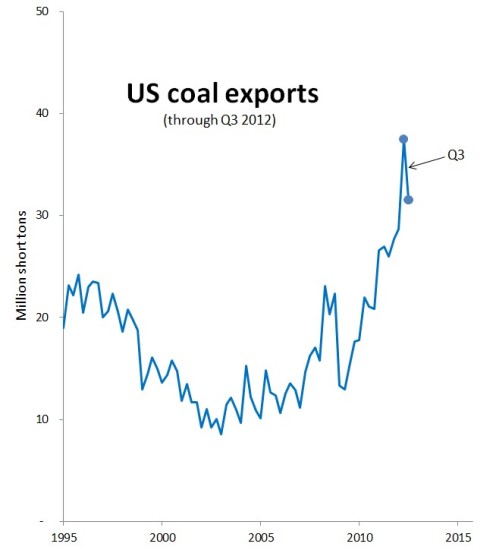
Here’s data from the latest coal report from the US Energy Information Administration, taking us up through the end of September 2012:
Nationally, the big story is that coal exports fell in the third quarter by 15 percent from the historic highs registered during the second quarter. Still, at 31.5 million tons, coal exports remained higher than at any other time in recent history.
Editor’s Note 5/19/16: In celebration of National Bike Month in the United States, Sightline is bringing back this cargo-bike classic. Since this article was published in 2012, cargo bikes have gained popularity and are seen all over Cascadia and beyond. Do you own a cargo bike? We want to know what you tow! Email us a … Read more
Most people don’t know it, but the Northwest is home to the last wild reindeer still living in the Lower 48 states. To be sure, there aren’t many of them—a few dozen at most—but they are here.