
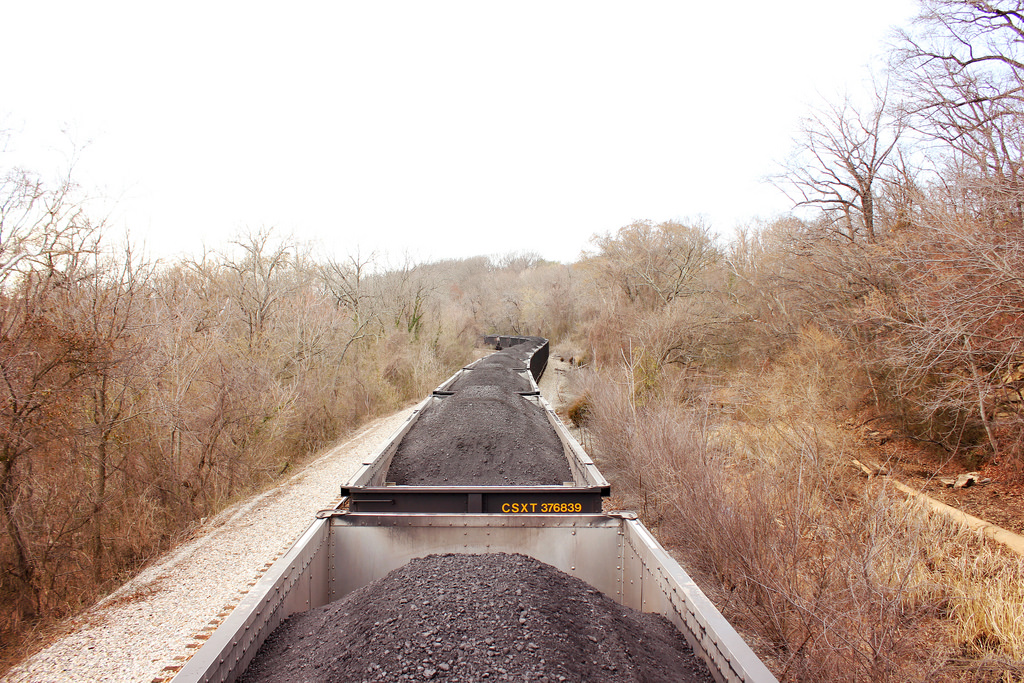



As if Washingtonians needed more reasons to be concerned about coal exports, a new government study suggests that coal exports may be hazardous to local residents’ health.
The study is Cowlitz County’s draft Health Impact Assessment for the proposed Millennium Bulk Terminals project in Longview, Washington. It was produced at the urging of medical professionals and public health advocates, including the Oregon and Washington state chapters of Physicians for Social Responsibility. The analysis had a narrow scope, looking primarily at health effects within the county from diesel locomotives and coal dust, and not at the larger issues around the health effects of mining and burning coal. Yet despite the narrow focus, the analysis still found that the terminal could lead to serious health concerns for Cowlitz County residents, including:
- Cancer: Over time, air pollution from diesel locomotives and coal dust could boost rates of lung cancer in communities near the rail line. (p. 9)
- Air pollution: Air contaminated with diesel exhaust and locomotives can boost hospitalizations from heart and lung disease; cause asthma attacks and pneumonia; harm lung function; trigger childhood asthma; and may boost the risk of stroke, Type 2 diabetes, neurological and cognitive impairment, and pre-term and low birth-weight babies. (p. 9)
- Noise pollution: Noise is associated with higher rates of high blood pressure, heart attack and heart disease. Cowlitz County and neighborhoods most affected by increased noise already experience higher-than-average rates of these diseases, and the increased noise could increase them further. (p. 23)
- Food contamination: Local residents who eat shellfish could face elevated dietary exposure to potentially toxic polycyclic aromatic hydrocarbons. (p. 25) This raises serious concerns for members of Native American tribes who, as the report notes, “have the right to fish and harvest seafood from their usual and [accustomed] locations which may include freshwater shellfish in the Columbia River.”
At the same time, the study found that increased traffic congestion at rail crossings could delay emergency vehicles, including ambulances and fire trucks. The study notes that a single mile-long train could delay traffic by 9 minutes at at-grade crossings—and there would be 16 train trips per day at full operation. (p. 21)
The County invited public comments on its draft Health Impact Assessment. But time is short: the deadline for comments is January 5, 2018. You can submit comments via Cowlitz County’s web page, or use Power Past Coal’s online comment form.


The Millennium Bulk Terminal Project at Longview, will at its highest production level be sending trains loaded with coal 16 times a day (a mile long train) over rails. This filled coal train , as it travels, will spew pollution to citizens living along this route. This pollution can cause cancer, asthma, and other lung diseases to these citizens over time. Due to increase air pollution by CO2 already in our atmosphere this pollution from coal will increase the likelihood of sickness and death to a much greater degree. This places to many in harms way. This Millennium Terminal must be stopped for the good of those who are at risk!
Hello Joy Lyn,
Thank you for your comment, and for your interest in Sightline’s work.