 Stormwater obviously causes problems for the environment and infrastructure, washing away salmon eggs in torrents of runoff and flooding basements. But does it threaten human health as well? You bet it does, and in ways that might surprise you.
Polluted runoff flushes raw sewage across beaches, triggers blooms of toxic algae in our drinking water systems, and contaminates shellfish and seafood we eat with bacteria and dangerous chemicals.
Over the past three years, sewage-tainted runoff has forced the closure of 32 Washington beaches, some for a couple of days, others for weeks. The problem is caused when rainwater mixes with the sewer system—sometimes by design and sometimes thanks to old sewer pipes that let the rain seep in. The cocktail of polluted runoff and raw sewage overwhelms the sewage treatment plant, forcing the combined sewer overflow (or CSO) to dump the waste into a nearby river, lake, or bay.
And what’s in that lovely concoction? Researchers find everything from salmonella bacteria to the parasite giardia, to Norwalk-like viruses. Ailments resulting from exposure to sewage-tinged water include:
diarrhea, vomiting, stomach cramps, fever, hepatitis, bronchitis, pneumonia, and swimmers itch.
People get sick by swallowing the water either when recreating in or when their drinking water becomes contaminated. You can get sick simply by inhaling small droplets, or through contact with skin, eyes, ears, and cuts. Children, pregnant women, the elderly, and any immuno-compromised people are most at risk. (This 2004 EPA report to the Congress gives a great overview of CSO health impacts.)
Grossed out yet? Let’s delve deeper.
Read more



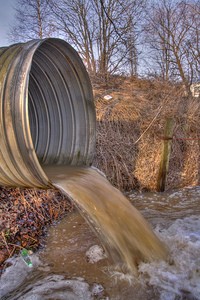 The culprit in each of these stories is the most mundane of villains: the rain. As rainwater streams off roofs and over roadways and landscaped yards, it mixes a massive toxic cocktail. It scoops up oil, grease, antifreeze, and heavy metals from cars; pesticides that poison aquatic insects and fish; fertilizers that stoke algal blooms; and bacteria from pet and farm-animal waste. A heavy rainfall delivers this potent shot of pollutants straight into streams, lakes, and bays—threatening everything from tiny herring to the region’s beloved orcas to our families’ health.
 I have always been eager to understand the natural and human capital of the Pacific Northwest, the attributes of people and place that shape the possibilities of our home. I tend to frame sustainability in these bioregional terms.