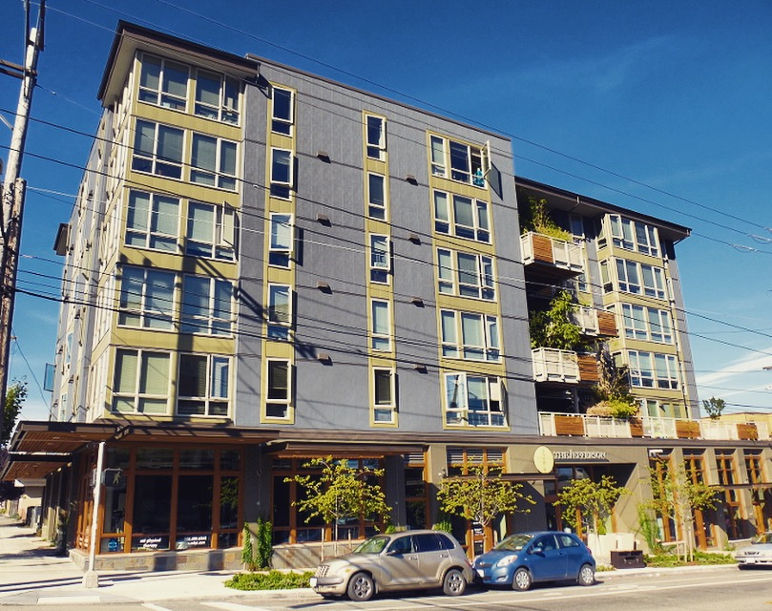
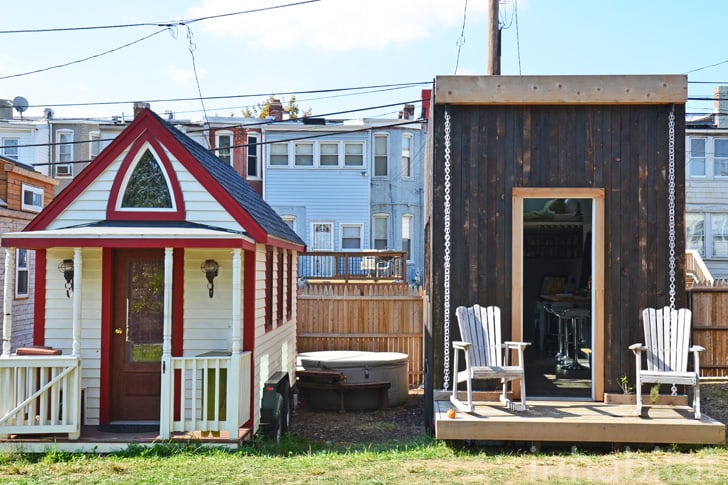


Yesterday, to my dismay, the Seattle city council tightened rules on micro-apartments, the neo-rooming houses I lauded last year in Unlocking Home. The council, facing its first ever round of district-by-district elections next year, appears spooked by the complaints of some noisy (but not necessarily numerous) neighbors who have exclusionary attitudes. It imposed new restrictions including a requirement for two sinks in each unit (because… um… why?), design review for some micro-apartment buildings (just like the city requires for single-family houses of a similar size—oh, it doesn’t? Ok, well, because… reasons), and nearly doubled minimum floor area in some micros (because obviously the old minimum, which was about the size of a dorm room at Harvard or Stanford and was substantially more indoor space than most people now or ever before in the world have had to themselves, was a grave threat to health and livability -snark-). The new rules are perfect illustrations of the kind of banal-sounding land-use standards that have over decades pinched off much of the historic bottom end of the private housing market in the Northwest.
The rules will likely prevent construction of hundreds of inexpensive living spaces in Seattle’s most walkable neighborhoods over the next decade. It could even halt hundreds a year. I don’t have a full tally of all the subsidized affordable housing units built annually in the city, but I suspect it’s on the same order of magnitude. (Readers: can someone tell us?) The new rules are unlikely to completely squelch neo-rooming houses, but any reduction is too big a reduction. Cascadia’s largest city ought to be building housing of all types to accommodate the waves of newcomers who are already moving Northwest-ward (and possibly to prepare for the expected onslaught of climate migrants).
The entire exercise in clamping down on micro-housing was a discouraging display of pandering to the NIMBY forces that so often dominate local planning. It gets frustrating. As I wrote a year ago in the Seattle Times,
SEATTLE should stop lying to itself about affordable housing. For all our high-minded rhetoric about creating an affordable city, and for all our housing levies, the grim reality of city rules suggests that we actually want to stamp out affordable housing, not build it.