If You Lived Here, You’d Be Home by Now: How Neighborhoods Can Kick Car Habits

Adding small homes helps neighborhoods subtract driving.

How updating a few musty housing laws can promote the smart, affordable housing options we need across fast-growing Northwest towns and cities.
[long]

Affordable housing is lacking across the Northwest, with housing policy here effectively excluding from the market many lower-cost options for low-income families and individuals. A raft of outdated laws bans the types of residential arrangements that once housed most of the North American working class and prohibits modest home options near jobs, transit, schools, and neighborhood centers—from mother-in-law apartments and triplexes to rooms that were safe, comfortable, and convenient but small and basic.
As a result, families may scrimp on food or heat to be sure they can pay rent each month; they may opt for black-market housing; or they may even go homeless. Everyone deserves a clean, safe place to live; but beyond safety regulations, the floor plans mandated by current housing rules aren’t affordable for everyone. In this series, Sightline researchers explore the key laws that prevent smart, affordable housing arrangements of the past from getting to market today, and look to a Northwest revival of inexpensive housing options.
Adding small homes helps neighborhoods subtract driving.
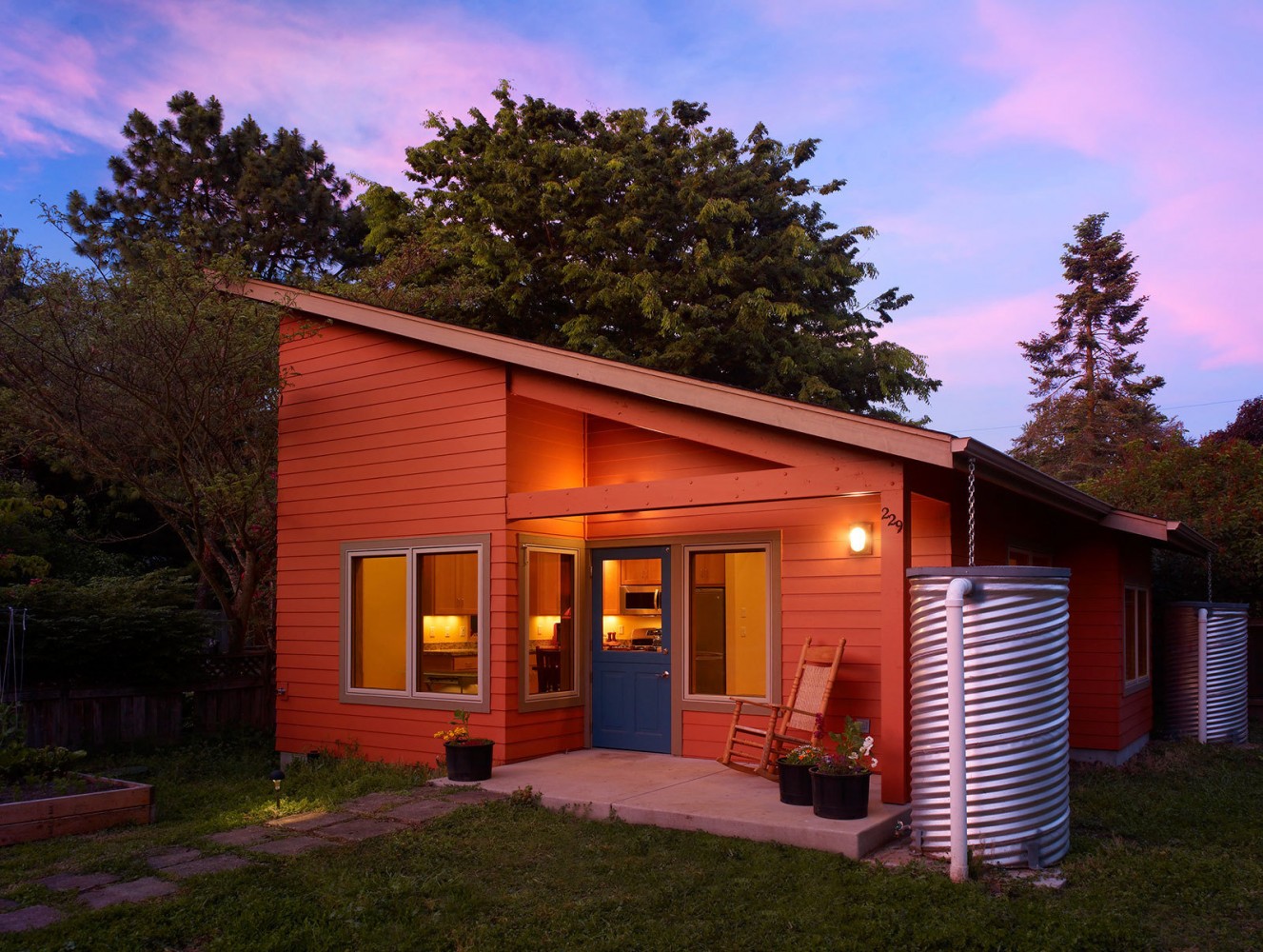
Accessory dwelling units (ADUs) are a tool in the fight against climate change. Garden suites, mother-in-law apartments, and backyard cottages—the compact size of these unassuming homes makes them remarkably energy efficient, cutting lifetime CO2 emissions by as much as 40 percent as compared with medium sized single-family homes. Yet many of Cascadia’s cities maintain policies … Read more
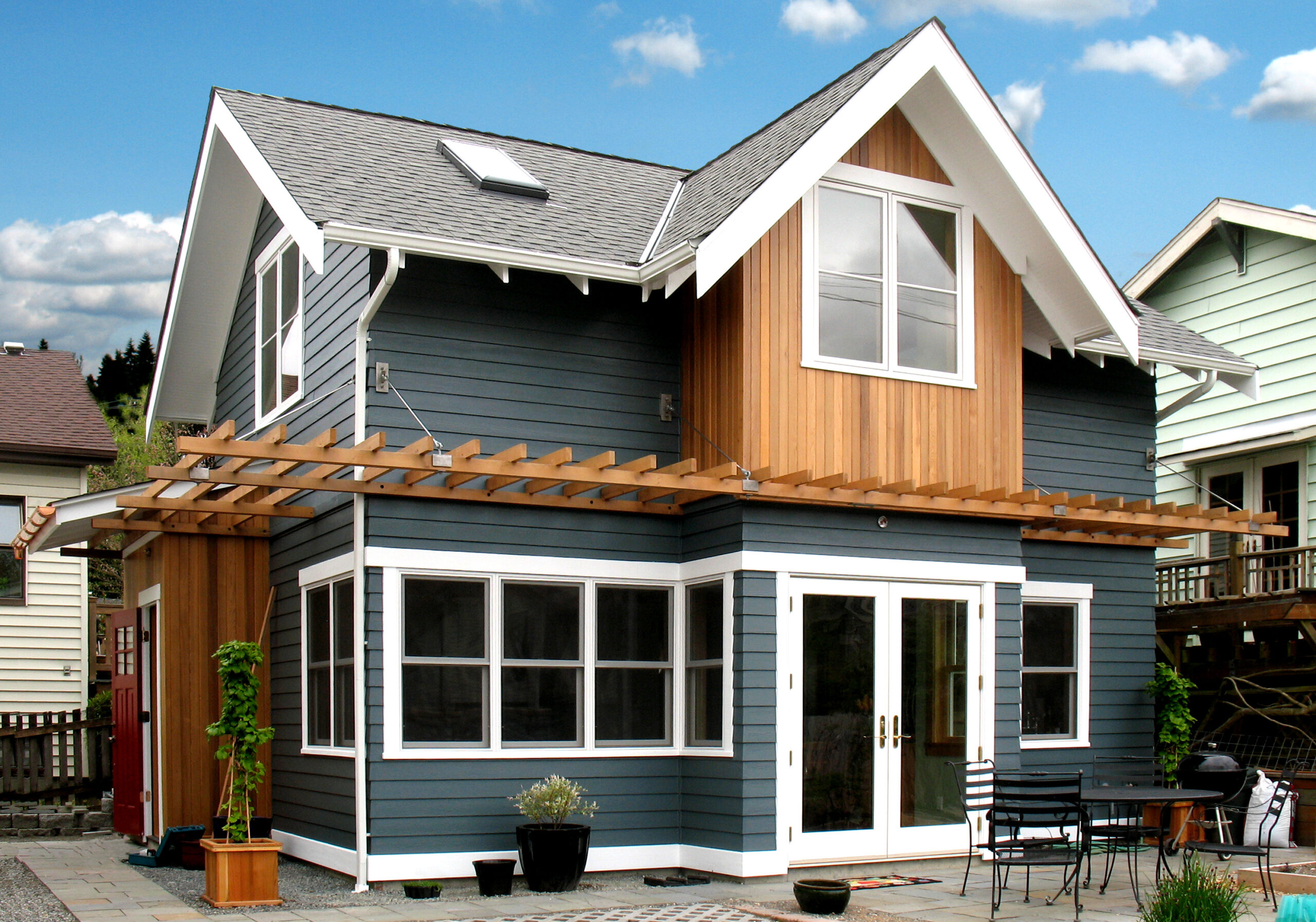
May has been a big month for small housing in Cascadia. Two cities—Bellingham and Portland—reaffirmed the region’s growing welcome to accessory dwelling units (ADUs), small homes that sit on the same lot as a larger single-family home, commonly referred to as mother-in-law apartments, garden flats, basement suites, and the like. Bellingham’s city council voted on … Read more

Our popular video explainer, now as a handy, printable graphic.

Recently, Sightline senior research associate Margaret Morales joined KEXP’s Diane Horn to discuss her research into how Seattle’s zoning patterns exacerbate structural segregation in the city’s schools. Top findings from Margaret’s research include: Single-family zoning restricts fully 72 percent of the land in the attendance areas around Seattle’s 13 top-rated, non-option, public elementary schools. Home … Read more
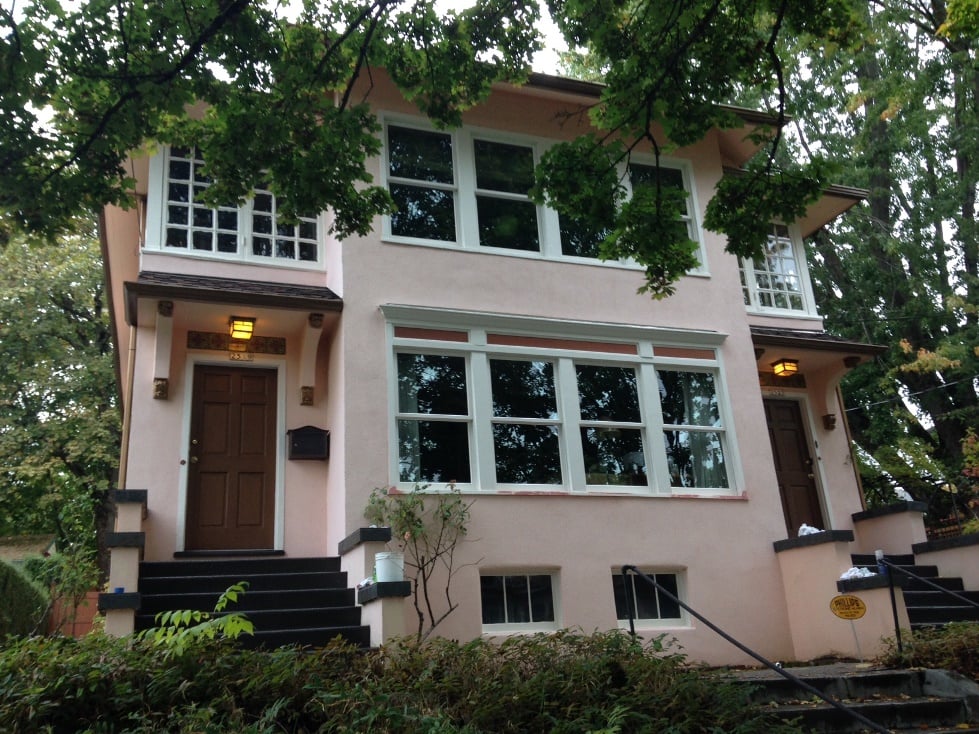
Editor’s note: This article combines and adapts three articles by the Portland for Everyone coalition’s Michael Andersen. See the originals on this blog, and learn more about the group here. Portland’s approach shares similarities with the Seattle Housing Affordability and Livability Agenda recommendation to allow small duplexes and triplexes in single-family zones without letting property … Read more
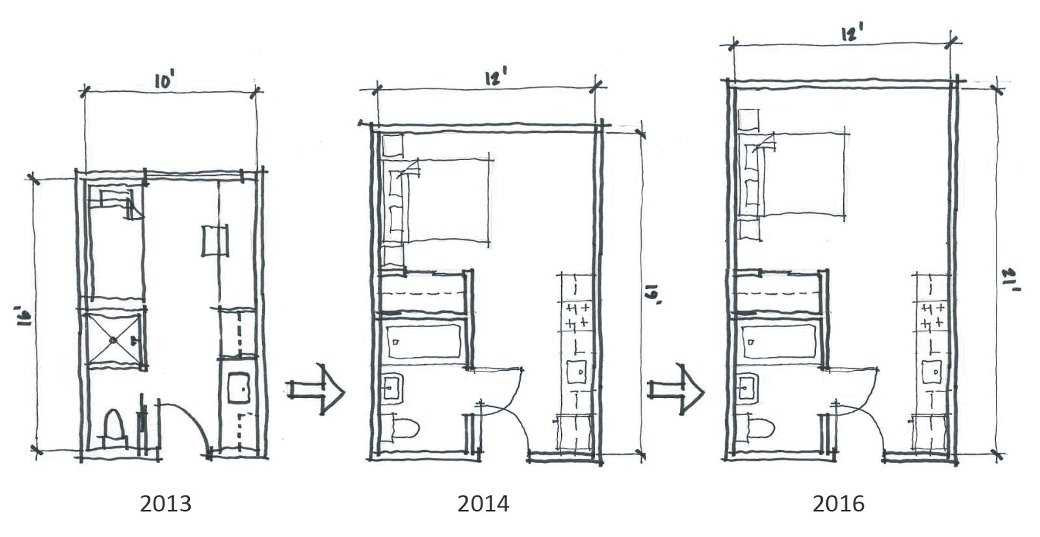
Micro-housing—dorm-room-sized apartments in desirable, walkable neighborhoods—isn’t for everyone, but it most definitely is for Anna Rogers. Anna is a recent college graduate who grew up in the suburbs of Seattle and now works a retail job while looking to start a career that harnesses her passion for politics. Thanks to a building called OneOne6 on … Read more
Seattle’s data-blind rush to regulate Airbnb is a recipe for unintended consequences.
The Mandatory Housing Affordability program, explained.
