Seattle’s Latest Housing Reform Shows How Environmentalists Are Rethinking Cities
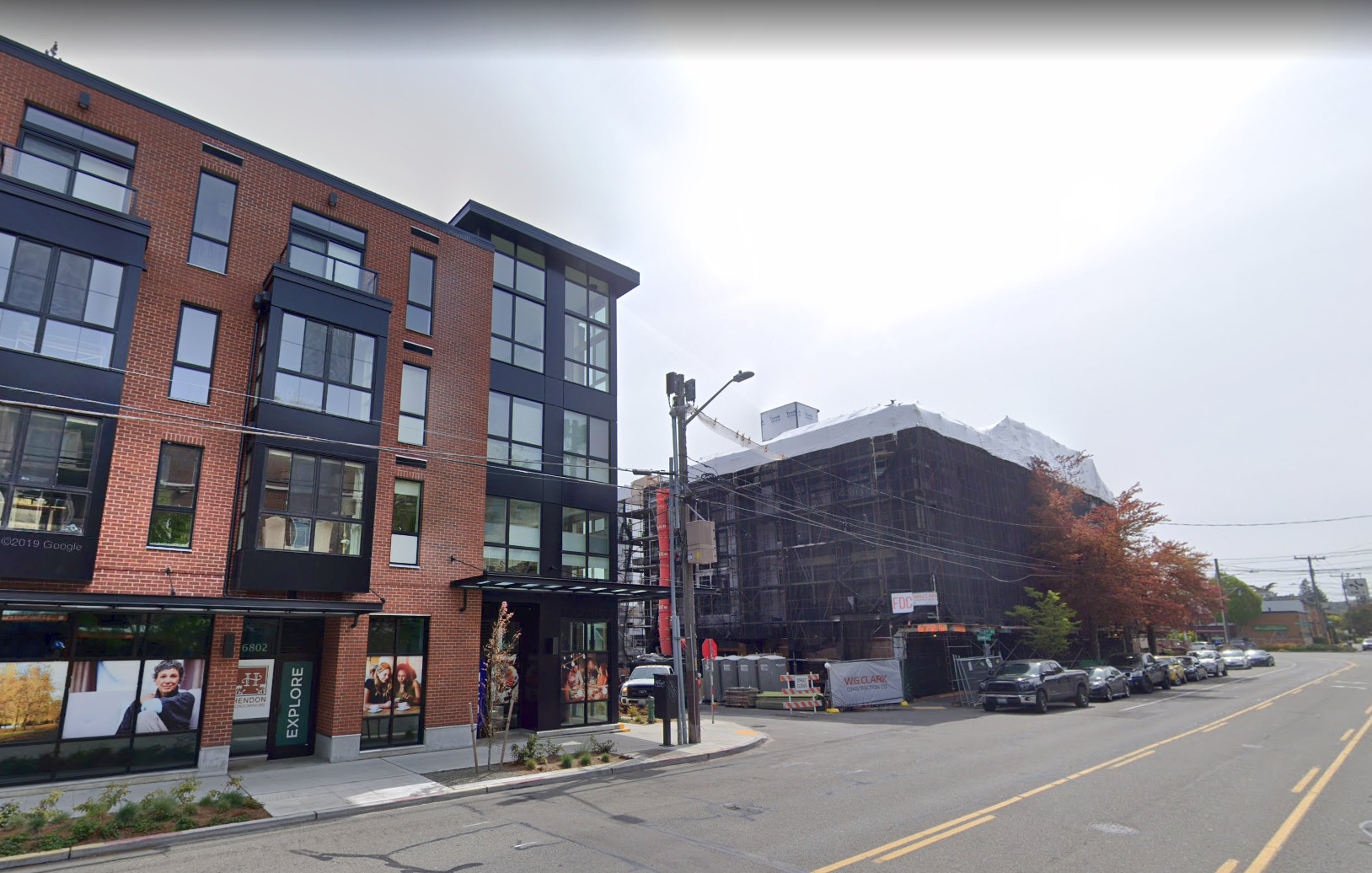
A unanimous city council vote and broad environmentalist support reflect a consensus that compact communities are a crucial climate solution.

How updating a few musty housing laws can promote the smart, affordable housing options we need across fast-growing Northwest towns and cities.
[long]

Affordable housing is lacking across the Northwest, with housing policy here effectively excluding from the market many lower-cost options for low-income families and individuals. A raft of outdated laws bans the types of residential arrangements that once housed most of the North American working class and prohibits modest home options near jobs, transit, schools, and neighborhood centers—from mother-in-law apartments and triplexes to rooms that were safe, comfortable, and convenient but small and basic.
As a result, families may scrimp on food or heat to be sure they can pay rent each month; they may opt for black-market housing; or they may even go homeless. Everyone deserves a clean, safe place to live; but beyond safety regulations, the floor plans mandated by current housing rules aren’t affordable for everyone. In this series, Sightline researchers explore the key laws that prevent smart, affordable housing arrangements of the past from getting to market today, and look to a Northwest revival of inexpensive housing options.
A unanimous city council vote and broad environmentalist support reflect a consensus that compact communities are a crucial climate solution.

Abundant housing would make capitalism better; abundant housing would make socialism better.
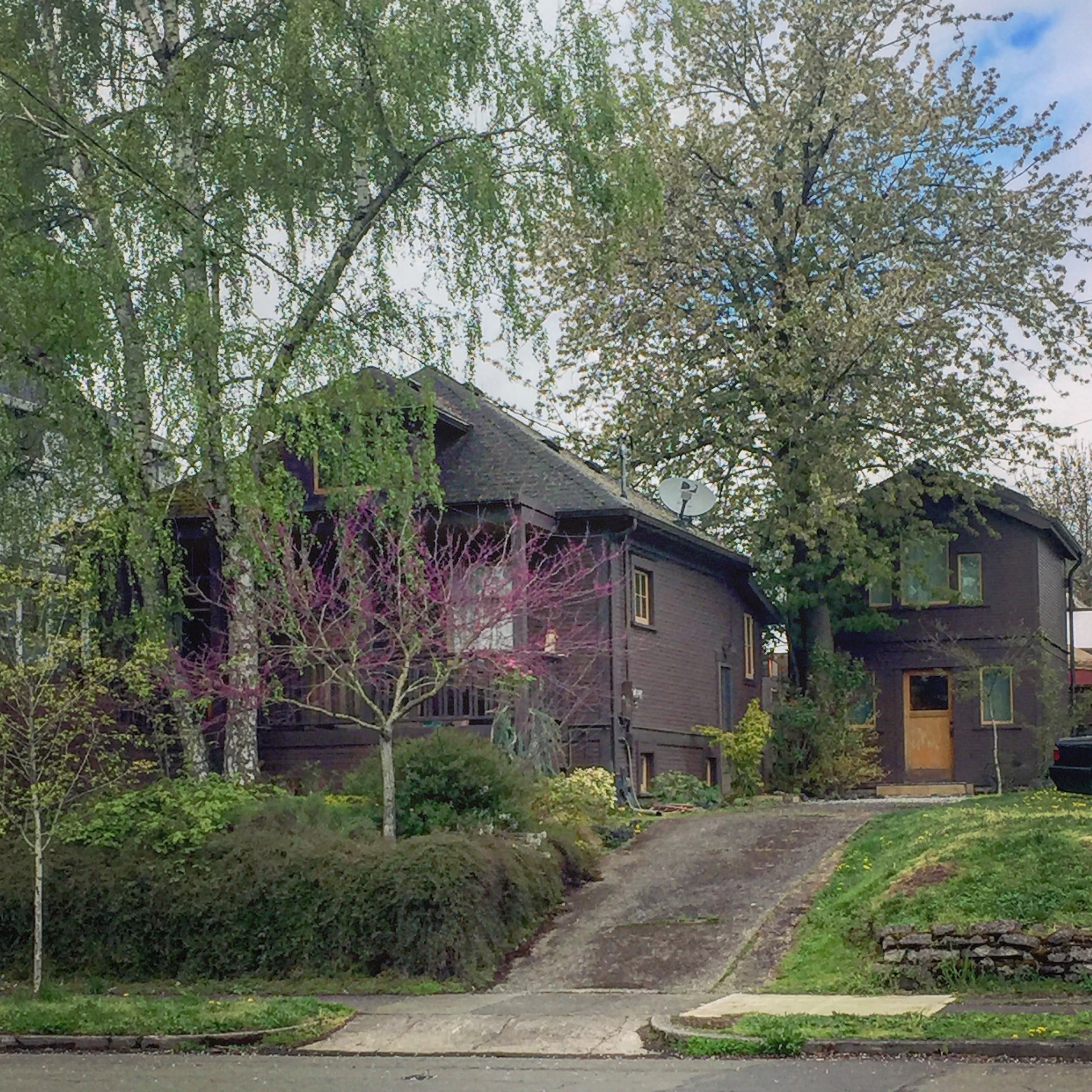
Seattle City Council took a big step Monday toward creating a more sustainable city, voting unanimously to enact legislation that will make it easier for homeowners to build in-law suites, garage apartments, and backyard cottages—modest homes the wonks call accessory dwelling units (ADUs). The vote caps an epic process during which obstructionists abused state environmental … Read more
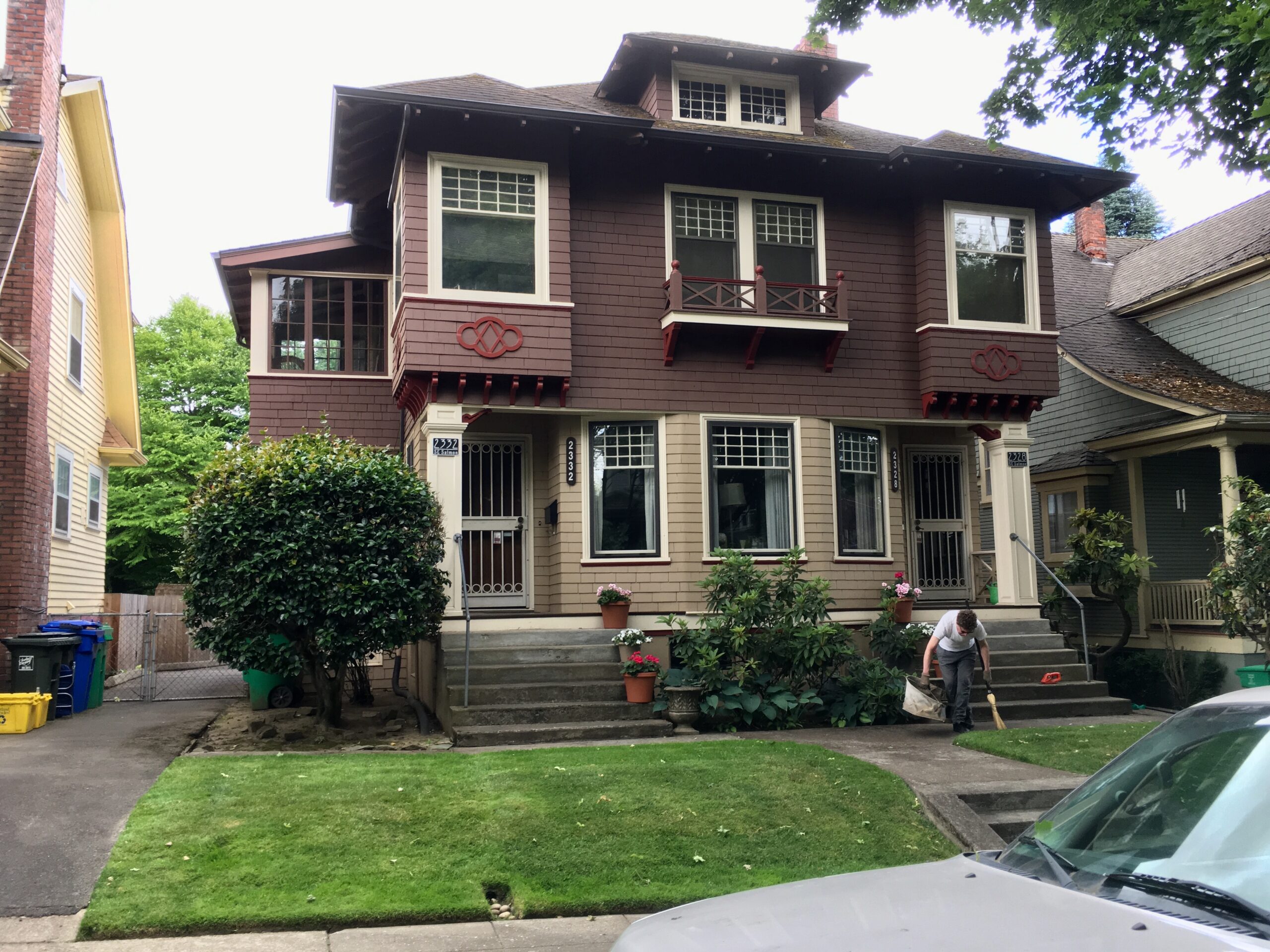
The bill, which would also legalize fourplexes and cottage clusters in larger cities, cleared both House and Senate with wide, bipartisan majorities.
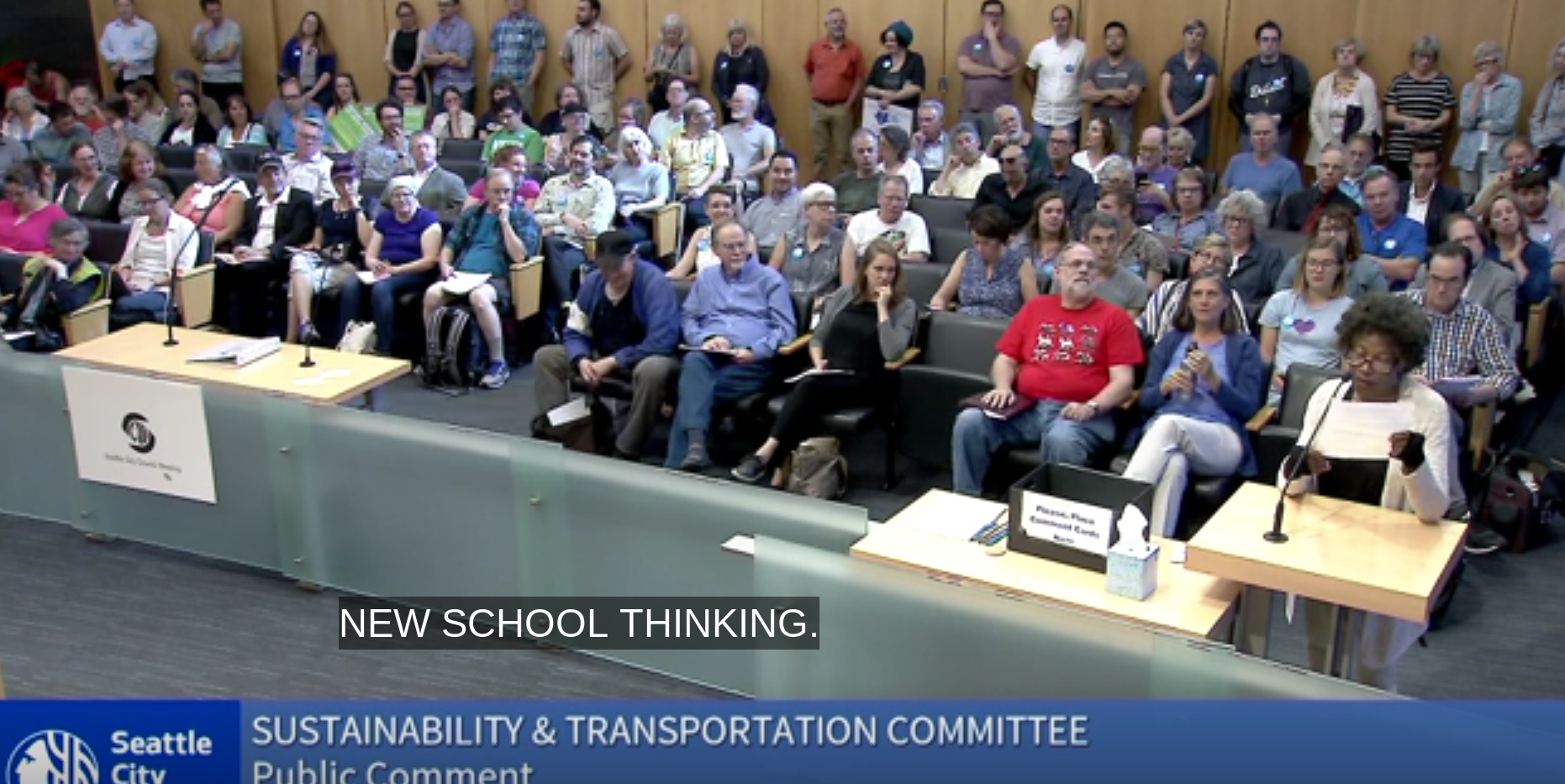
More than 75% of speakers at this month’s hearings backed broad legalization of two ADUs per lot.

‘Middle housing’ means gradual evolution, not overnight transformation. Just walk down my street.
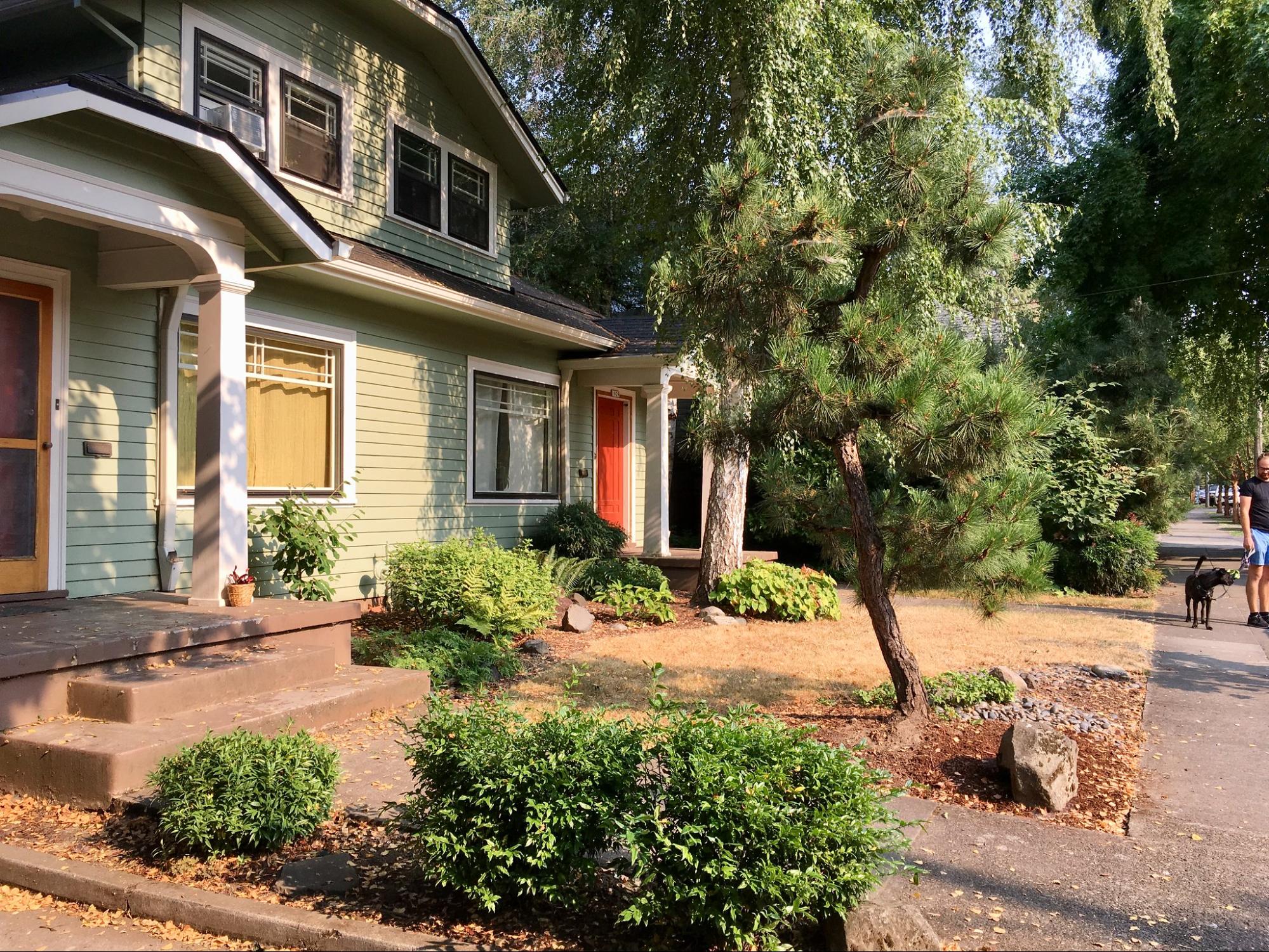
To understand why housing policy is climate policy, consider two city blocks with 18 homes each. On one of those blocks, suppose something happens that’s currently legal almost everywhere: Three relatively old, disintegrating homes are torn down and replaced by three 3,400-square-foot homes. Let’s call this the McMansion Block. But on the other block, suppose … Read more

How upzoning for homes of all shapes and sizes takes them down.
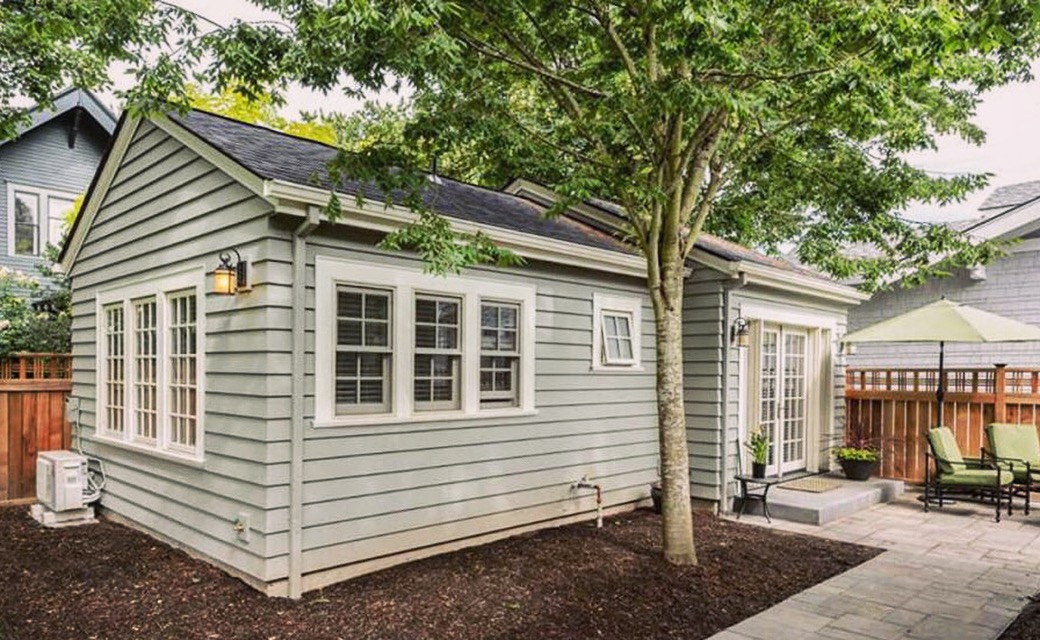
And the one last tweak that would take it from great to stellar.
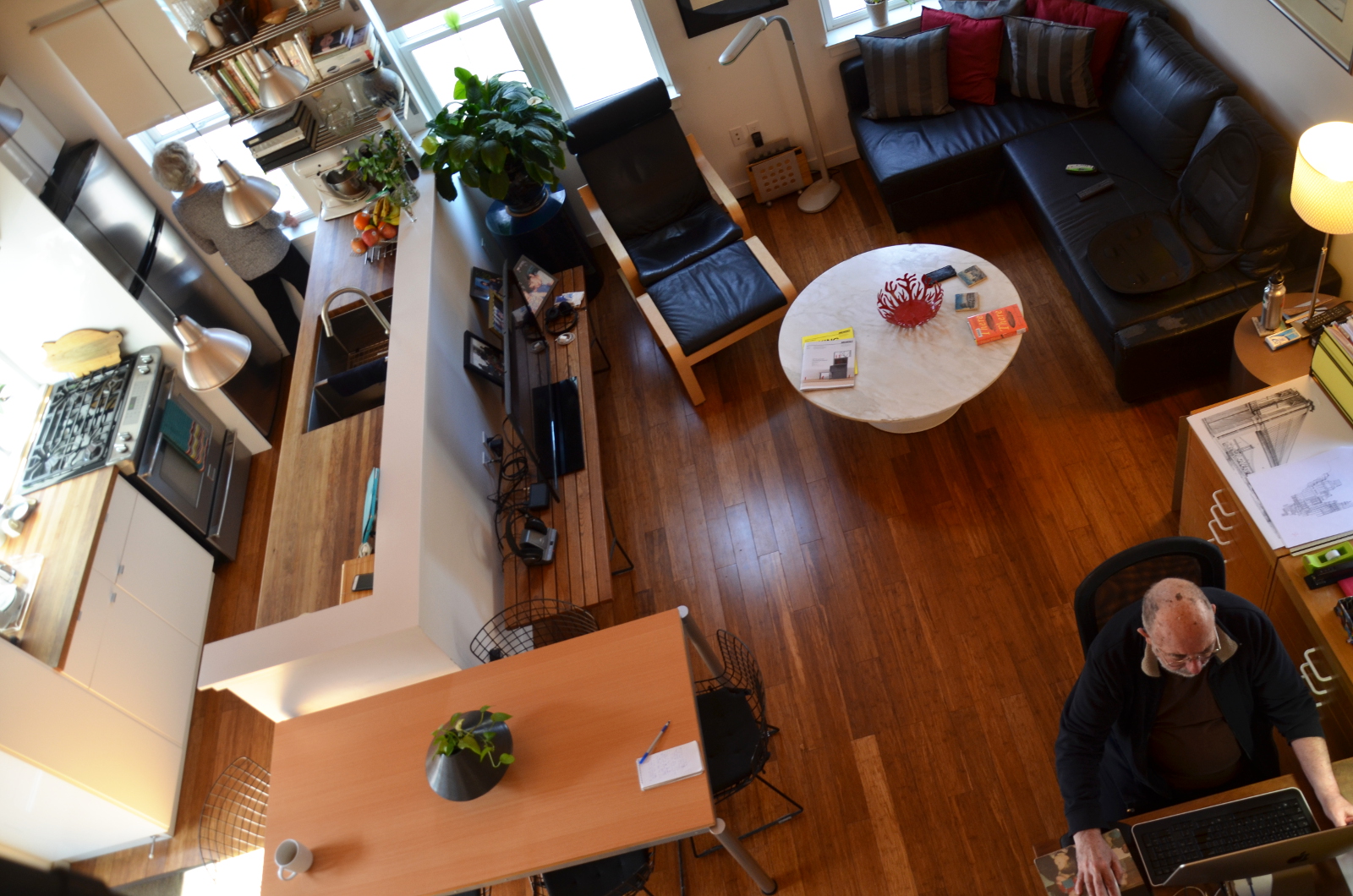
Thanks in part to a little-known federal law, legalizing fourplexes could boost accessible housing at the moment we’ll need it more than ever.