Straight Talk, Many Angles: Ten Portlanders for Fourplexes

‘Our city is richer when we welcome the working class into our vibrant neighborhoods.’

How updating a few musty housing laws can promote the smart, affordable housing options we need across fast-growing Northwest towns and cities.
[long]

Affordable housing is lacking across the Northwest, with housing policy here effectively excluding from the market many lower-cost options for low-income families and individuals. A raft of outdated laws bans the types of residential arrangements that once housed most of the North American working class and prohibits modest home options near jobs, transit, schools, and neighborhood centers—from mother-in-law apartments and triplexes to rooms that were safe, comfortable, and convenient but small and basic.
As a result, families may scrimp on food or heat to be sure they can pay rent each month; they may opt for black-market housing; or they may even go homeless. Everyone deserves a clean, safe place to live; but beyond safety regulations, the floor plans mandated by current housing rules aren’t affordable for everyone. In this series, Sightline researchers explore the key laws that prevent smart, affordable housing arrangements of the past from getting to market today, and look to a Northwest revival of inexpensive housing options.
‘Our city is richer when we welcome the working class into our vibrant neighborhoods.’
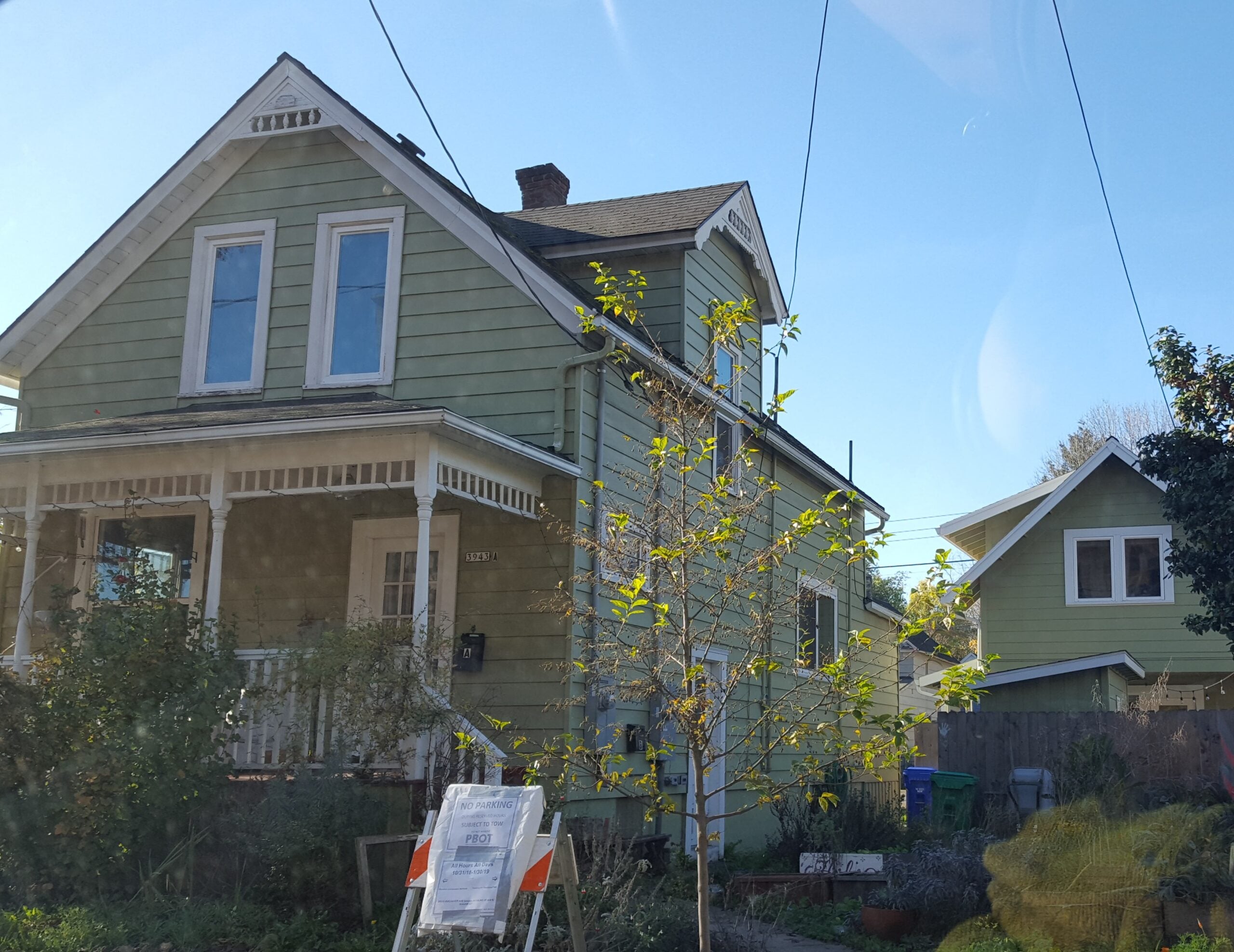
Mother-in-Laws do matter! But we’re not talking about our spouses’ moms. (Hi, Linda!) We’re talking about apartments over garages, daylight basement suites, and backyard cottages. This kind of home can be a great living solution for renters and owners alike—with benefits for the whole community too. READ MORE: ADU Parking Quotas Are Climate Killers A key … Read more
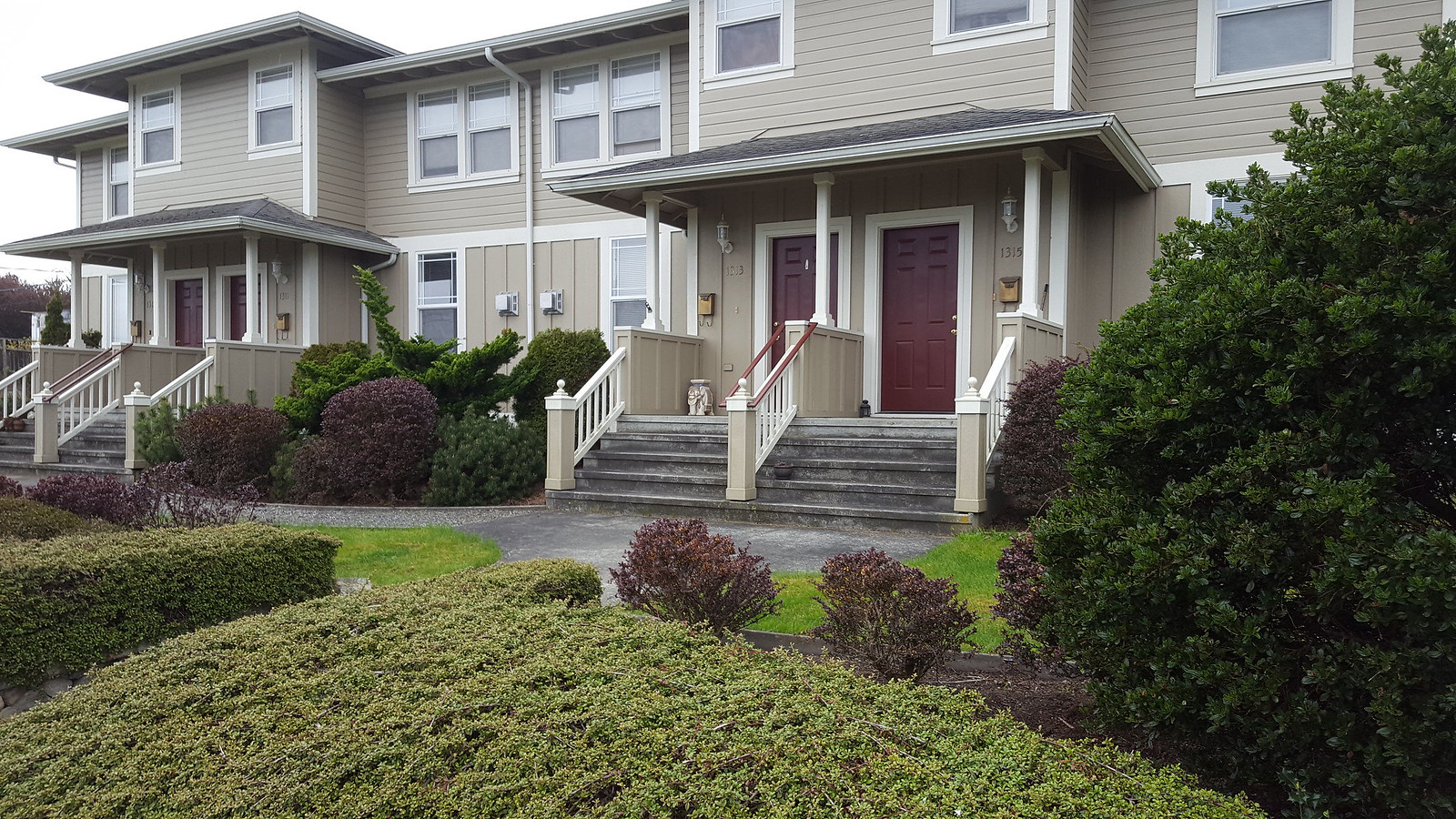
Through five years of deliberation, Portland’s residential infill project has remained a simple concept: an anti-McMansion compromise that simultaneously lowers the maximum size of new buildings in low-density areas and allows buildings to contain more homes. As the proposal finally arrives at Portland’s city council today for the first of two high-stakes public hearings, it’s … Read more
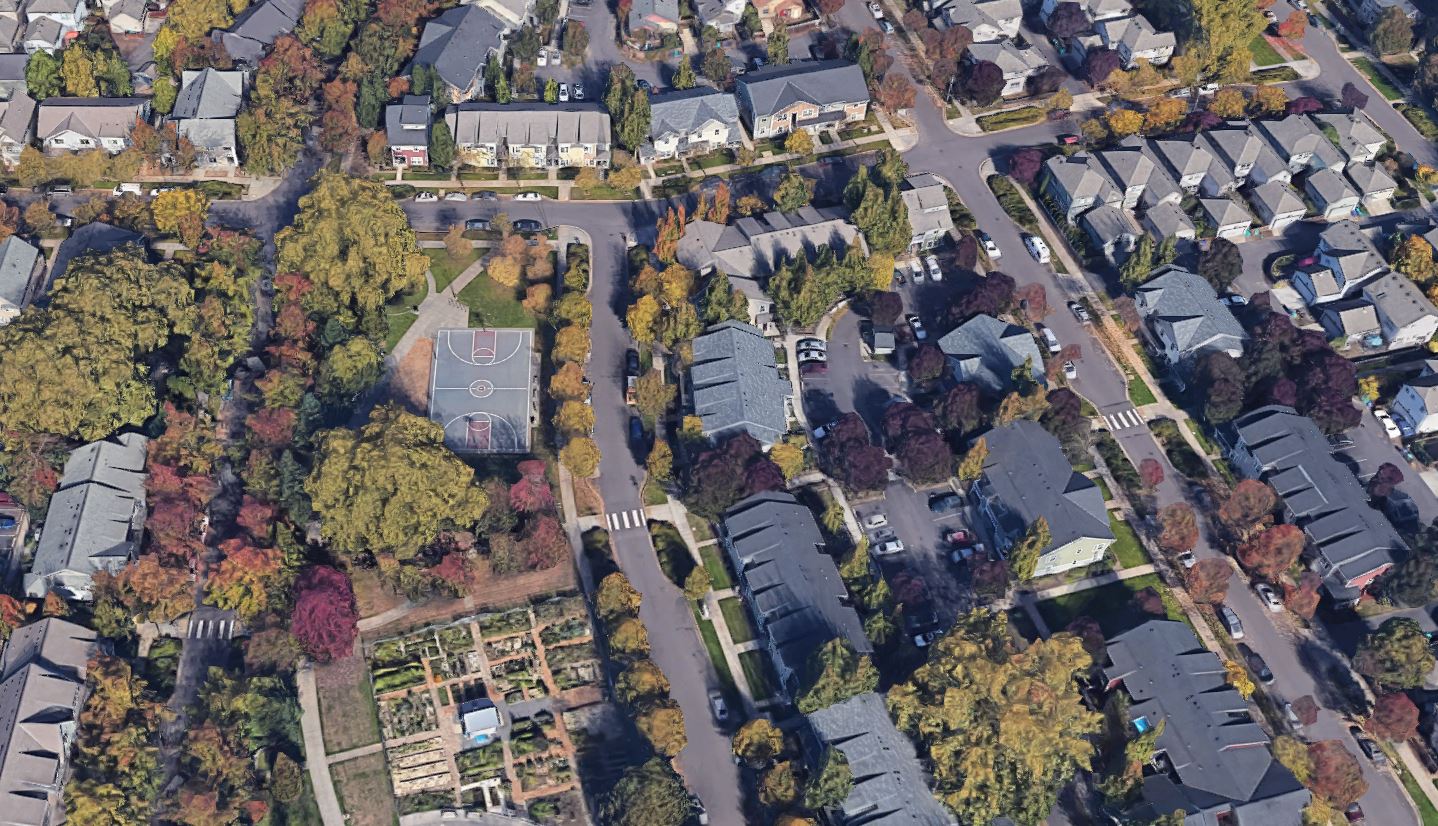
Giving nonprofits the right to build up to eight below-market homes per lot would be like cutting a check for $150,000 per unit. But it wouldn’t cost the public a dime.
This year’s housing successes bode well for long-term affordability progress in 2020 and beyond.

Hacienda’s pilot program aims to tackle housing stability and the wealth gap at once, at half the per-unit subsidy of big affordable housing projects. It’s hoping for public funding.
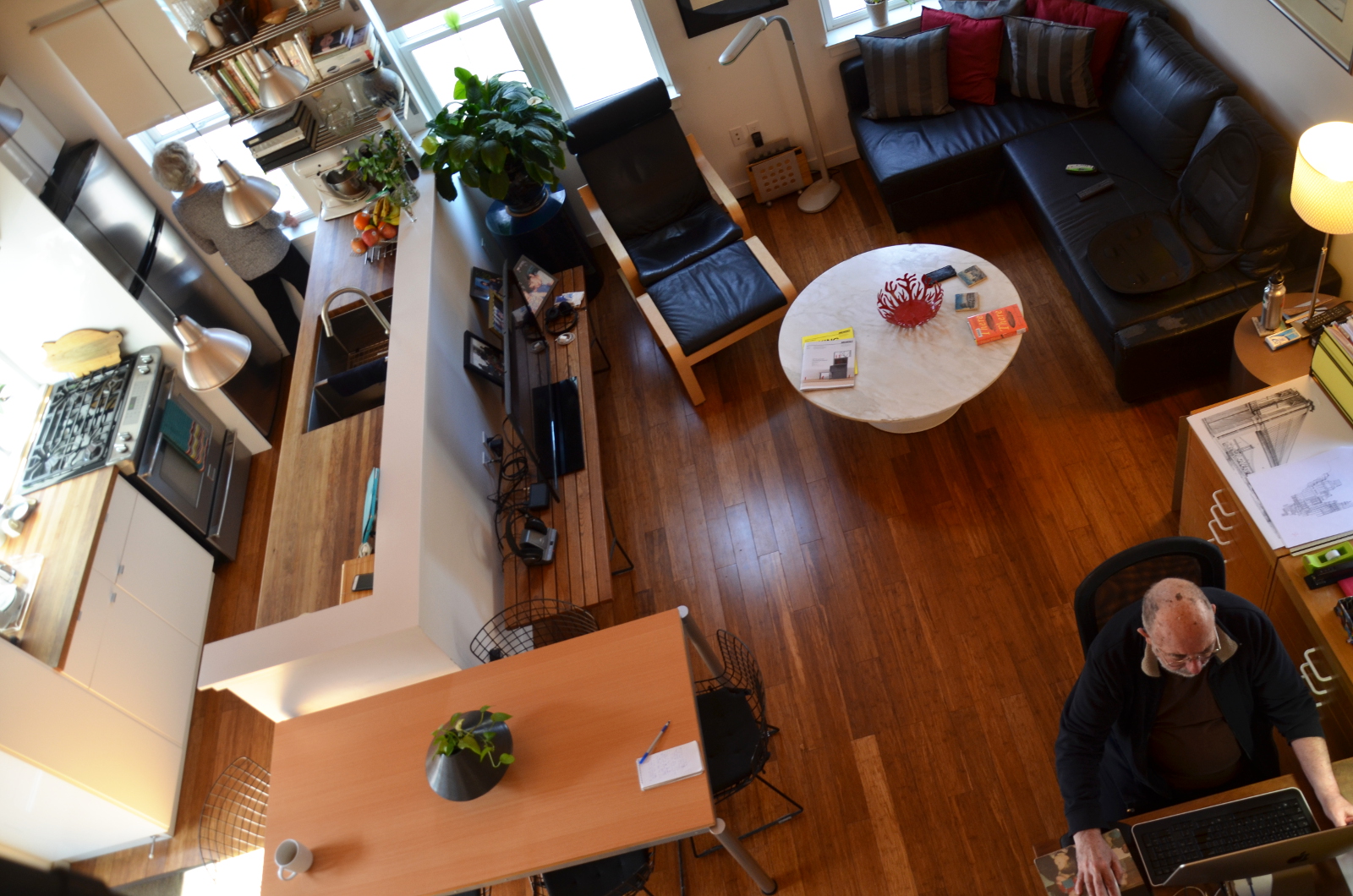
Longer, healthier lives mean more 1-2 person households. Our housing market is straining to respond, and we should let it.
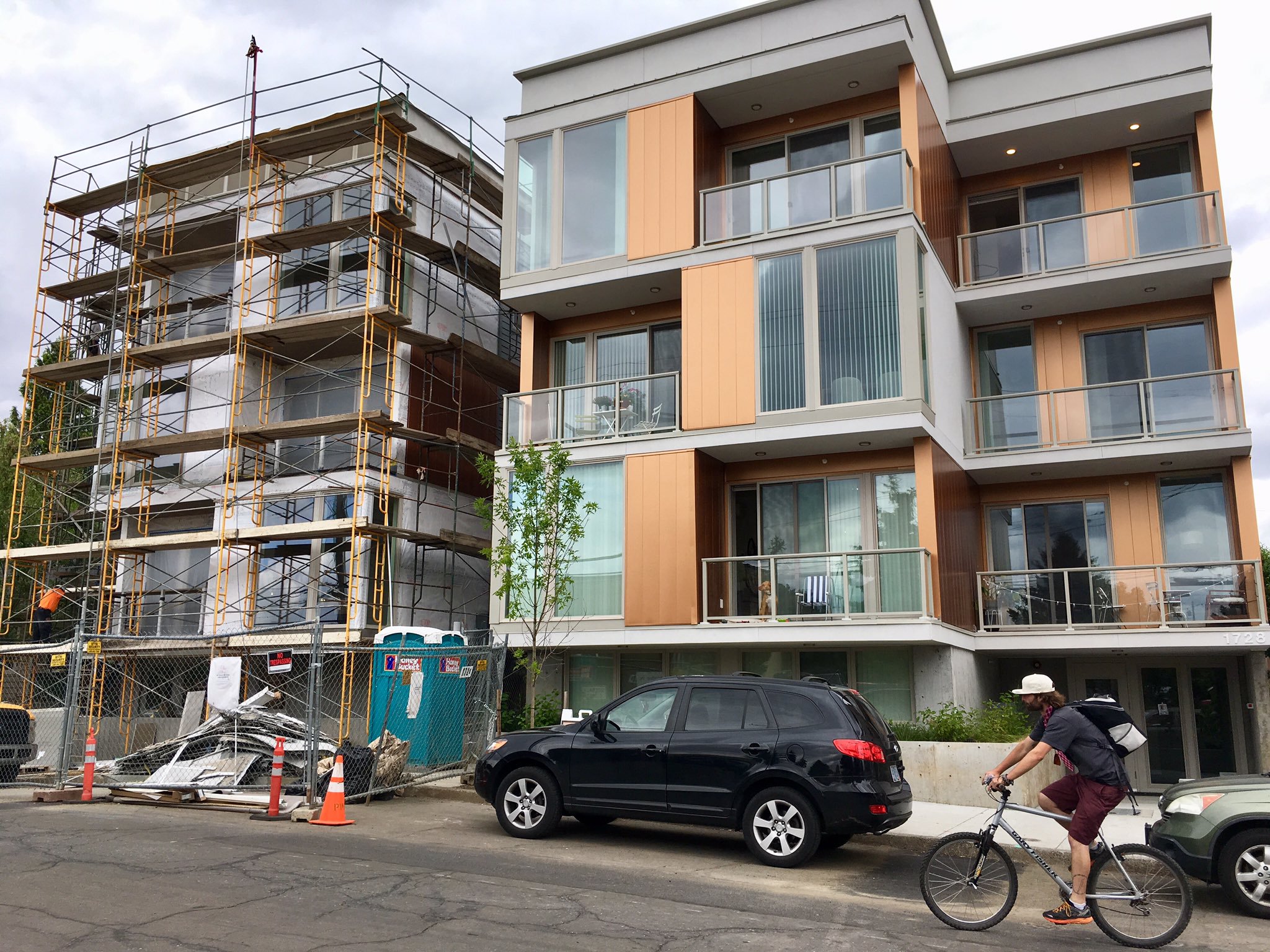
With six annotated takeaways for local housing policy.

The search for housing justice shouldn’t ignore the empty luxury spaces we subsidize most.
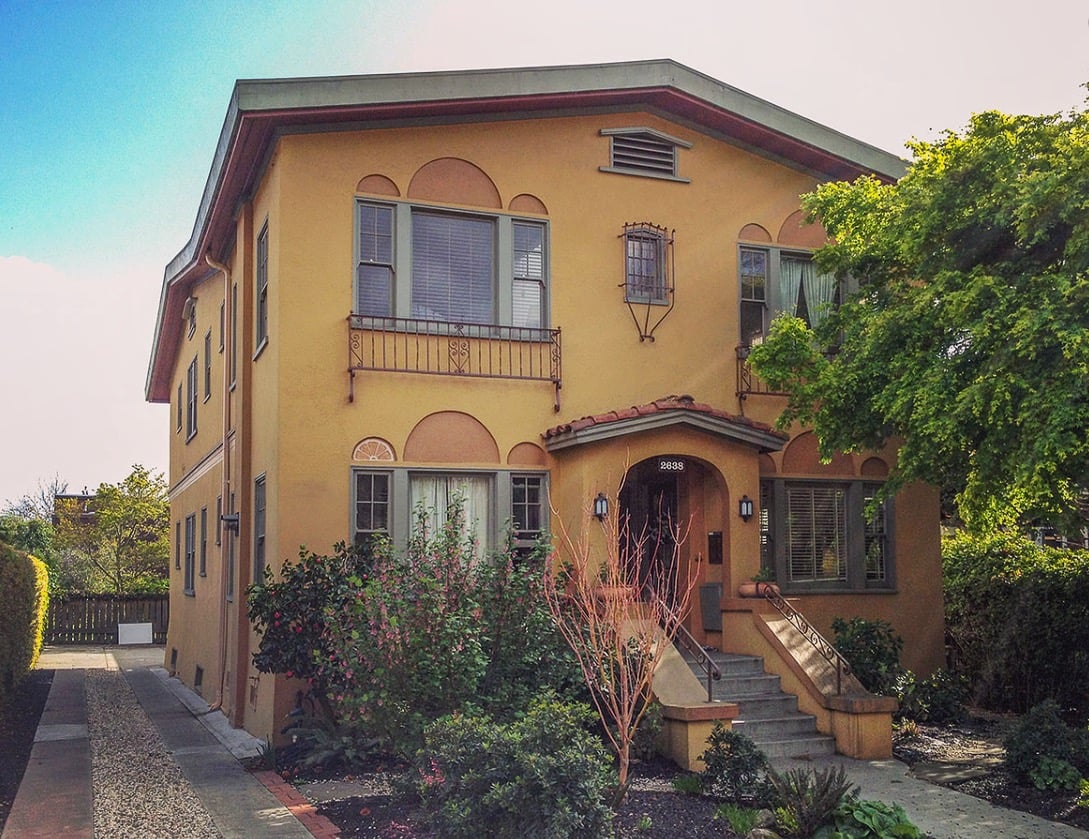
The city’s new rules to spur missing-middle housing are a good first step, but still retain too many restrictions.