Could State-Led Upzones Happen Here? 7 Lessons from Modern Cascadia
The surprising fact is that they already have, but not in the ways today’s would-be reformers might expect.

How updating a few musty housing laws can promote the smart, affordable housing options we need across fast-growing Northwest towns and cities.
[long]

Affordable housing is lacking across the Northwest, with housing policy here effectively excluding from the market many lower-cost options for low-income families and individuals. A raft of outdated laws bans the types of residential arrangements that once housed most of the North American working class and prohibits modest home options near jobs, transit, schools, and neighborhood centers—from mother-in-law apartments and triplexes to rooms that were safe, comfortable, and convenient but small and basic.
As a result, families may scrimp on food or heat to be sure they can pay rent each month; they may opt for black-market housing; or they may even go homeless. Everyone deserves a clean, safe place to live; but beyond safety regulations, the floor plans mandated by current housing rules aren’t affordable for everyone. In this series, Sightline researchers explore the key laws that prevent smart, affordable housing arrangements of the past from getting to market today, and look to a Northwest revival of inexpensive housing options.
The surprising fact is that they already have, but not in the ways today’s would-be reformers might expect.
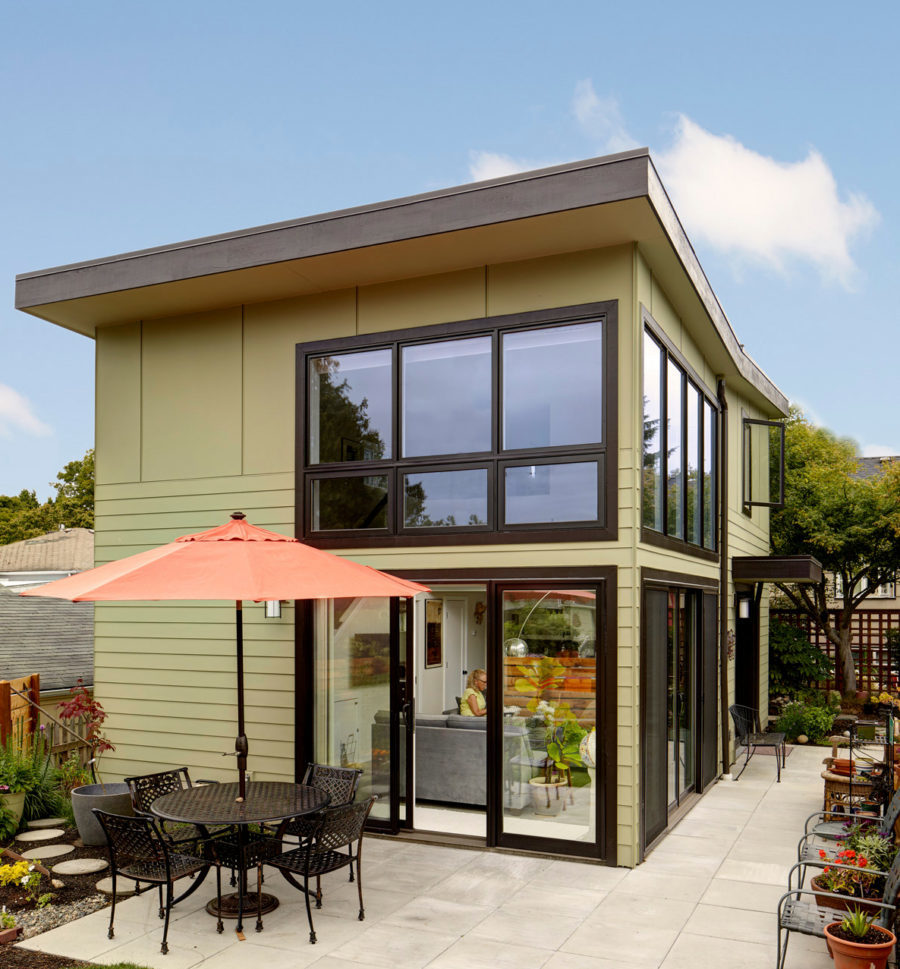
This is part two in a three article mini-series exploring how accessory dwelling units could help fill the affordable housing gap. You can read part one here. Part of the solution to housing affordability in booming Cascadian cities could be hidden in plain sight. Could backyard cottages—the darlings of real estate magazines that are mostly … Read more

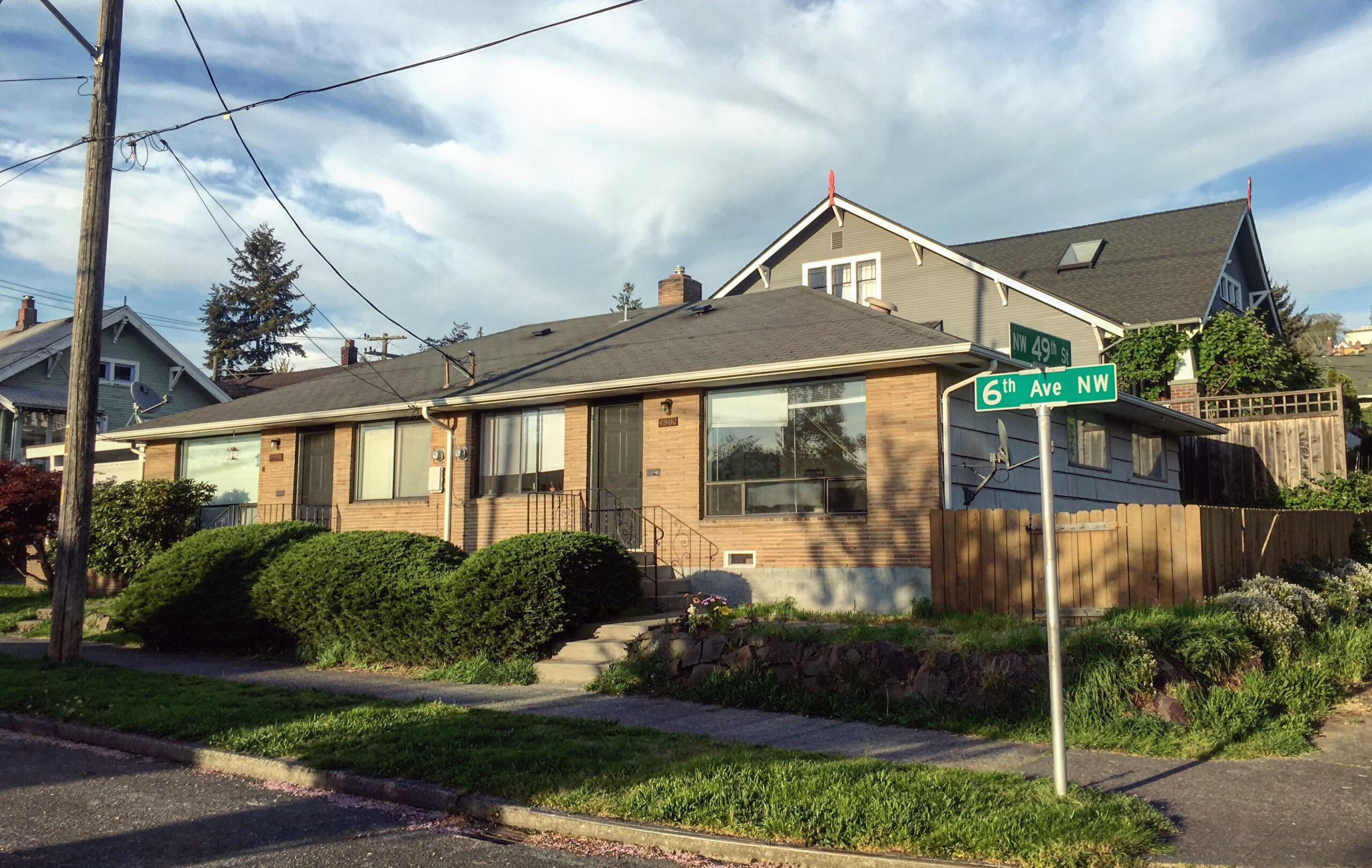
Apartments are banned from half the land around stations on Portland’s next rail line. If that won’t change, the line shouldn’t be built.
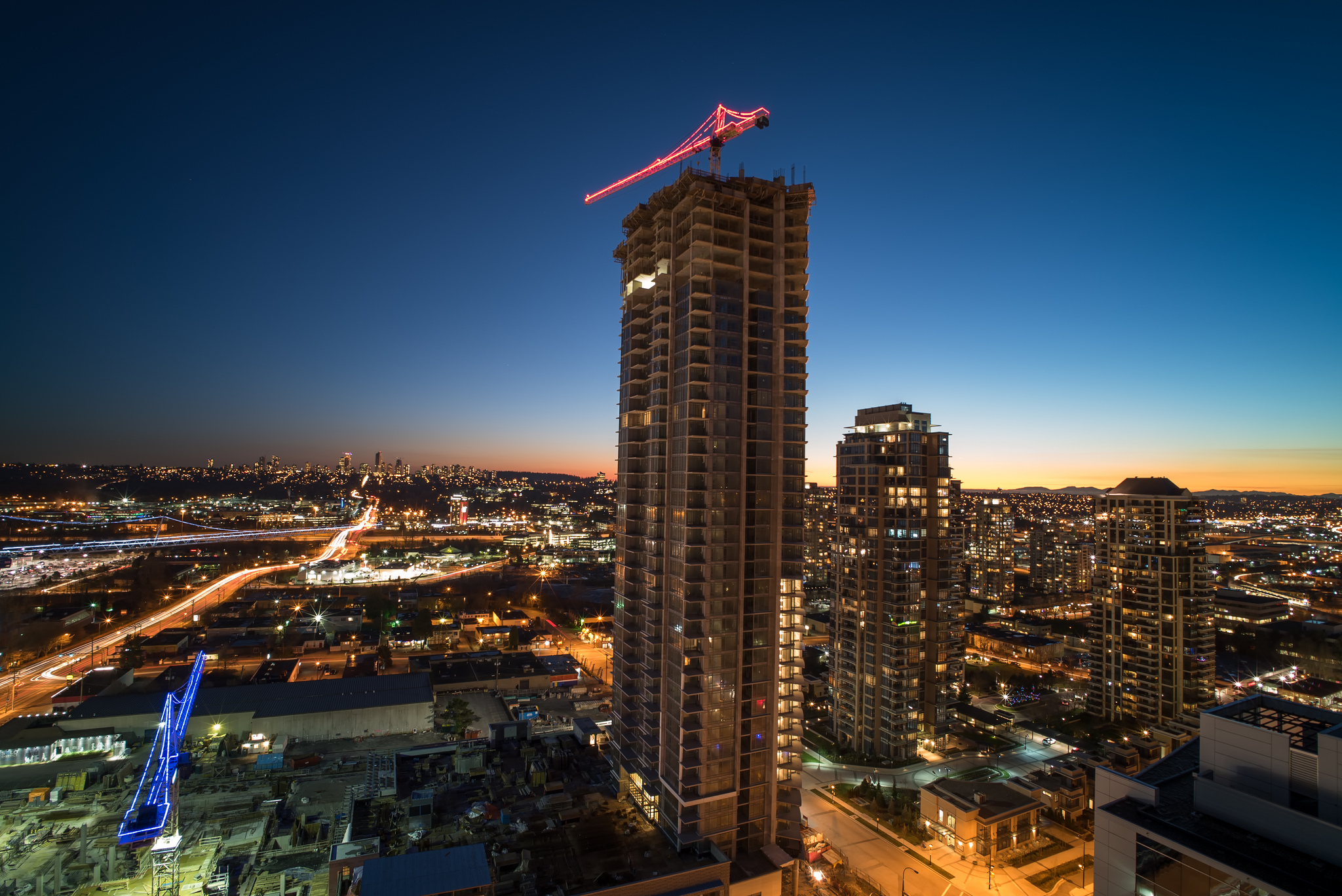
Canada’s west-coast metropolis swiftly and decisively ends single-family zoning; will others follow?

They got a key city board to recommend re-legalizing small duplexes, triplexes and affordability incentives on almost any lot.
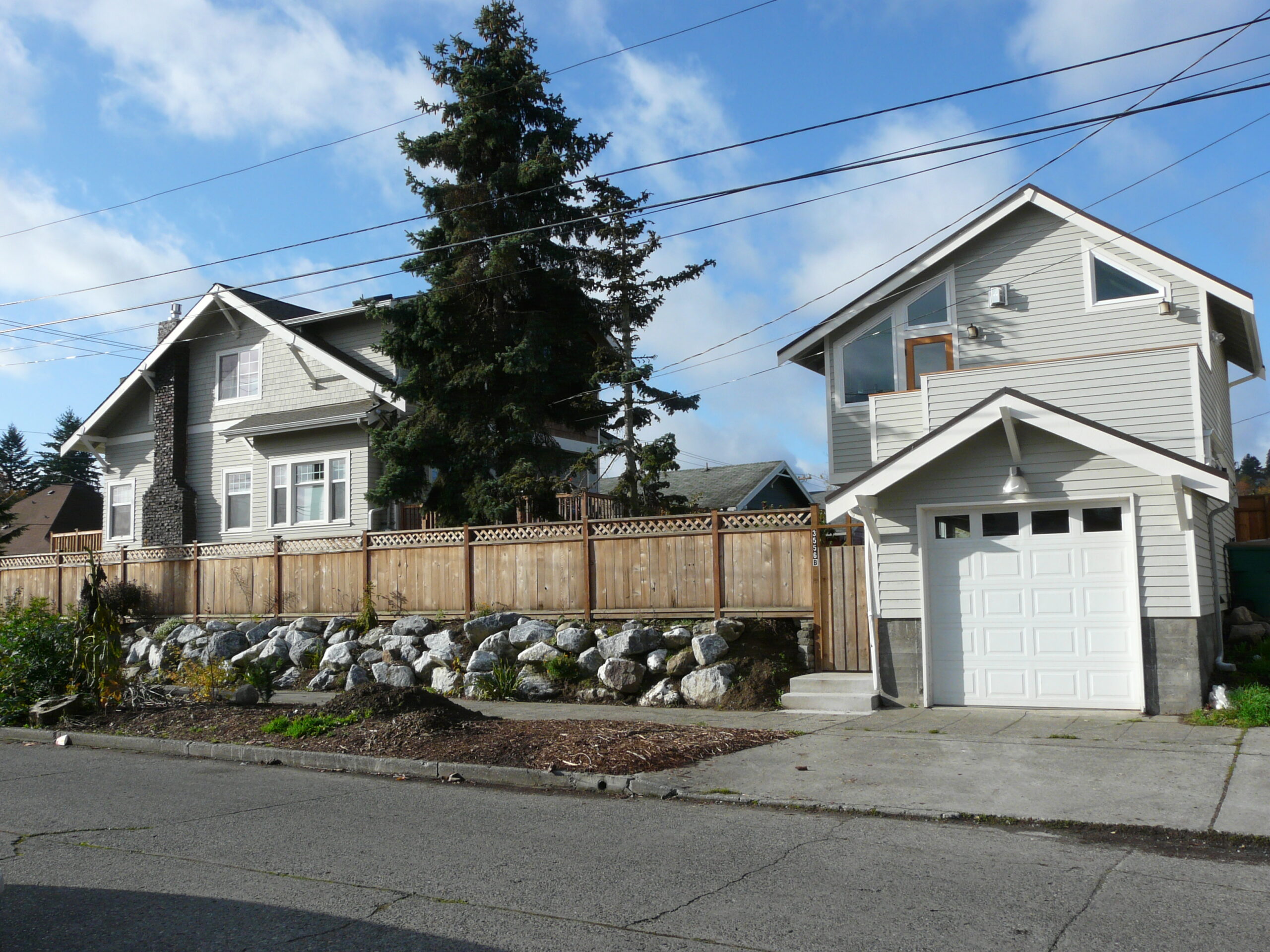
Earlier this summer, Sightline Senior Research Associate Margaret Morales comprehensively broke down how Accessory Dwelling Units (ADUs) could help reduce the affordable housing gap, as well as how ADUs can reduce the carbon footprints produced by single-family neighborhoods. KEXP’s Diane Horn had Margaret on as a guest on the sustainability segment of “Mind Over Matters” … Read more

We did the math to see who gets what from a rent check—then explored nine ways to make rents lower over the long term.
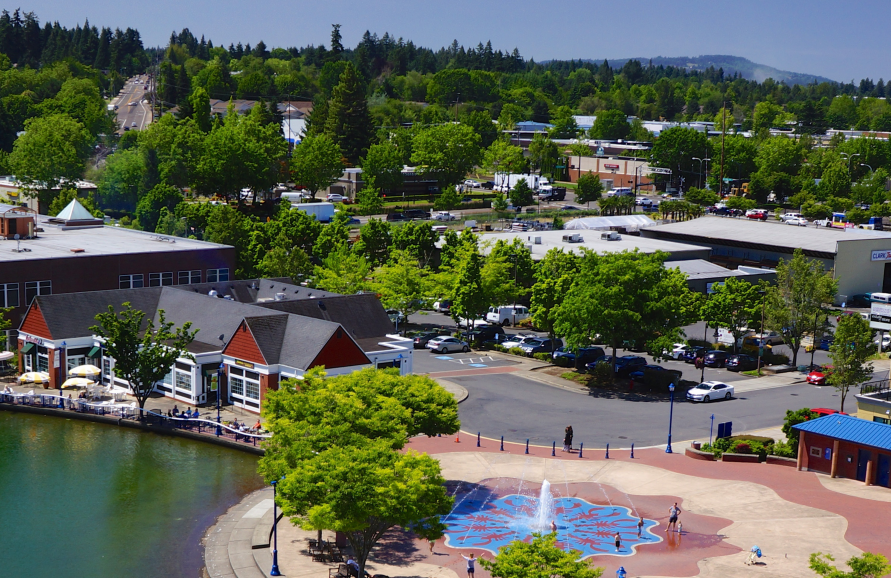
Portland suburb’s housing shortage has led to a traffic crunch. If fixes are found, Tualatin might be a model for peer cities.
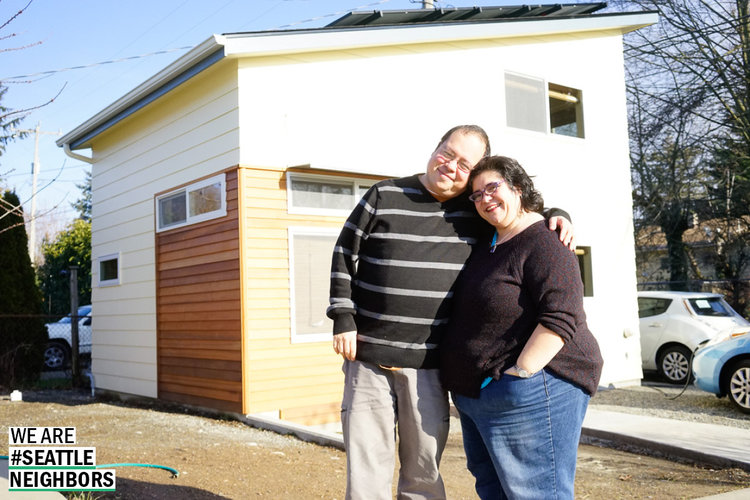
In Cascadia, a typical accessory dwelling unit (ADU) rents for about $1,300, affordable to a low- or middle-income household earning between 60 and 80 percent of the area median income (AMI). That makes ADUs, including granny flats, mother-in-law apartments, backyard cottages, and carriage houses, a form of low-cost market-rate housing. What’s more, over 10 percent … Read more

This article is part three in a mini-series about the climate benefits of ADUs. If you are eager for more, check out part 1 and part 2. My son has chubby feet. There’s (almost) no getting around them, literally: most shoes simply do not fit. Luckily, a certain chain kids clothing store actually carries a … Read more