Donate Newsletters

Ridley’s Coal Export Collapse Continues

Take a look: coal exports through the Ridley terminal in northern British Columbia are in freefall:
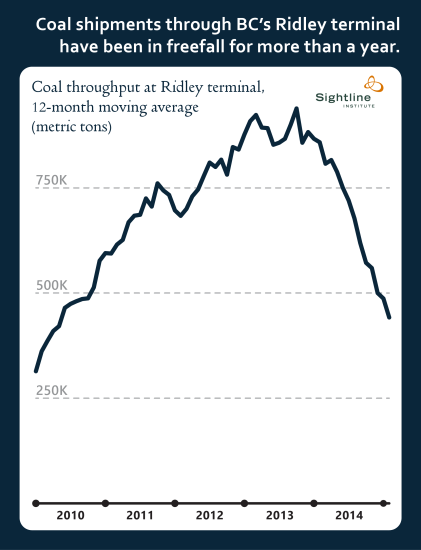
Ridley_Coal--032515--150ppi
Data from Port of Prince Rupert

It’s almost funny. Just a few years back, Ridley was so confident about its prospects that it undertook an ambitious plan to boost its throughput capacity from 12 million tons per year all the way up to 24 million tons per year.

At the time, the plan seemed reasonable: Asian demand seemed strong, and at least two new mine projects were slated to use Ridley’s extra capacity.

But fast forward a few years, and both new mining projects appear to be on indefinite hold…even as many of the terminal’s potential customers have shuttered their mines because of the sustained price collapse in Asian coal markets. As a result, Ridley is now on track to ship less than 6 million tons of coal this year—and possibly less than 4 million.

Instead of doubling their capacity, Ridley could have cut it in half, and they still might have room to spare.
Read more

The Oil Spill That Could Happen Here, Part 2

EPAoilspillcreek6
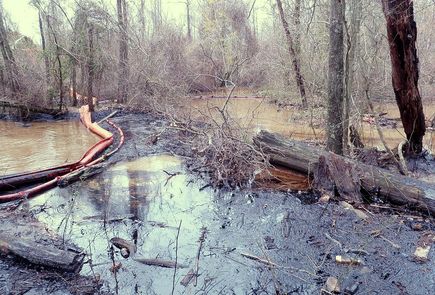
ExxonMobil diluted bitumen spill in Mayflower, Arkansas by U.S. Environmental Protection Agency used under CC BY-SA 3.0

Since Washington state lawmakers convened in Olympia this January and took up legislation on oil transport, the nation has seen at least one major pipeline spill when an Exxon pipe leaked 40,000 gallons of crude into the Yellowstone River. It was the second time in just a few years that the pipeline had ruptured: it spilled 63,000 gallons into the river in 2011, for which regulators fined the oil giant $1 million.

The latest incident was a timely reminder of just how common—and just how serious—oil pipeline spills are. In fact, in the last five years, there have been two other serious oil pipeline spills that did meaningful damage to the environment and local communities. Those stories are warnings for communities near existing pipelines, many of which are slated for expansion.

Read more

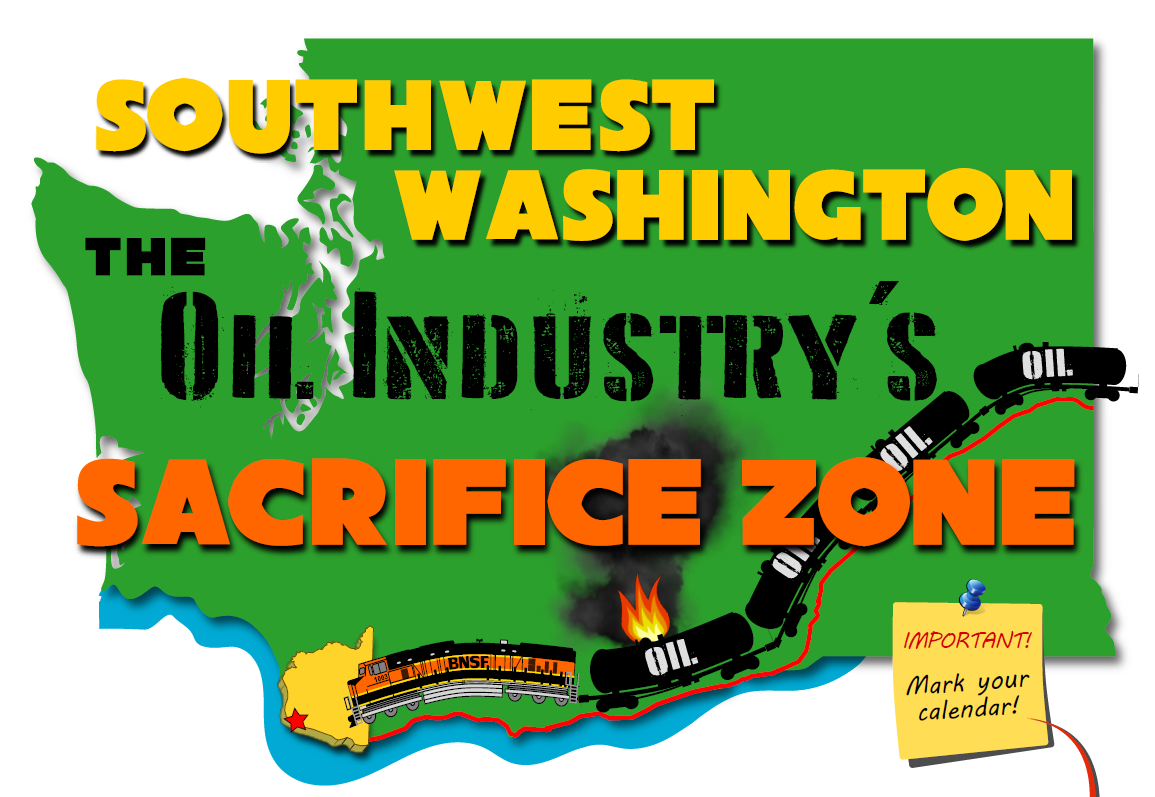
Event: Southwest Washington—the Oil Industry’s Sacrifice Zone?

This April 1st, Eric de Place will join Vancouver, Washington leaders for a forum discussion on the threat of oil trains to southwest Washington communities.

After an introduction by Vancouver City Councilor Bart Hansen, Eric will give an overview of the oil industry’s designs on the Vancouver area and then moderate a panel of local leaders, including Lauren Goldberg, attorney for Columbia Riverkeeper; Vancouver City Councilor Anne McEnerny-Ogle; Barry Cain of Gramor Development; Cager Clabaugh of ILWU 4; Eric LaBrant of Fruit Valley Neighborhood Association; and a representative from Oregon Physicians for Social Responsibility.

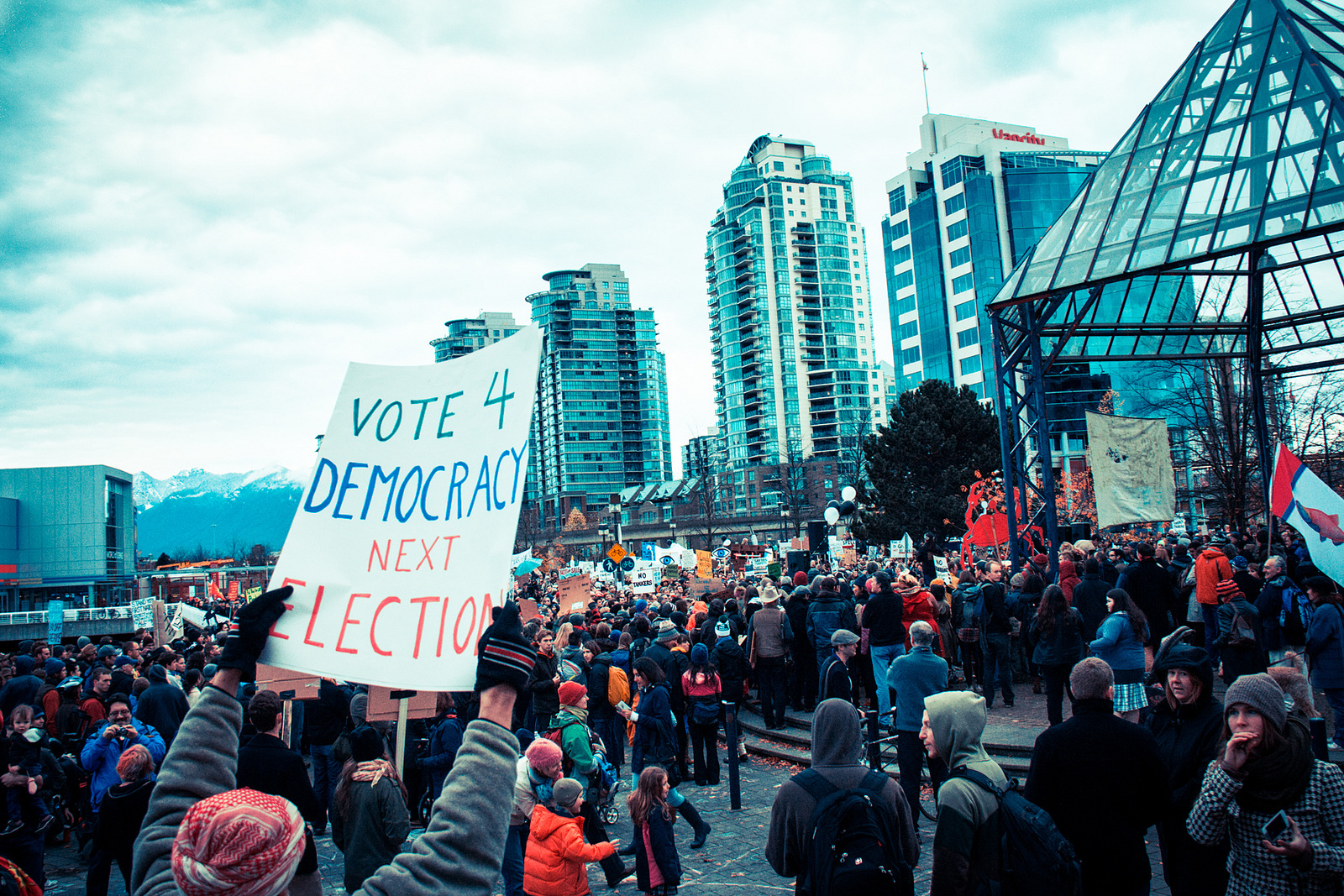
Northwest Democracy and Fossil Fuel Money

For those interested in Sightline’s work on the influence of fossil fuel money in Northwest politics, you may enjoy listening to this 45-minute interview I did recently on KBOO, a community radio station in Portland. Host Barbara Bernstein and I explored some of the recent media reporting on the activities of billionaire brothers David and Charles Koch, as well as Sightline’s research into Tesoro, key state electoral campaigns, and overall coal, oil, and gas spending in Washington.

Read more

The Oil Spill That Could Happen Here, Part 1

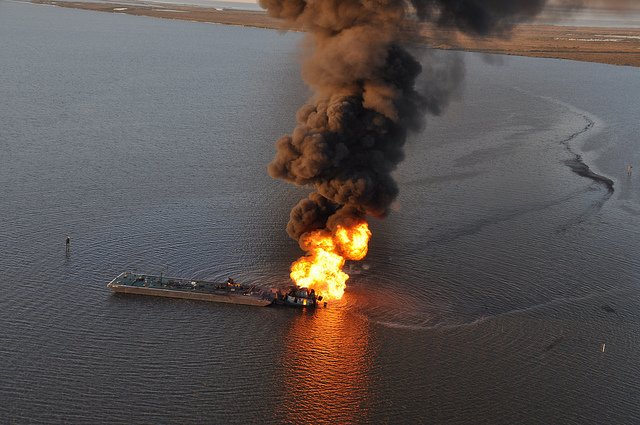
Spills are an unfortunate reality of moving oil on or near water. Try as we might to avoid them, the record shows that they happen in rivers, along coastlines, and in bays and harbors. They happen in remote areas and in the middle of cities. They happen in fog, in storms, and sometimes during fair weather. They happen around the world and they happen in Northwest waters. (Plus, near-misses and almost-spills happen with frightening regularity too.)

In the next few years, the Northwest will decide whether or not to green-light staggering increases in crude oil facilities. These plans would mean more tankers in the Salish Sea serving an expanded tar sands pipeline in British Columbia, along with oil train-to-vessel sites everywhere from the Columbia River to Grays Harbor to Puget Sound. If these projects go ahead, the best analytical assessment of regional spill risk demonstrates that more oil on the water is a near-certainty for region’s future.

Whether we will minimize that risk—by saying no to crude oil expansion—or multiply it—by agreeing to the industry’s plans—remains to be seen. To better understand that risk, it is helpful to examine oil spills in places similar to the Northwest. These are places with established spill response programs, experience with tanker ship traffic, and serious Coast Guards.

These are the stories of the the danger ahead.

Read more

Coal, Oil, and Gas Spent $3 Million on Washington Politics in 2014

Washington state legislators have a lot on their plates. A state Supreme Court mandate to increase education funding dramatically hangs like an ominous black cloud over this year’s session. It’s a problem that is only compounded by dire transportation system maintenance needs—the state transportation commission calls for a mind-boggling $175 billion in transportation funding over the next 20 years.

Governor Inslee’s flagship bill, the Carbon Pollution Accountability Act, aims to address both budgeting issues. By capping emissions statewide and charging polluters for what they release, the law would generate just under a $1 billion the first year. (For a full breakdown of the bill check out Kristin Eberhard’s excellent piece.) The funds would then go directly to transportation and education funding, as well as low income tax relief.

For many, it’s a win-win. But polluting fossil fuel interests are anything but excited about the prospect of paying for the free lunch they’re getting now. They are accustomed to getting their way, and they spend millions each election cycle to specifically influence the state’s political process. In fact, tallying funds from major oil companies like BP and Chevron, from industry associations like the Western State Petroleum Association, and from would-be coal exporters like Pacific International Terminals, we calculate that during the last election cycle, fossil fuel interests injected more than $3 million of political spending into Washington.

It worked out to $3,055,929.28 to be exact. Here’s how it breaks down.

Read more

Wyoming Legislature Embraces Socialism for Coal

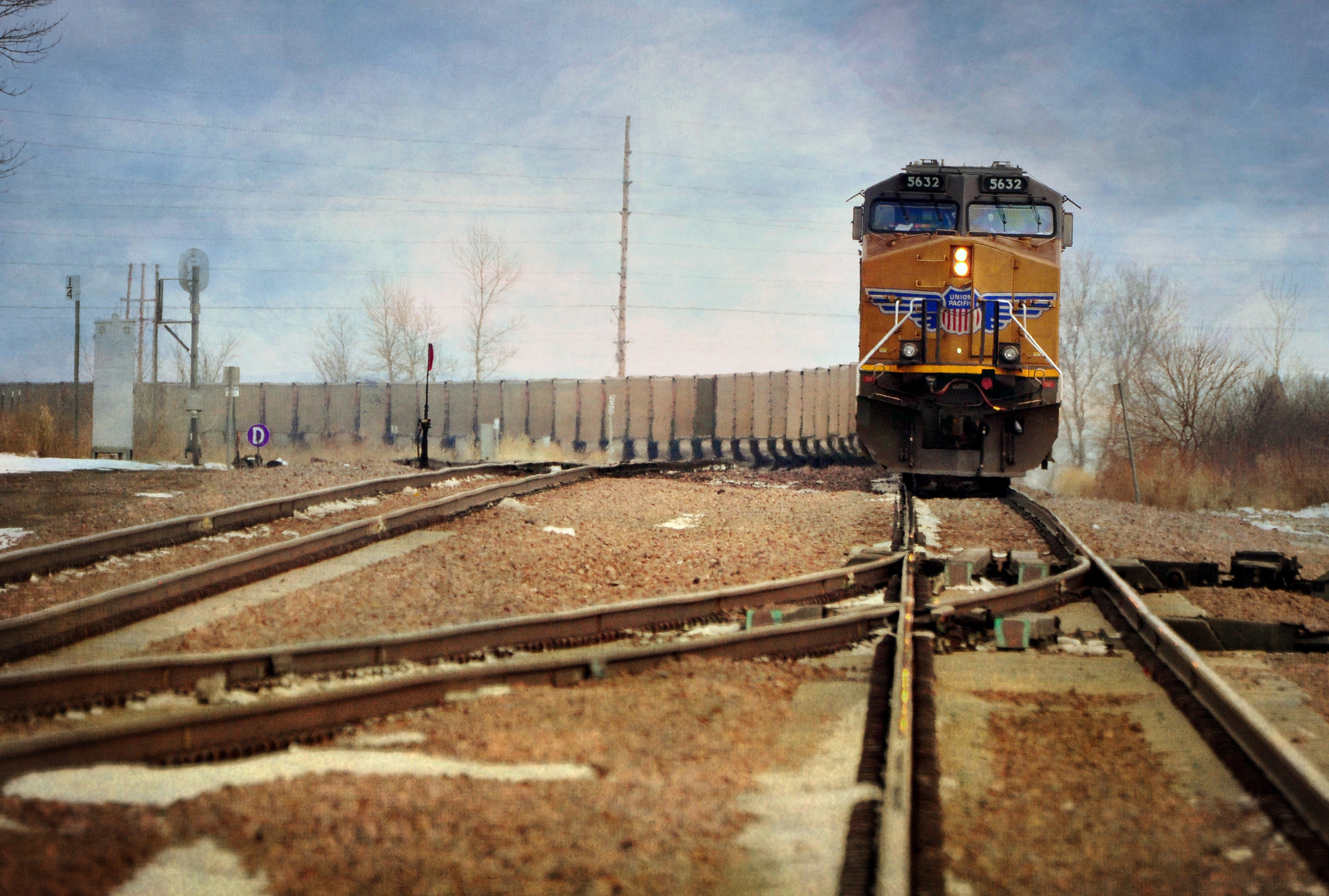
coal train in Wyoming

You can’t make this stuff up. The Wyoming state legislature—ostensibly one of the most conservative deliberative bodies in North America—has embraced full-on socialism for the coal industry. From The Branding Iron, the student paper at the University of Wyoming:

A budget amendment making its way through the Wyoming legislature could grant the Wyoming Infrastructure Authority (WIA) the power to pursue projects like coal ports in other states…The bill also provides $1 billion in bonds to the WIA for the express purpose of pursuing infrastructure projects, like coal ports.

So the allegedly die-hard conservatives in the Wyoming legislature want to commit a billion dollars in bonding authority, backed up by financial resources of the state government, specifically to build coal export facilities that the private sector itself won’t fund. And even though they residents of Wyoming would ultimately bear the risk from a failed infrastructure project, they even want to the bond money out of state, to build projects in Oregon or Washington.

If that isn’t a prime example of what conservatives profess to hate, I don’t know what is.

Read more

Grays Harbor Ship Traffic: The Impact of Oil Plans

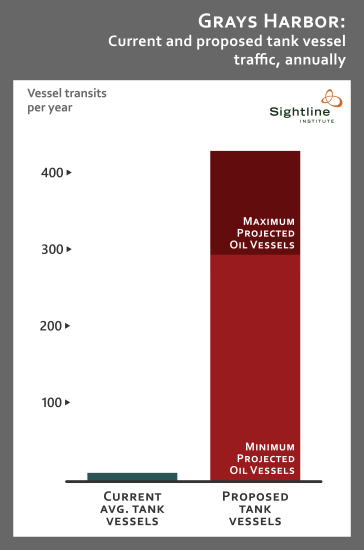
Of all the places in the Northwest that would be affected by a ramp-up in oil transport, none stands to be as profoundly transformed as Grays Harbor. A trio of proposed crude-by-rail-to-vessel schemes at the Port would result in staggering increases in oil-bearing vessels moving in and out of the bay.

Based on figures in the the Washington Department of Ecology’s “Vessel Transit and Entry Counts” database, it is possible to contrast the average volume of ship and barge traffic over the last decade to the number of vessel trips that would be induced by planned oil sites on Grays Harbor. The most direct comparison—the number of current to potential future tank vessel—reveals that the three sites could multiply laden oil tankers and barges by 44 times.

Original Sightline Institute graphic, available under our free use policy.

Read more

It’s Accountability Time for Seattle Port Commissioners

The irony oozing from the Port of Seattle these days is thicker than crude oil.

The Port claims to be “the Green Gateway for trade” and employs a jaunty green slogan, “where a sustainable world is headed.” But this week officials quietly inked a deal to lease terminal space on Elliott Bay to Shell Oil for its Arctic drilling fleet, one of the most environmentally destructive endeavors on earth.

Virtually every environmental organization in the region is vehemently opposed to the Port’s move: already on record are Washington Environmental Council, Climate Solutions, Sierra Club, Greenpeace, Earthjustice, the Audubon Society, 350.org, and practically every other group you can name. Yet despite vocal opposition from green leaders, plus an outpouring of objections from the people of Seattle the Commissioners claim to serve, the Port opted not to engage in further dialogue or solicit community input, but rather to rush the deal, signing a lease far sooner than anyone expected to allow Foss Maritime to host Shell’s vessels on Seattle’s public land.

To their credit, two of the Port’s commissioners—Courtney Gregoire and Tom Albro—tried to put a hold on the deal.

Gregoire and Albro were out-maneuvered by the other three Port commissioners—John Creighton, Bill Bryant, and Stephanie Bowman—who ushered the contract through with little chance for public feedback. (For a fuller accounting of how the politics worked, see Sydney Brownstone’s excellent reporting at The Stranger.) All three trumpet their supposed environmental bona fides. Yet when given a choice, they voted for the Port to be a crucial part of a notoriously reckless oil company’s plans to drill in an environmentally fragile part of the Arctic.

It’s time for an accountability check.

Read more

Event: NW Fossil Fuel Exports

Join our policy director Eric de Place at the downtown Everett Library, to discuss transport risks of coal and crude oil through Snohomish County and other cities in the Northwest.

In response to the increasing amount of public interest in oil transport issues, the community group Snohomish County Train Watch is hosting a series of monthly strategy meetings to address the future of fossil fuel transport projects in the Pacific Northwest. Eric will talk about the risks of fossil fuel transport, including carbon emissions, railway congestion, coal dust, water pollution, and oil train safety. During the second half of the meeting, the group will participate in a strategy session focusing on future activities to avert dangers and to stand up against big energy companies.

×