Donate Newsletters
Home » Climate + Energy » Climate Scientists Are People, Too

Climate Scientists Are People, Too

Image courtesy of More Than Scientists, used with permission.

SwatchJunkies

October 16, 2015

As a general rule, scientists are expected to keep their personal feelings to themselves. Scientific detachment is important. Objectivity is the name of the game for sound and accurate findings.

But, as Ewan Birney, a computational biologist at Cambridge, wrote in the Guardian not long ago, “The lack of a natural forum for scientists to describe their emotions in their work can lead to the mistaken view that scientists are unemotional people.” Far from it, he contends. The truth is that these are people who have a huge emotional investment in their work. After all, they have devoted their careers—their lives—to finding answers to the great questions of our time.

So, what happens when you ask scientists studying various aspects of global climate change how they really feel about it—as in, personally? As in, their own emotions?

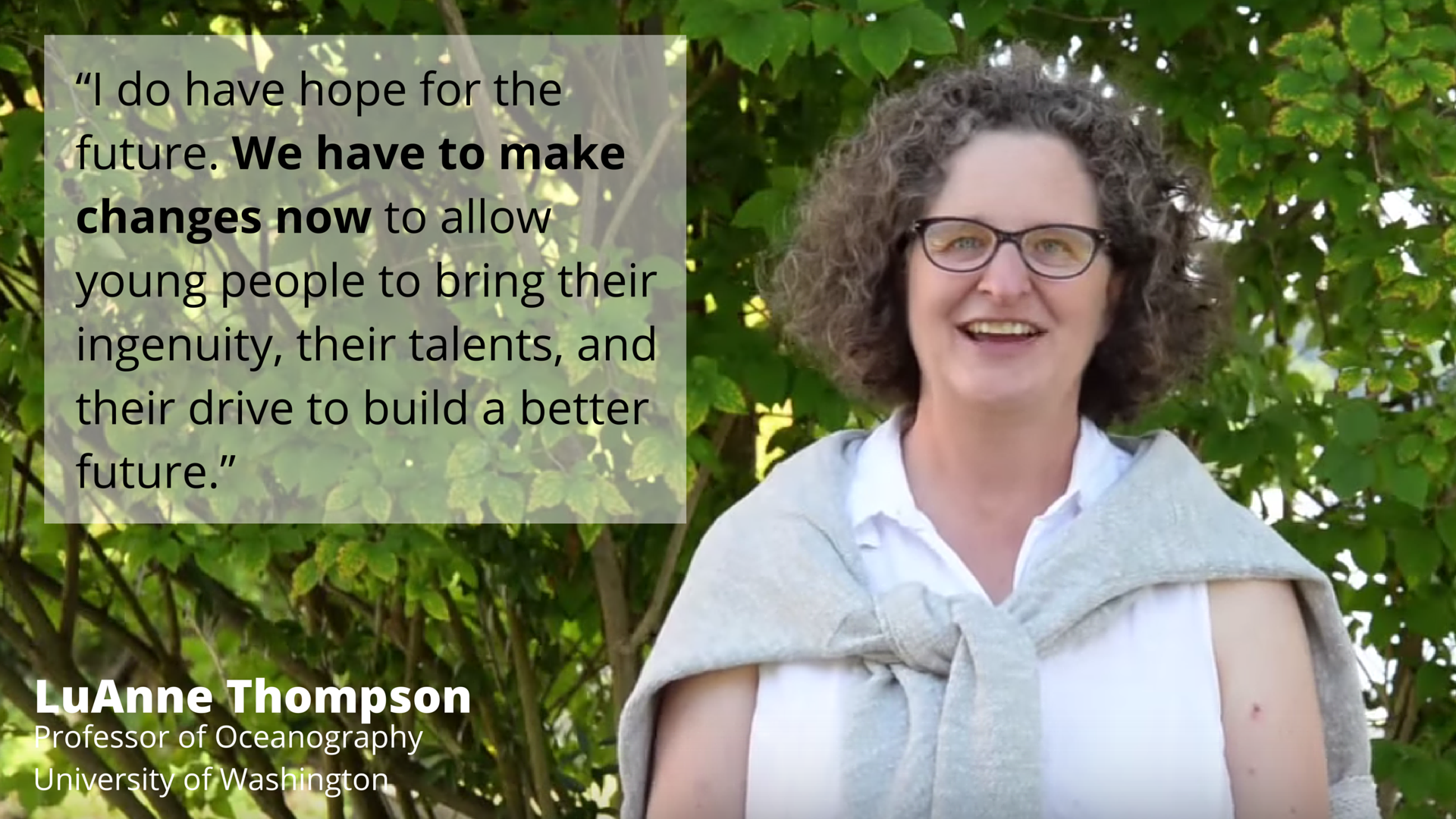
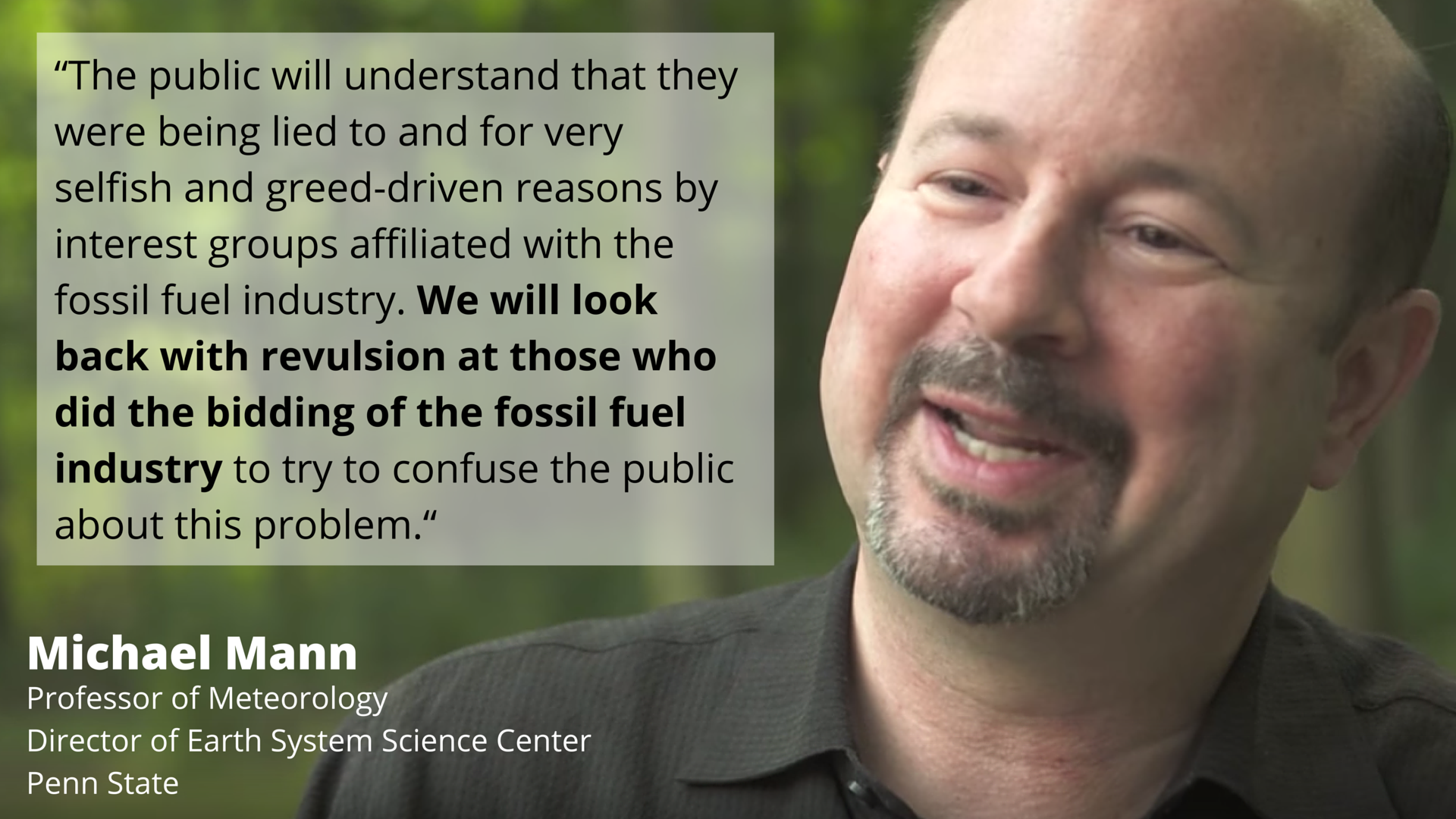
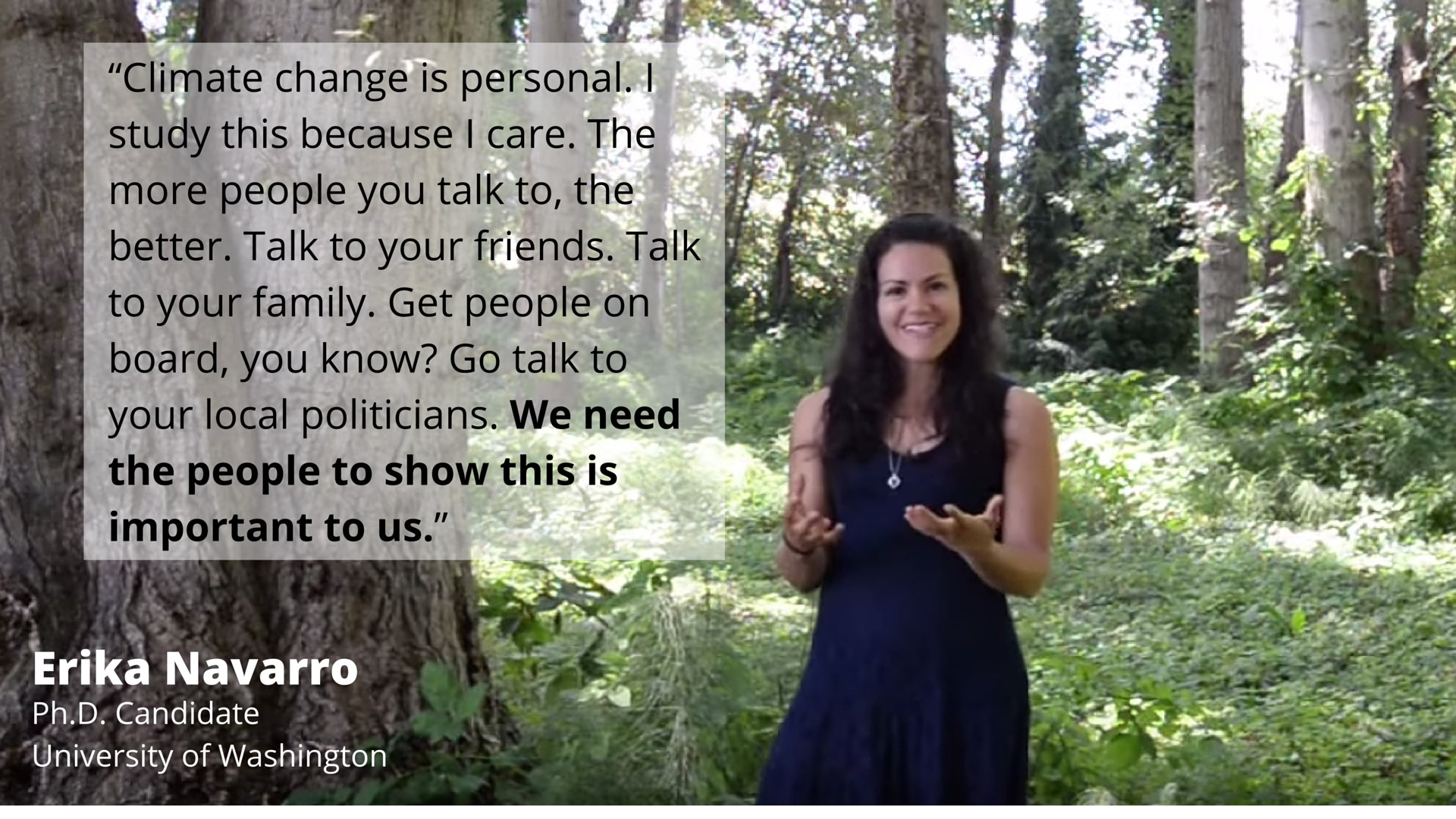
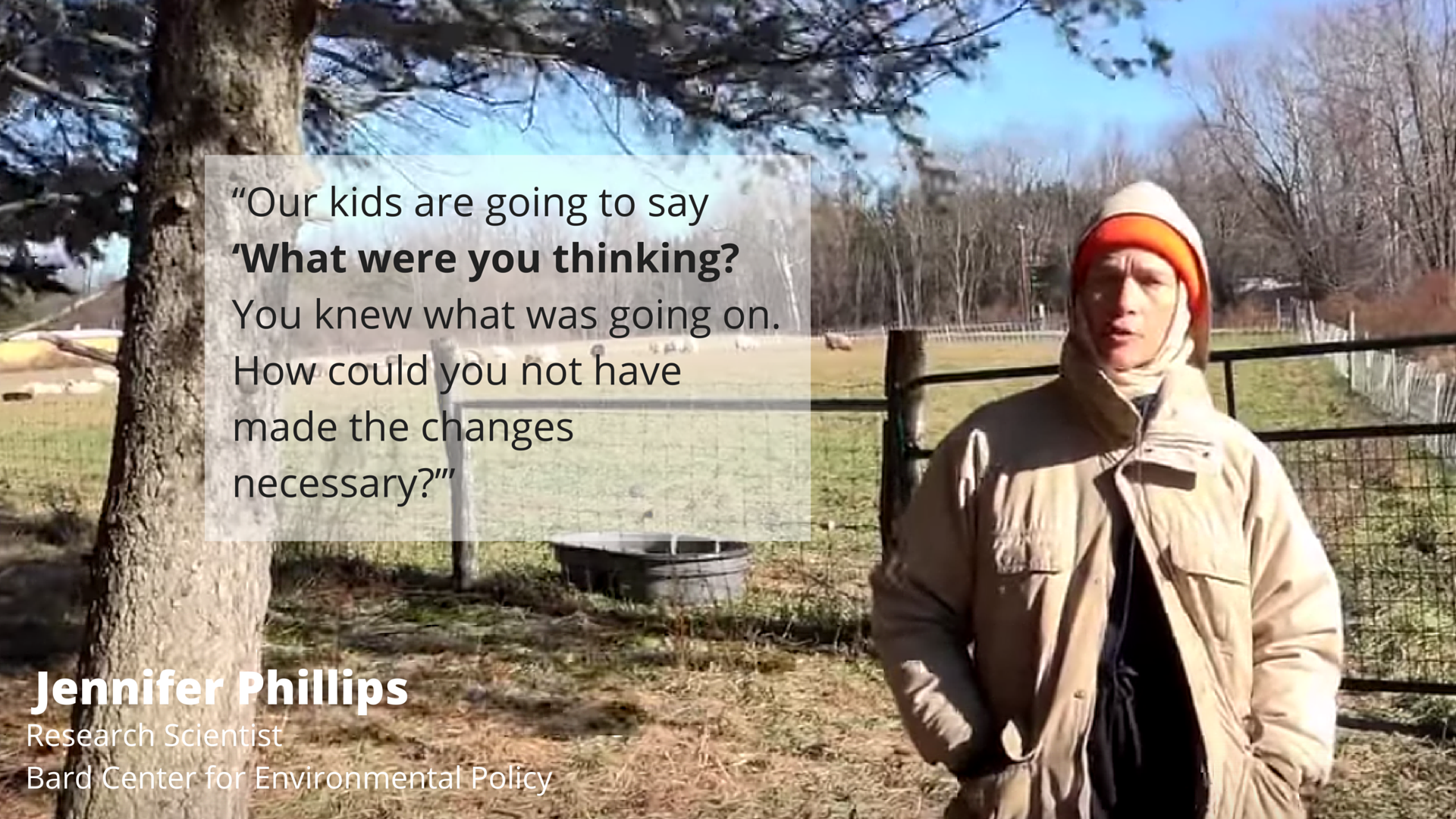
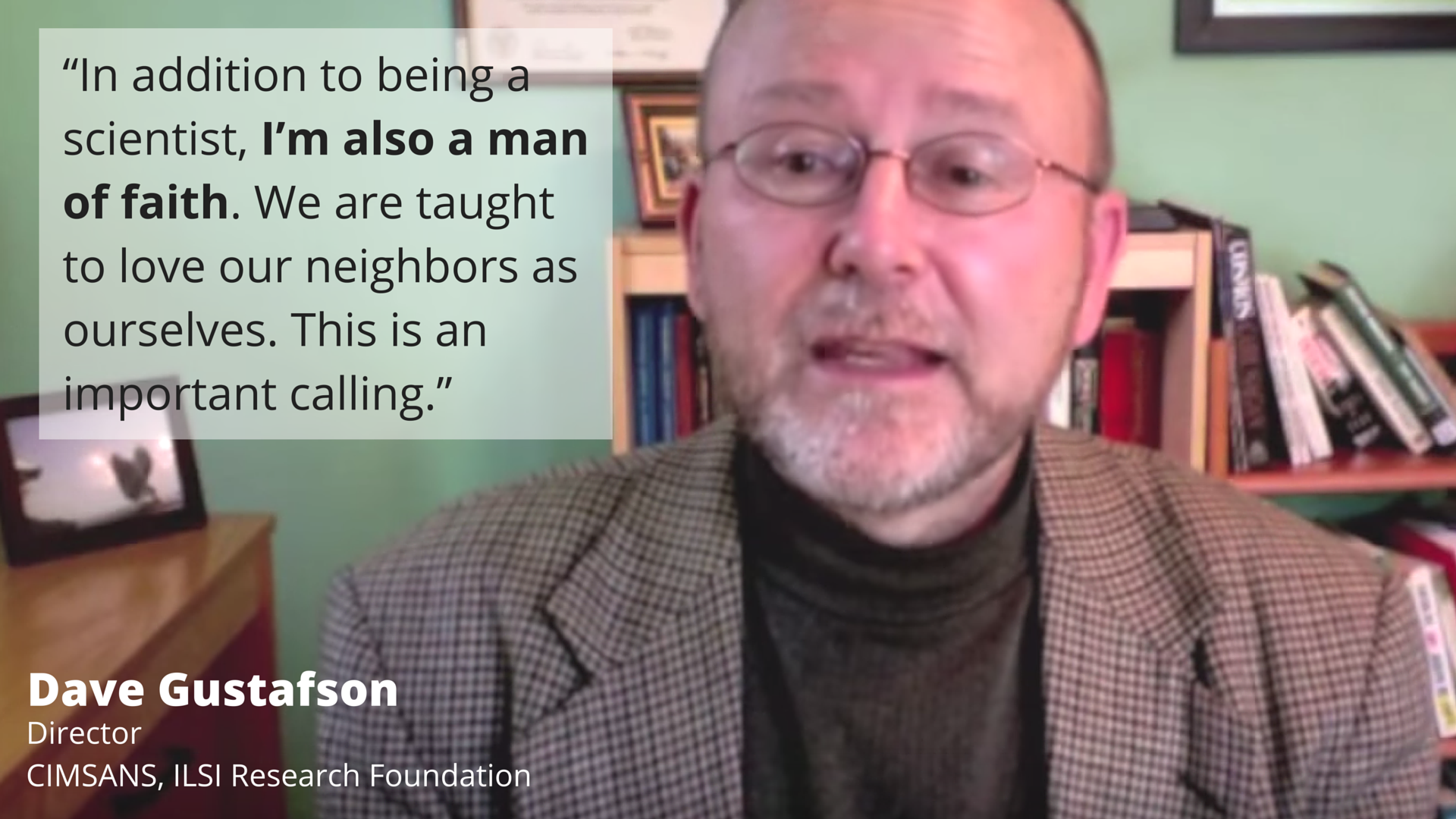
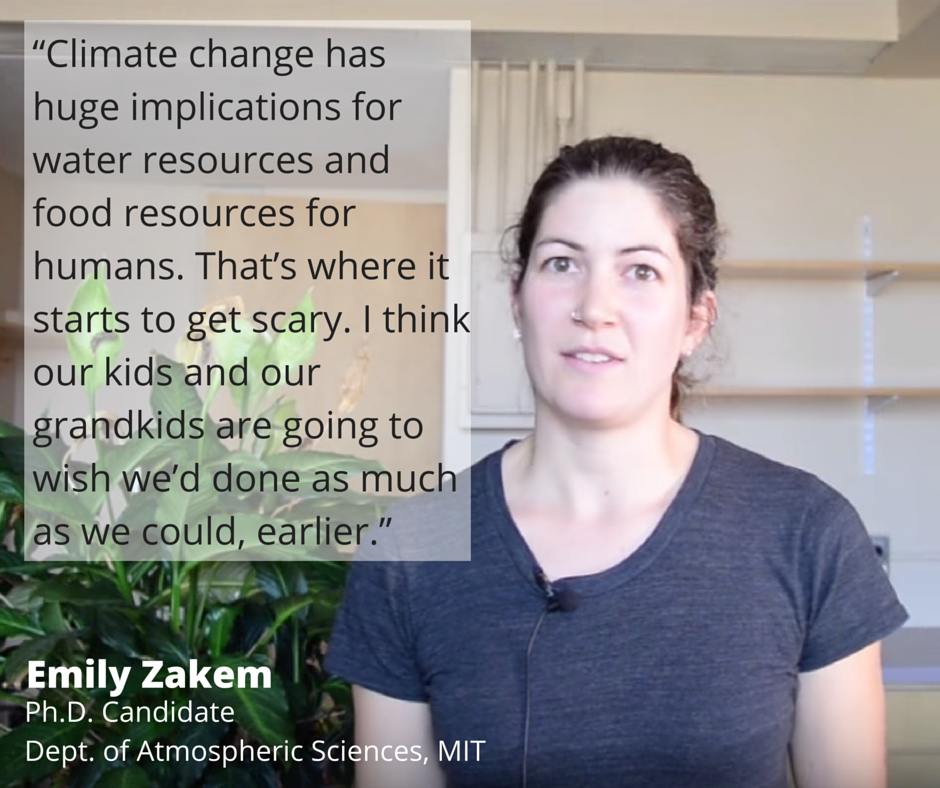
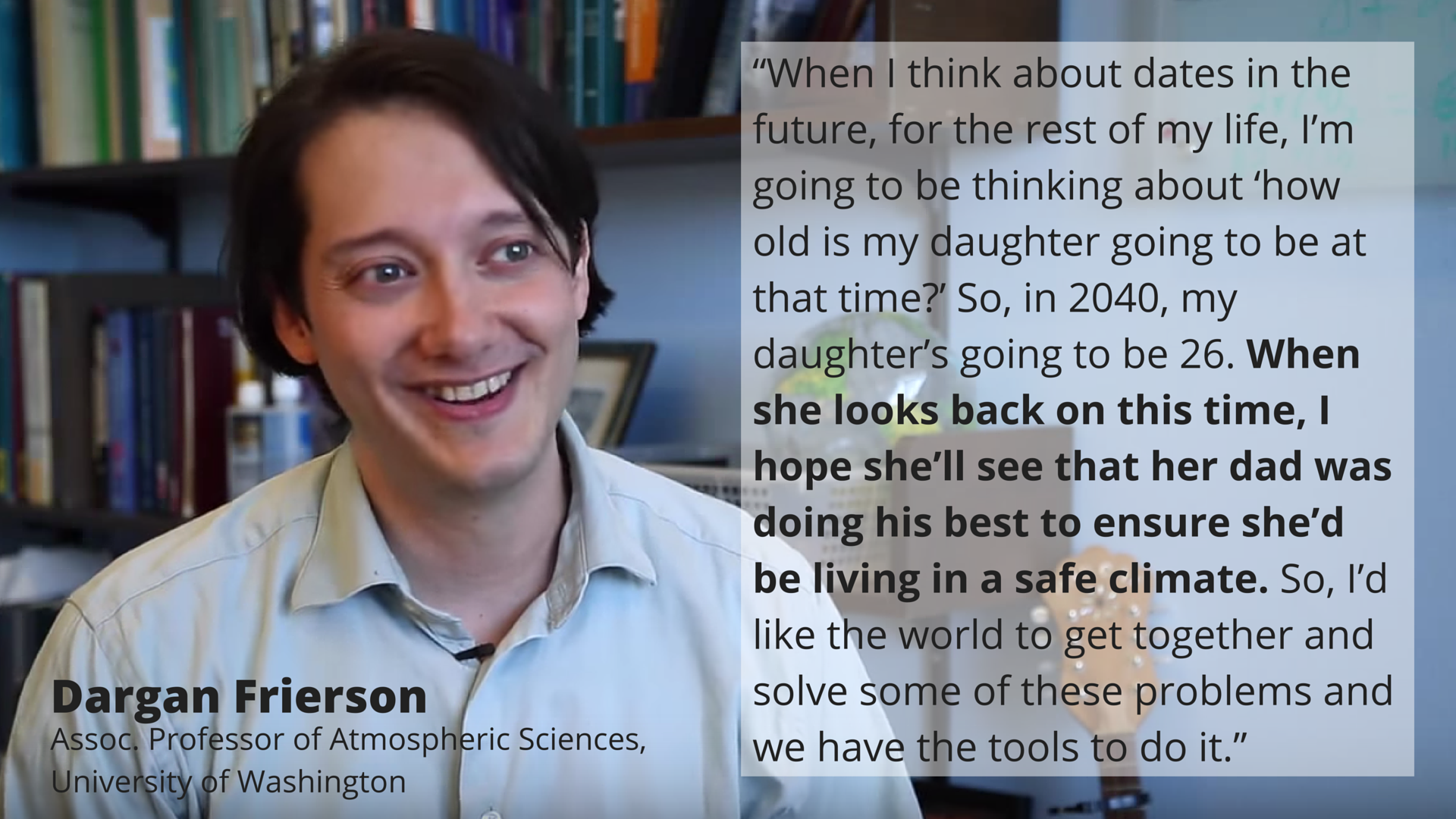
A project called More Than Scientists did just that. And well, let’s face it: it isn’t exactly easy for scientists to shed decades of training telling them not to open up. Nonetheless, the results are powerful. When scientists do share their feelings—even just a little, tiny bit—it’s clear that they are driven by the same emotions we all feel. They are daughters, sisters, brothers, and sons. They are parents and grandparents. They are worried, and they are hopeful.

As the project leaders put it, “We aren’t just scientists inside labs and academia. We are people like you, with hopes and dreams and loved ones…. And we’re concerned. We are more than scientists. It will take more than science. It will take us all, working together, for a better future.”

Here are some excerpts. Watch the full videos here.
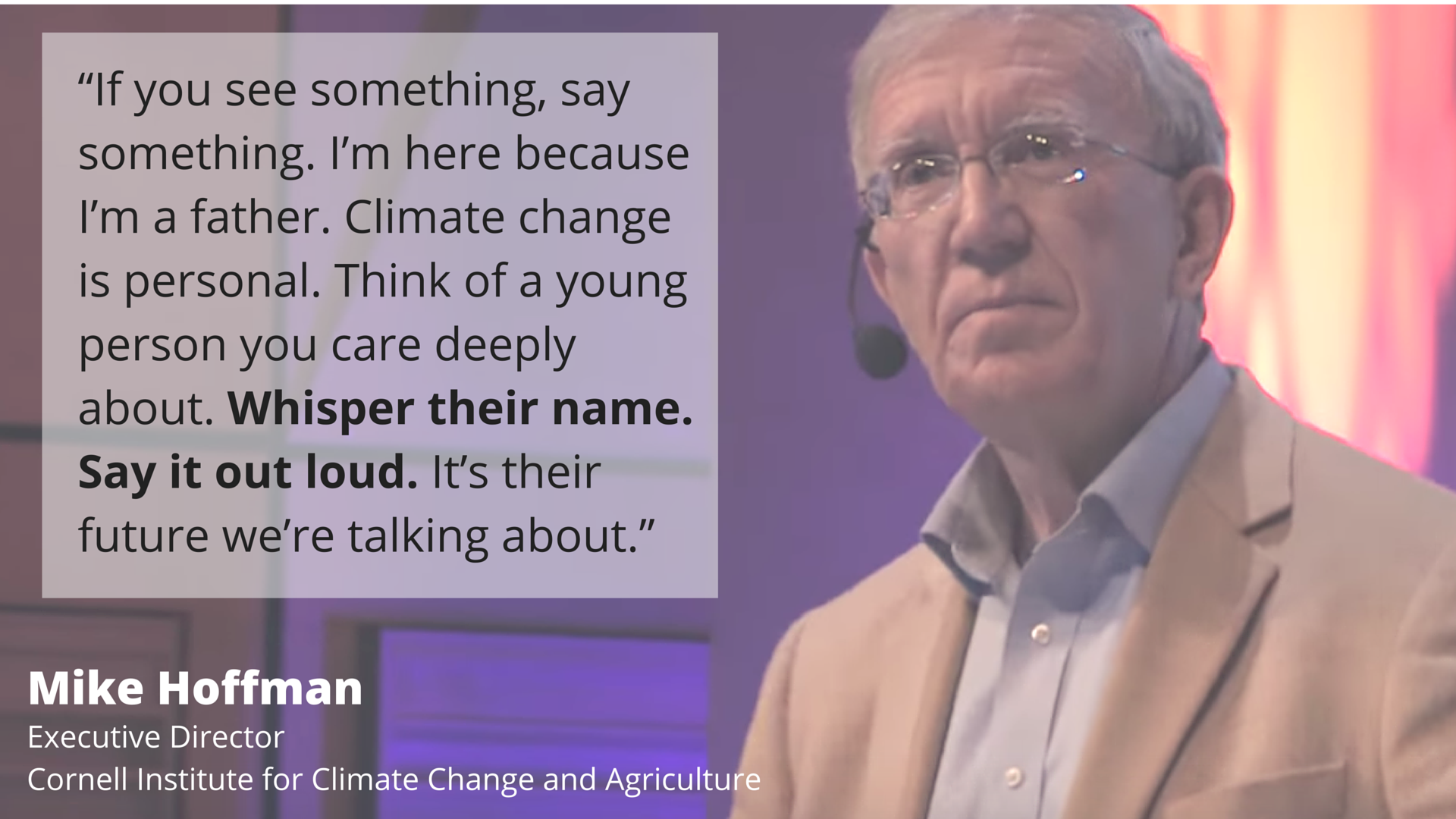
Image courtesy of More Than Scientists, used with permission.

Talk to the Author

SwatchJunkies

Talk to the Author

Anna Fahey

Anna Fahey, Principal Director of Strategy, leads Sightline Institute's framing and messaging strategies and coordinates the organization’s cross-cutting legislative campaigns. She serves on Sightline’s executive team.

About Sightline

Sightline Institute is an independent, nonpartisan, nonprofit think tank providing leading original analysis of democracy, energy, and housing policy in the Pacific Northwest, Alaska, British Columbia, and beyond.

3 thoughts on “Climate Scientists Are People, Too”

  1. We love you scientists ! We need to put huge energy into figuring our how to stop accelerating climate change. I just sent 9 letters to the EIS scoping comments regarding the project about 6 added oil trains in Anacortes. Grrrr!

    thank you for being there,

    Phyllis

Comments are closed.

For press inquiries and interview requests, please contact Martina Pansze.

Sightline Institute is a 501(c)3 non-profit organization and does not support, endorse, or oppose any candidate or political party.

See an error? Have a question?

Find the author's contact information on our staff page to reach out to them, or send a message to editor@sightline.org.

Thanks to Deborah Hagen-Lukens for supporting a sustainable Cascadia.

Our work is made possible by the generosity of people like you.

×
Privacy Overview
Sightline Institute

More information about our privacy notice

Strictly Necessary Cookies

Strictly Necessary Cookie should be enabled at all times so that we can save your preferences for cookie settings.

3rd Party Cookies

This website uses Google Analytics to collect anonymous information such as the number of visitors to the site, and the most popular pages.

Keeping this cookie enabled helps us to improve our website.

Additional Cookies

This website uses social media to collect anonymous information such as which platform are our users coming from.

Keeping this cookie enabled helps us better reach our audiences.