Donate Newsletters

Recipe for a Rice Crispy Road

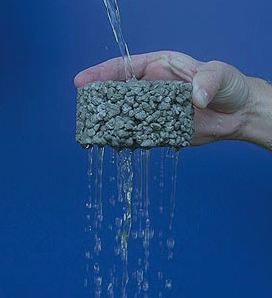
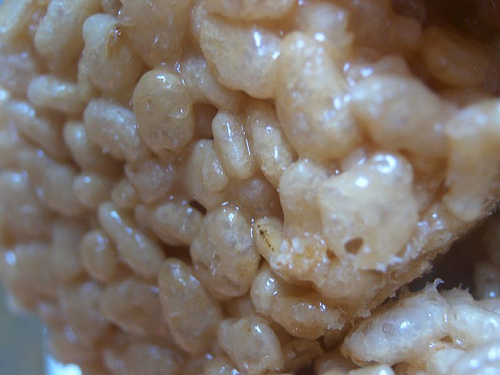
Rice Crispy close up

Water is the enemy of pavement. It gets into cracks, freezes, expands, and makes bigger cracks. It makes the ground beneath roads soggy and soft. Drive some heavy trucks over those roads and they can give way, forming potholes and ruts. Even when it’s not destroying the road, water pools on the surface, turning cars into dangerous hydroplanes and splashing buckets of filthy water onto windshields and pedestrians.

Water is the enemy of pavement—unless that pavement is permeable.

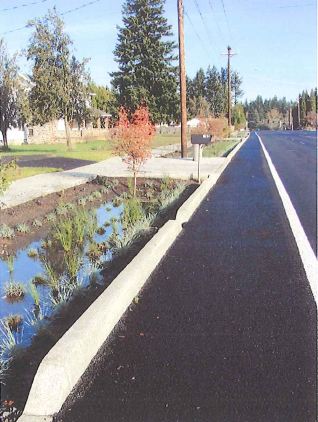
Permeable pavement is pocked with pores that allow the water to trickle through it like a rock-based rice crispy treat. In freezing temperatures the water has room to expand inside the pores without cracking the material. Potholes are less of a problem because the pavement is laid on top of a bed of gravel, which allows water to drain through to the absorbent soil below while maintaining a firm foundation under the road surface. There’s no standing water puddling on top of the road causing sliding and splashing.

And permeable pavement helps solve the top two problems created by polluted runoff: dirty stormwater that poisons streams and lakes, and the tsunamis of water that gush through creeks and flood buildings. Permeable pavement cleans the water as it trickles through it into the soil, and it helps the dirt soak up the water, recharging pockets of buried groundwater.

But just how does a simple roadway shrink our stormwater woes and make streets safer to drive, bike, and walk on? Here’s how.

Read more

Surprisingly Ambitious Permeable Projects

Kane Road pervious asphalt

Municipal engineers don’t exactly have reputations for being devil-may-care, live-on-the-edge risk takers. Speaking generally, they work hard, take their jobs seriously, and really really want their projects to work. Collapsed bridges and over-flowing sewers don’t look so hot on the resume.

But stormwater engineers in Gresham, a neighbor to Portland, and Issaquah, located in the foothills of the Cascades outside Seattle, have built some interesting — even a touch experimental — roads and parking lots using permeable pavement.

The main reason for using permeable pavement, which comes in two basic flavors: porous asphalt and pervious concrete, is to help shrink and clean polluted stormwater runoff. Instead of sheeting off pavement with a slug of toxic chemicals, rainwater trickles through pores in the pavement, soaking into the gravel and native soils below. In addition to treating stormwater, the pavement is safer for drivers because it reduces hydroplaning and the glare from wet pavement. Plus, it can save money by eliminating the need for traditional, costly stormwater pipes and retention ponds or vaults.

Permeable pavement is increasingly being turned to as a “green” technology for managing dirty stormwater, but the truth is, it’s still an approach that’s under development.

That’s why it’s interesting to see these two smaller cities tackling projects that stretch into uncharted territory for the Northwest. In Gresham, the city installed porous asphalt on a sloped road with less-than-perfect soils — two factors that tick up the degree of difficulty. Issaquah built a 1.5 acre porous asphalt parking lot at a formerly unpaved site that was so poorly drained, it was known for its muddy potholes.

“Everyone’s cautious on the public side,” said Steve Fancher, director of Gresham’s Department of Public Works. “You don’t want those failures.”

Read more

Video: Five Tips for Talking Stormwater

Here at Sightline, our goal isn’t just to provide you with the most effective sustainability solutions; we also help you talk about them.

Toxic stormwater runoff is the perfect example: the problem is big and when experts start talking policy solutions, it’s easy to get lost in technical jargon. The good news is that by talking about the issue in a way that gets at our shared values and highlights local success stories, we can get more people excited about solutions and why they matter.

For example, connecting the dots between pollution in our local waterways and the food and water our families use can be more effective than focusing only on vulnerable ecosystems. People don’t necessarily think about themselves as part of an ecosystem—or a watershed!

Sightline’s communications strategist, Anna Fahey, has produced a short, three-minute video with five tips for talking about polluted stormwater. We hope you like it! If so, please share it!

Read more

Video: Five Tips for Talking About Polluted Stormwater

Editor’s Note 11/19/15: Welcome to the Northwest’s infamous rainy season! As rainwater streams down roads and roofs, it creates a potent mixture of pollutants that travel straight into neighboring waterways. So, how can we prevent polluted runoff in this rainy region? Sightline’s bringing back the first-ever video Flashcard, which provides tips on how to talk … Read more

The Porous Road Less Traveled

Pervious concrete

Permeable pavement can make old-school road engineers and pavement builders anxious. To them, the idea of water seeping through roads like they’re made of Swiss cheese just doesn’t seem right. Water runs off roads, not through them. Or at least it used to.

In the Northwest, there’s a growing acceptance of the use of pervious concrete and porous asphalt for roads, sidewalks, parking lots, and driveways. The unconventional pavement does a great job reducing the amount of polluted stormwater runoff that damages homes, streams and lakes. Instead of gushing from the roads carrying a slug of toxic chemicals, the water seeps through small pores in the pavement, soaking into the gravel and dirt beneath the road. Some of the pollutants get trapped inside or beneath the pavement, or are consumed by organisms living in the ground below it.

Those who’ve used the pavement praise the technology. Advocates can be found around the region, including a 32-acre eco-friendly development near Salem called Pringle Creek, where all of the roads and alleys were built with porous asphalt.

“It’s pretty remarkable to see water disappear into the street,” said James Santana, vice president of Pringle Creek. “We’ve been really impressed with how effective the streets have been.”

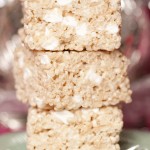
Rice crispy treats
Anna Fischer, Flickr.

The development, which was built in 2007, was deemed “the nation’s first full-scale porous pavement project” by the Asphalt Pavement Association of Oregon.

But fears about the technology persist. Can pavement that’s likened to rice crispy treats to illustrate its pervious nature take a pounding from countless cars, trucks, and buses and survive intact? How long can water seep through it before its pores are clogged with dirt and debris? Is it OK to put a bunch of water underneath a road?

Read more

A Call to Waterlogged Northwesterners

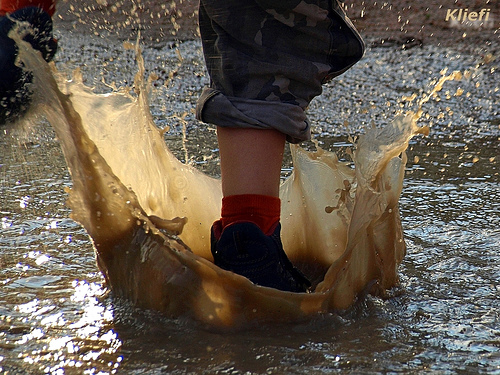
Splashing in a muddy puddle

Stormwater has been kicking the Northwest’s butt. Armed with back-to-back deluges, the region’s polluted runoff has shown no mercy. For weeks it has soaked us to our socks with deceptively deep and oily puddles. It’s sent icy trickles of rain snaking off awnings and splatting our cheeks and foreheads. It has forced us to leap, not always so nimbly, its muddy mini rapids just to reach the safety of the sidewalk.

People of the waterlogged Northwest, it doesn’t have to be like this. By changing how we build our streets and structures, more of that polluted runoff can be allowed to soak into the ground or get soaked up by the leaves and roots of plants. It can be funneled into large cisterns and saved for a not-so-rainy day.

It’s time to tame the rain. We can help do this by implementing rules that will change how we build our roads, sidewalks, alleys, parking lots, roadside gardens, and rooftops. Right now, Washington’s Department of Ecology is accepting comments on just such rules for reducing and cleaning up these soggy torrents of dirty runoff.

Read more

A Green Makeover Inside and Out

Planting a rain garden in Burien

To make a house environmentally sound, one needs to go green inside and out. Failing to do so is like buying your shade-grown beans and happy-cow latte in a styrofoam cup, or filling your organic hemp grocery bag with hot dogs and Cheetos.

So Kevin Ward and David Hymel have teamed up to provide Western Washington homeowners with the complete eco package.

“My picture of ecotopia is basically a holistic home makeover,” said Ward, who co-owns Revolution Green Power, a Shoreline-based business that provides home energy audits and solar installations. “It’s (about) layers of sustainability.”

David Hymel, co-owner of Rain Dog Designs, a Puget Sound-area company that designs and installs rain gardens and other green stormwater solutions, brings the outside layer.

“We want to save the planet, that’s the ultimate thing,” Hymel says with a straight face.

To get a tiny step closer to that goal, the two businesses have worked together in four Puget Sound area cities and neighborhoods in recent years, conducting evaluations of home energy use and building rain gardens that can soak up and clean the surges of filthy stormwater that gush from roofs and driveways.

Read more

Who’ll Catch the Rain?

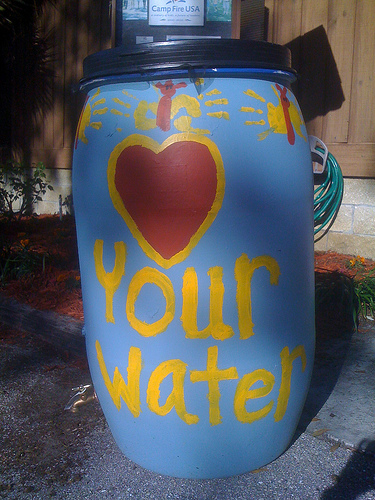
Love Your Water rain barrel

You hooked up a 55-gallon rain barrel to one of your roof downspouts. You were glad — maybe even a little smug — about tapping that free water to keep some of your plants happy this summer.

Are you ready to kick it up a notch?

There’s increasing interest around the Northwest in rainwater harvest on a bigger, bolder scale. Stretch that little rain barrel into a 550-gallon cistern installed above ground or below. Or don’t stop there — how about vessels holding 1,000 gallons, 10,000 gallons — to catch all that lovely rain. The bigger the better. After all, the uses are endless and our rain supply is generous during most seasons.

So far, Oregon has been a big step ahead of Washington in encouraging and permitting the capture and use of rainwater and next week, Portland is hosting the 2011 American Rainwater Catchment System Association (ARCSA) Conference.

Read more

Portland, the City of Sedums?

Sedums

The City of Roses is being transformed into the City of Sedums as nearly 300 Portland rooftops are now blanketed in the drought-tolerant succulents.

And as rooftops in Oregon are going green, some of the businesses that design, build, and landscape ecoroofs are having an economic mini boom.

News headlines cheer sales numbers that have tripled in the past year for one Portland company. Another is doing cutting-edge ecosystem research that could help businesses cut costs and benefit the environment. And two local businesses are merging their green products into an exciting new technology.

The enthusiasm for ecoroofs is spilling over into other Oregon cities and counties, including Bend, Salem, and Multnomah County. Libraries, schools and universities, even gas stations and a high school batting cage are sprouting green covers.

Portland is the state’s hothouse for green roof growth. If you include the number of buildings capped in smaller patches of plants and veggie gardens in the tally, there are 428 green roofs in Portland covering 30 acres, officials report.

There are lots of benefits to the roofs. They help soak up stormwater runoff, make roofs last longer, insulate buildings to cut energy costs, plus they look beautiful and can provide a home for bugs, birds, and other wildlife.

“They are becoming part of the fabric of what our city looks like,” said Matt Burlin, outreach coordinator for Sustainable Stormwater Management with the city of Portland’s Bureau of Environmental Services.

Read more

Bremerton Seeks More Bang for its Clean-Water Buck

The city of Bremerton on the western shore of Puget Sound has scored a serious environmental achievement. The Navy town has become Washington’s first city to unravel a complicated system of mixed sewage and stormwater waste, dramatically shrinking the amount of pollution dumped into the Sound. The city recently celebrated its $50 million achievement, receiving kudos from the governor and head of the Ecology Department.

But as I explore in a story posted today on Crosscut, even as the city officials feel the love of their eco success, some of them wonder if it would have benefited local waters more to have spread that money around to other green endeavors.

Read more

×
Privacy Overview
Sightline Institute

More information about our privacy notice

Strictly Necessary Cookies

Strictly Necessary Cookie should be enabled at all times so that we can save your preferences for cookie settings.

3rd Party Cookies

This website uses Google Analytics to collect anonymous information such as the number of visitors to the site, and the most popular pages.

Keeping this cookie enabled helps us to improve our website.

Additional Cookies

This website uses social media to collect anonymous information such as which platform are our users coming from.

Keeping this cookie enabled helps us better reach our audiences.