Donate Newsletters

Industry to Feds: “We Will Not Remove Any Unsafe Oil Rail Cars from Service”

“We will not remove any unsafe oil rail cars from service.” That was the upshot of oil industry testimony at a recent rail safety hearing before the US Senate. To be fair, that isn’t a direct quote. But it is a direct consequence of the math. Under questioning from Senators about the wisdom of continuing … Read more

Oil Trainspotting, Part 2

Two weeks ago, we called on northwesterners to start tracking oil train movements as they pass through local communities. It looks like people are responding to the call: our first oil trainspotting video comes from Everett, and it’s up on Facebook. It shows an empty oil train heading south and then east toward Stevens Pass, … Read more

Events: Sightline on Fossil Fuel Exports: Bainbridge Island and Vancouver, WA

Next week, I’ll be doing two public speaking engagements on The Thin Green Line—the notion that the Northwest is uniquely positioned to thwart large-scale fossil fuel exports. Bainbridge Island When: Tuesday, April 8, at 7 pm Where: Eagle Harbor Congregational Church, 105 Winslow Way West, Bainbridge Island. Map. Details: I’ll be focusing on new developments … Read more

Tesoro: A Track Record of Pollution, Hostility to Workers, and Meddling in Politics

Right about now, oil executives in Texas are boarding a plane bound for the Northwest. Their goal? To steam roll opposition to the monster oil train terminal that Tesoro wants to construct on the downtown waterfront of Vancouver, Washington.

Hot on the heels of learning that the local city council is narrowly opposed to the project, the oil refining giant is going on a full court press lobbying mission in Vancouver, Washington. The company’s leadership, including senior VPs and CEO Greg Goff, will be meeting behind closed doors with members of the city council and the Port of Vancouver. Then on Tuesday, March 25 from 1:00 to 2:00, they are holding a private meeting with 40 business leaders at the Heathman Lodge.

As a public service to the community of Vancouver, it’s worth explaining what Tesoro is—and why their oil train terminal has no place on the Columbia River.

Tesoro’s plan for Vancouver, Washington

Tesoro’s deadly Anacortes fire

The Thin Green Line

The Pacific Northwest stands squarely between the most voracious energy markets in the world and huge fossil fuel deposits in the interior of North America—Powder River Basin coal, Bakken shale oil, Alberta tar sands, and remote natural gas fields. Big energy companies plan to unearth these vast reserves of carbon-intense fuels and put them up for sale in Asia.

If they are successful, these energy firms will unleash the carbon equivalent of roughly five Keystone XL Pipelines. But to get their products to market, energy companies first have to build new terminals and pipelines to move all that fuel. They need destinations for the scores of oil and coal trains that they plan to run across the Northwest, and they need right-of-ways to lay new pipelines.

In short, they need our permission.

So it is by geographic accident that the Northwest, perhaps the greenest corner of North America, will play an outsize role in determining the planet’s climate future. Will we double-down on coal and oil use, thereby jeopardizing our chance at a stable climate? Or will we act as a thin green line, insisting that we must do better—that our economy and our children demand a cleaner future?

To illustrate the threat—and the enormous opportunity—Sightline is proud to release a new video animation by Don Baker.

Read more

Oil Trainspotting in the Northwest

Last week, the Washington legislature adjourned having failed to require even basic disclosure about the movements of hazardous oil-bearing trains. The measure, which included a a “Right-to-Know” provision to help communities know more about the oil moving through, passed the House, but oil company opposition stopped the bill cold in the Senate.

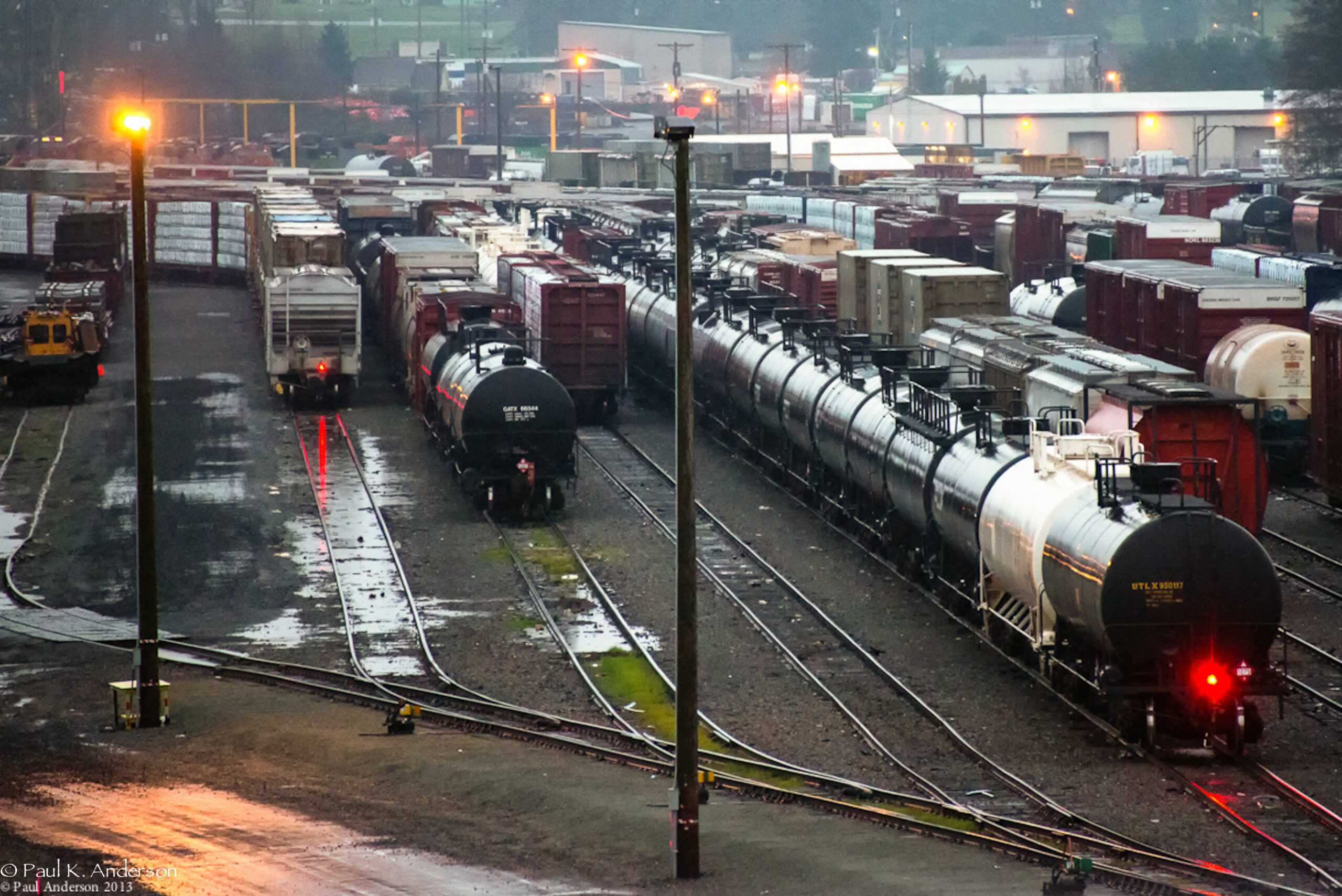
Oil companies and railroads don’t want us to know what they’re up to, but we may be able to find out anyway. Citizens can use their own video camera equipped smart phones to start tracking oil trains. Think of it as crowdsourcing our Right to Know about oil trains.

There’s nothing nefarious about this. In fact, it already happens every day.

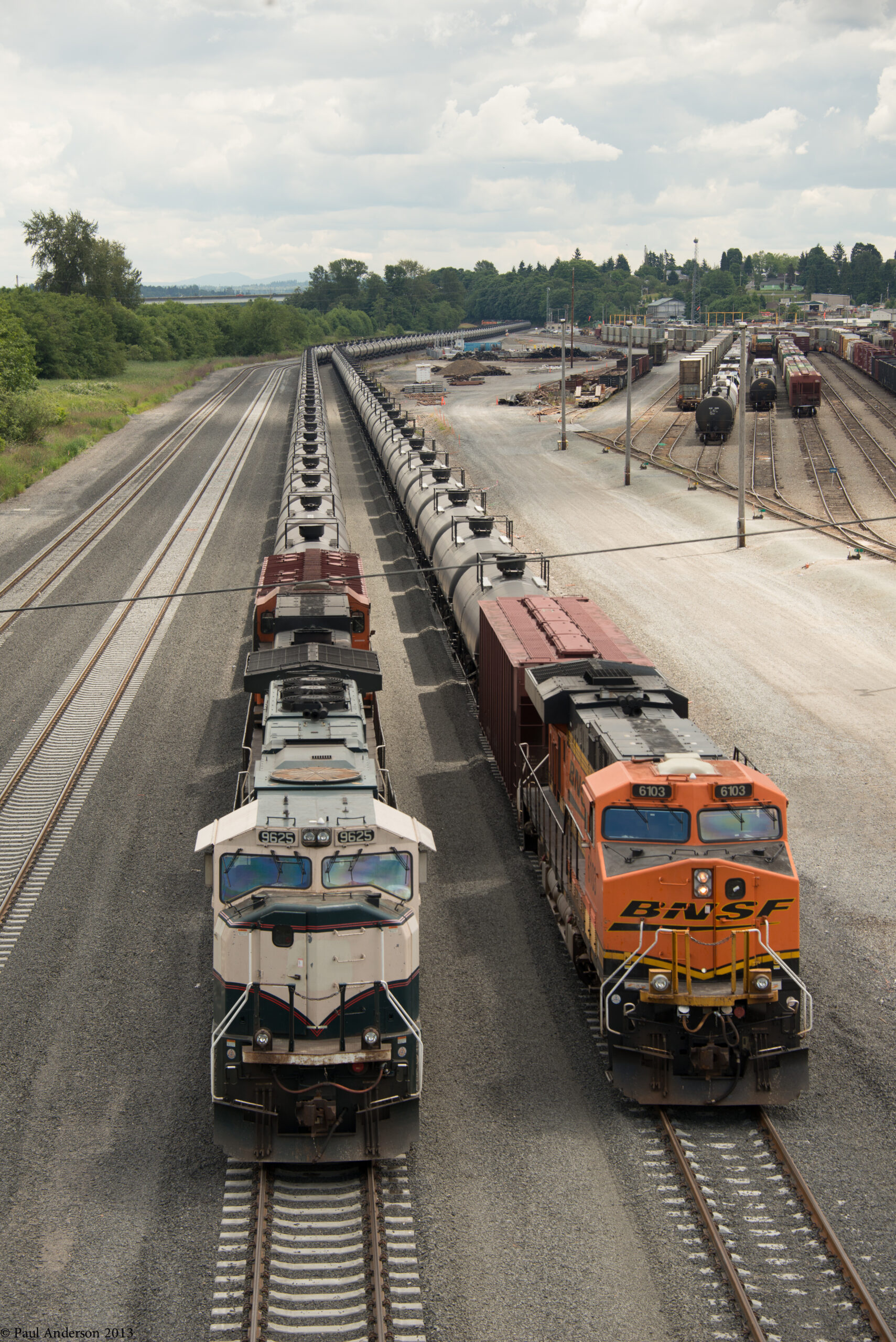
“Railfanning,” as it’s called by enthusiasts, is the hobby of watching and filming trains. You can find numerous videos online posted by dedicated railfans, including some of oil trains in the Northwest. Here’s one of oil tank cars rolling through Burlington, Washington. And another of a BNSF oil train in Vancouver, WA. Here’s one rolling through Mukilteo.

As US Senator Cantwell pointed out in a recent congressional hearing on rail safety, oil trains are traveling through every major population area in Washington (three of which are bigger than the entire state of North Dakota where they originate) as they move “from Spokane down to Pasco through the Columbia Gorge then through Vancouver, then up to Tacoma, and perhaps on through Seattle, through Everett, up to Skagit Country for processing.”

Read more

Running “Off the Rails”

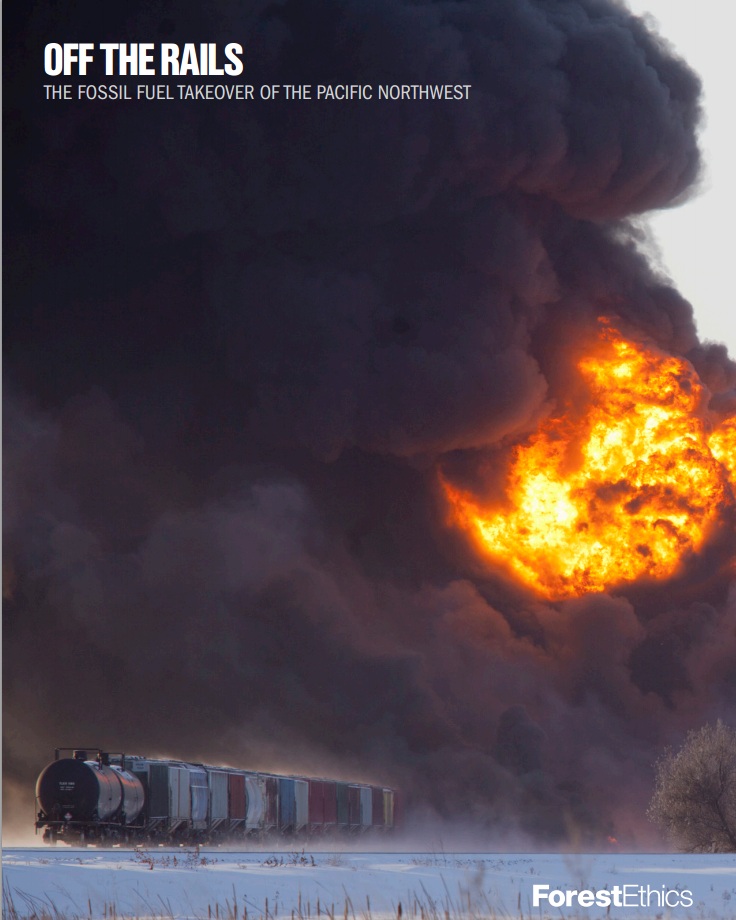
ForestEthics released a new report yesterday, Off the Rails, detailing the threats posed to the Pacific Northwest by the various fossil fuel export projects currently operating in or proposed for our region. It catalogs the serious public safety, public health, pollution, and transportation disruption dangers these projects bring to Oregon, Washington, and British Columbia, as they … Read more

The Man Behind the Exploding Trains

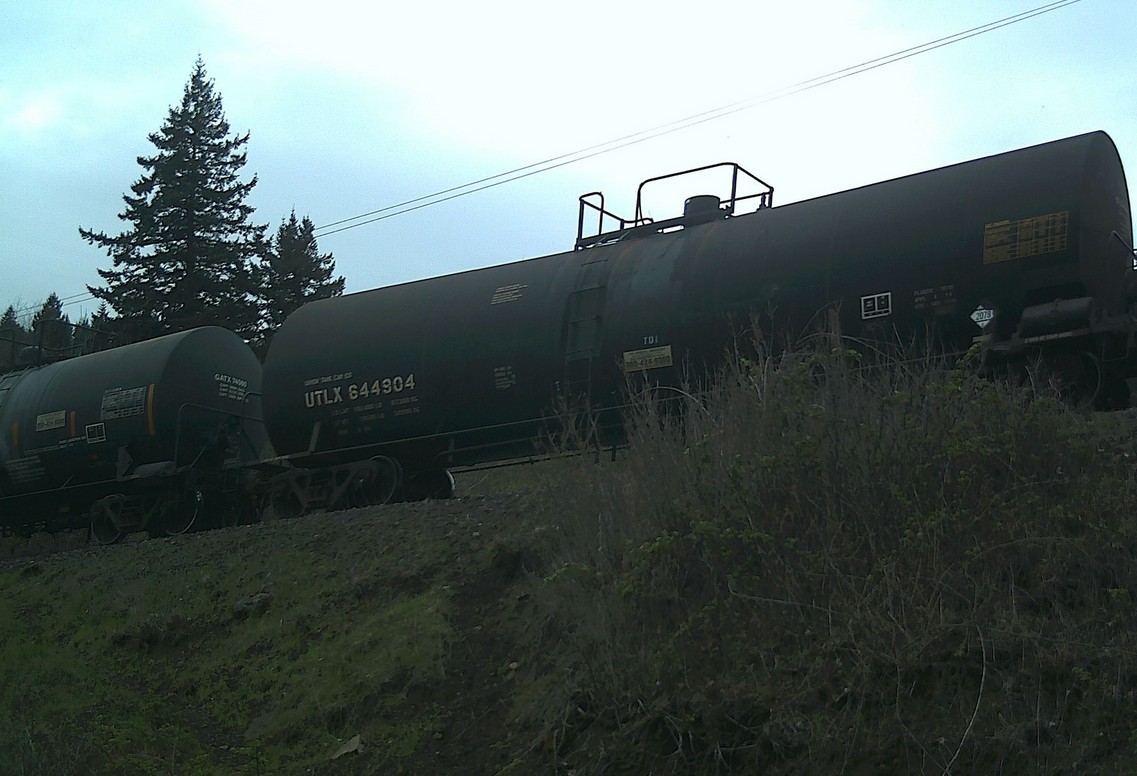
[prettyquote]“Look for the UTLX logo on tank cars when you watch trains roll by. As a Berkshire shareholder, you own the cars with that insignia. When you spot a UTLX car, puff out your chest a bit…” – Berkshire Hathaway’s 2012 Annual Report[/prettyquote]

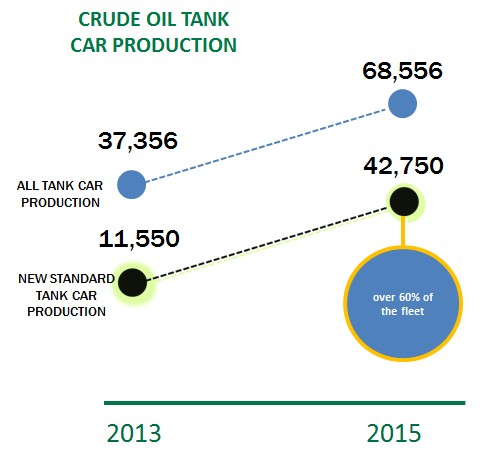
In our previous installment, we explored how unsafe DOT-111s, the Ford Pinto of rail cars, make up the vast majority of oil-filled tank cars now riding the rails in North America. With DOT-111s, there is no margin for error. A serious derailment will almost always lead to oil spills or explosions. But if they are so clearly dangerous, why are these tank cars still on the rails?

The reason, in short, is because the railroad and rail car industries have opposed new safety regulations. (The oil and ethanol industries have abetted their cause.) Citing supposedly onerous costs for retrofitting unsafe tank cars, as well as the related infrastructure to load and unload the products they carry, these companies have successfully argued against rules that would require them to make the upgrades that could prevent the explosions.

Behind many of the industry groups opposing hauling Bakken crude in only safe tank cars is a single figure: Warren Buffett.

Read more

The Growth in Oil-By-Rail in One Picture

Everyone’s talking about how fast crude oil-by-rail shipments have increased, but what does that really mean? The increase has been staggering: In 2013, US railroads moved 11 times more crude oil than all the oil moved by train from 2005 to 2009, the five-year period before oil train shipments began to increase from historical levels. … Read more

Updated Oil-by-Rail Analysis

Editor’s note: The report referenced below is a living document, and Sightline researchers update it regularly to reflect new developments. For the most recent facts and figures, please see the report, The Northwest’s Pipeline on Rails.

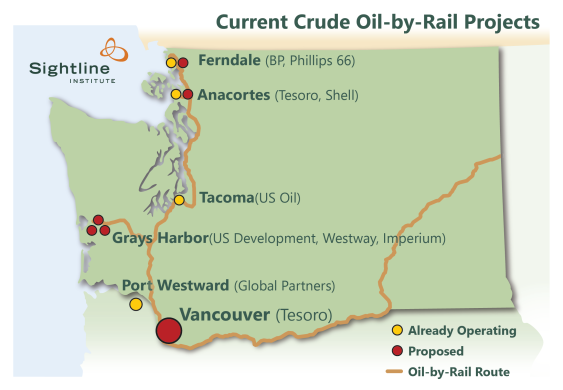
Sightline is re-releasing a popular report: The Northwest’s Pipeline on Rails. It’s the most comprehensive regional analysis of plans to ship crude oil by train. oil_rail_map_021814--150ppiMoving large quantities of oil by rail would represent a major change for the Northwest’s energy economy, and the plans now in development puts the region’s communities at risk.

Why does it matter?

  • In Oregon and Washington, 10 refineries and port terminals are planning, building, or already operating oil-by-rail shipments.
  • If all of the projects were built and operated at full capacity, they would put an estimated 11 loaded mile-long trains per day on the Northwest’s railway system. Many worry about the risk of oil spills from thousands of loaded oil trains that may soon traverse the region each year.

    Read more

×
Privacy Overview
Sightline Institute

More information about our privacy notice

Strictly Necessary Cookies

Strictly Necessary Cookie should be enabled at all times so that we can save your preferences for cookie settings.

3rd Party Cookies

This website uses Google Analytics to collect anonymous information such as the number of visitors to the site, and the most popular pages.

Keeping this cookie enabled helps us to improve our website.

Additional Cookies

This website uses social media to collect anonymous information such as which platform are our users coming from.

Keeping this cookie enabled helps us better reach our audiences.