

Takeaways
- Extra-large apartment buildings—high-rises and towers developed under transit-oriented development policies—are great, but they’re a) slow and costly to build and b) geographically restricted to small slivers of a city’s land, often the busiest, most polluted corridors.
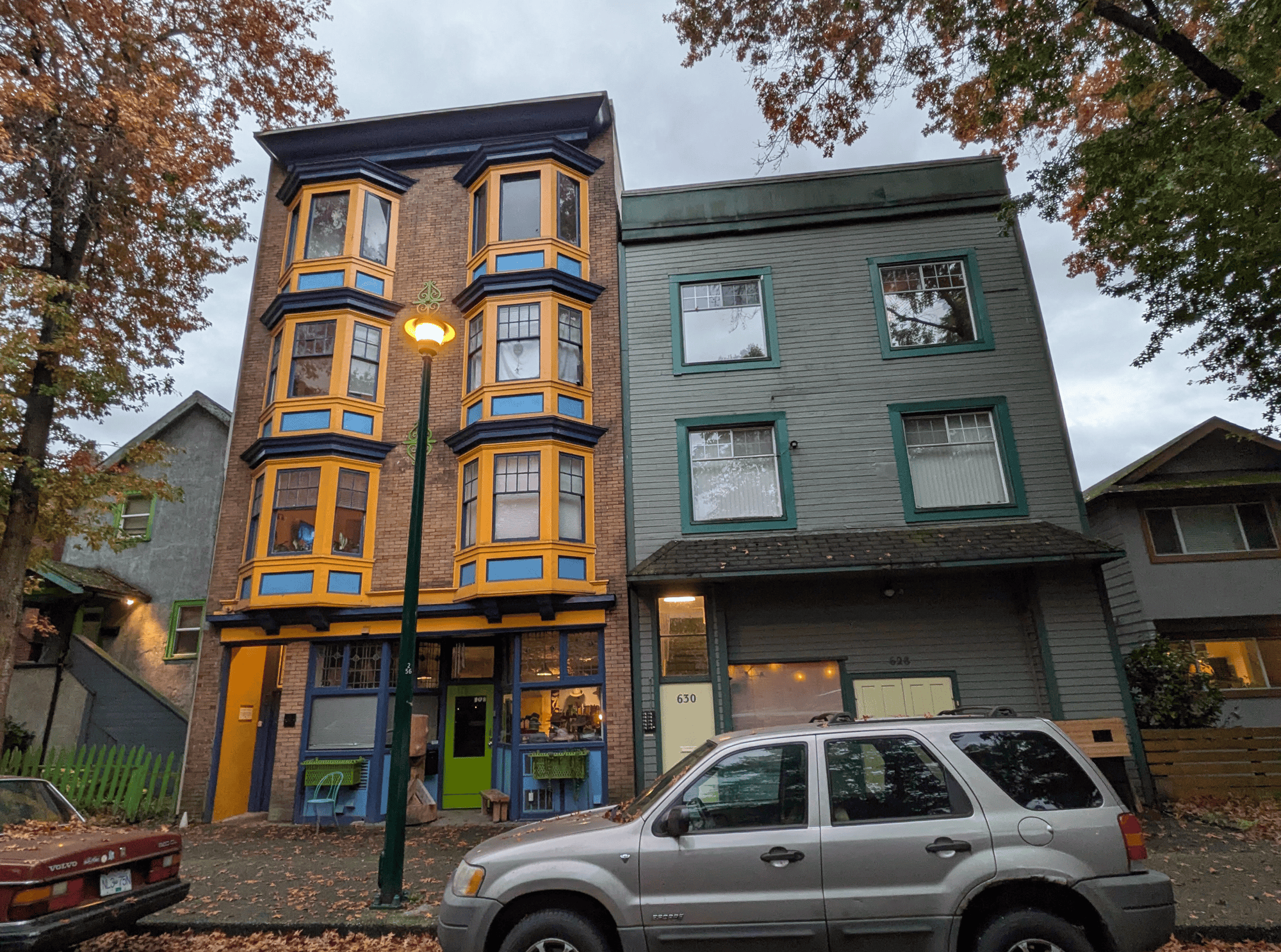
- If the region’s leaders were serious about building more homes fast, there’s an answer in plain sight: small apartment buildings, allowed citywide—just like they used to be, before zoning rules banned them on most urban land.
- Small apartment buildings, typically fitting on a standard single lot and no taller than a mature tree, have numerous advantages: they’re faster, cheaper, a better use of construction workers’ time, and a big opportunity for small local builders. Plus, obviously, they house more people per acre than single-detached homes.
- Re-legalizing small apartment buildings in all neighborhoods would help more people find homes this decade, not the next.
Find audio versions of Sightline articles on any of your favorite podcast platforms, including Spotify, YouTube, and Apple.
Speed matters. And to people looking for a home today, it matters a great deal whether that home is built next year, or in ten. If Cascadia’s leaders really believed in speed, then they would focus more on re-legalizing small, neighborhood-size buildings with 6 to 12 homes each. But despite recent reforms, small apartment buildings remain illegal almost everywhere in Cascadian cities and across North America.
Meanwhile, advocates and leaders in the region have legalized medium-sized and large apartment buildings via transit-oriented development, which smartly co-locates new apartment homes alongside transit infrastructure. California now allows up to 9 stories next to major transit stops, Washington up to 6, and British Columbia up to 20. This is praiseworthy progress, but it’s limited to larger buildings that will take many years to plan and build.
An example from our pro-housing forbearers illustrates just how long we might wait for larger projects to materialize: in 2014, 31-year-old Graham Jones spoke hopefully to Vancouver City Council and then-Mayor Gregor Robertson, pleading for more homes at the old Oakridge Mall site. Jones asked council to “please consider that this project will be phased in over the next 10–15 years. It will represent current city residents, but also many who are not represented today.” That was 11 years ago; Robertson is now the federal housing minister; and no one has yet moved into the Oakridge development.
The fastest way—the only fast way—to build a lot of homes is simple: re-legalize small apartment buildings, generally no taller than a mature tree, in all neighborhoods, just like they used to be. All other solutions ask today’s beleaguered 31-year-olds to wait many years to see results. For politicians working within four-year electoral windows, moving fast means thinking small. It’s the only way to deliver the new homes their constituents need within a single term of office.
Big projects are not delivering enough homes
Small apartment buildings have been all but illegal to build here in Vancouver for nearly a century. City leaders began implementing zoning restrictions in the 1920s “largely to prevent the intrusion of apartment houses in single- or two-family areas,” wrote Harland Bartholomew, who drew Vancouver’s first zoning map. In the US, the Supreme Court justified zoning regulations in 1926, writing “the apartment house is a mere parasite.”
As a result, much of Vancouver’s planning energy has gone into transit-oriented towers, often on old industrial sites, limiting new homes to fewer centralized nodes. This political compromise has been in place locally for decades, known as The Grand Bargain: exclusively zoned land remains so, while towers on busy streets accommodate some growth, aka “high-rise density, low-scale suburbia, little in between.”
The Grand Bargain promises new homes. Just not built quickly, or in the nicest places, or at the lowest cost. It’s an attempted sleight of hand by civic leaders: they promise greater access to nice homes in desirable neighborhoods, but they deliver large apartment buildings, slowly, on just 10 percent of the city’s land.
Large apartment buildings on busy streets are wonderful; this article was written in one. But zoning that proscribes the housing types between towers and single-detached homes leaves much of the land in our cities off-limits—and many residents or would-be residents without affordable options to call home.
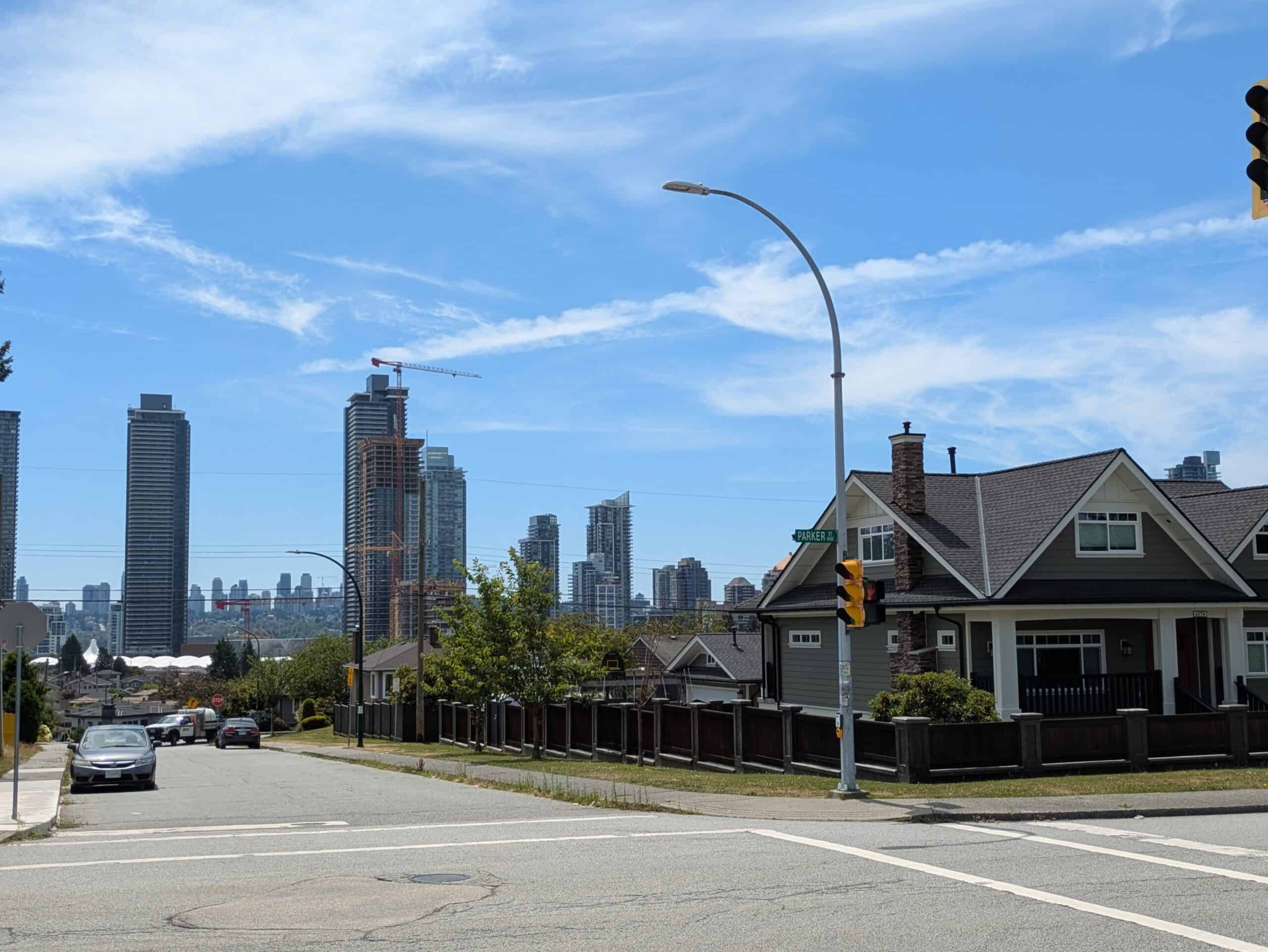
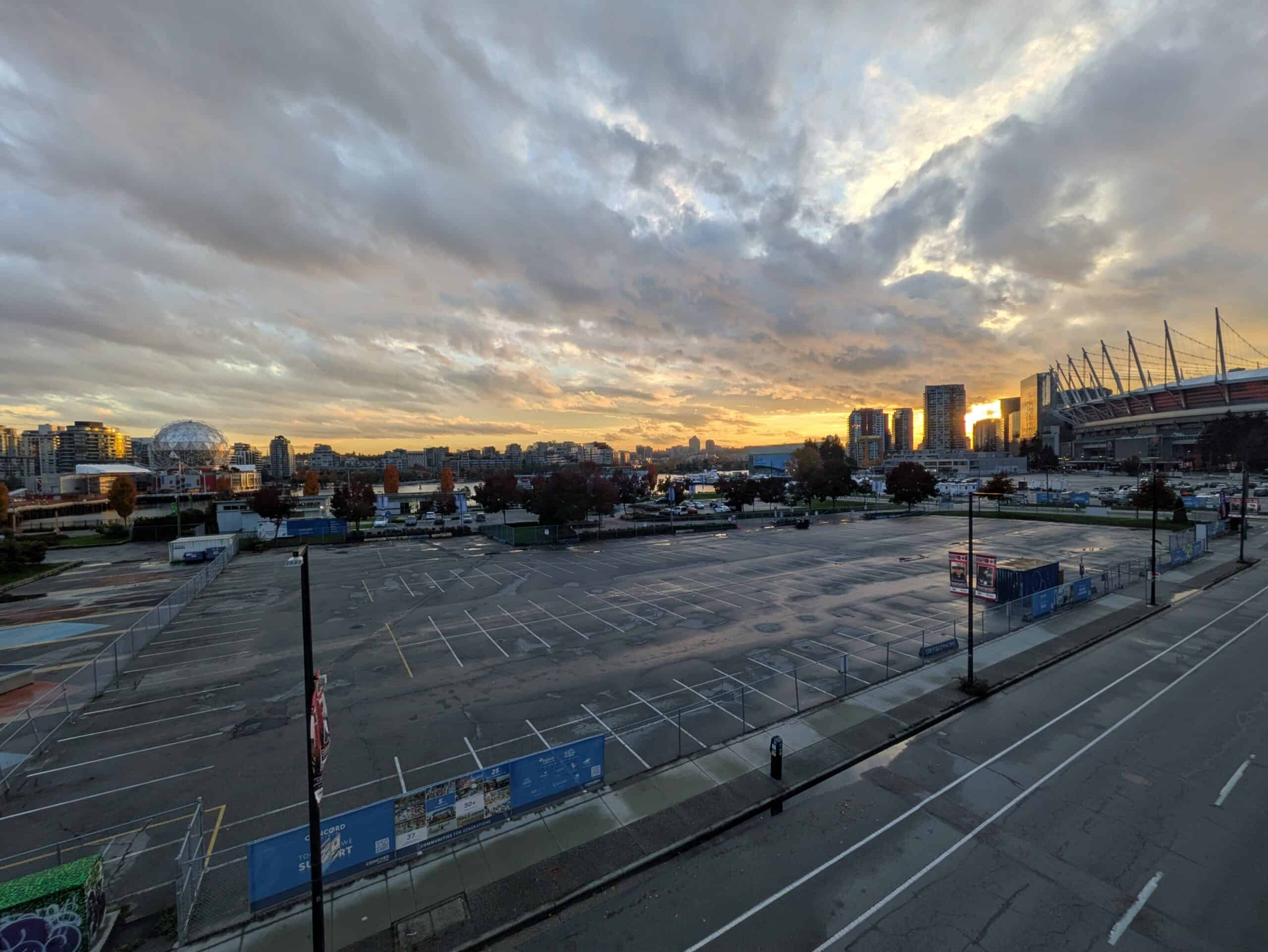
The redevelopment of False Creek’s north shore by Concord Pacific is Vancouver’s largest and most significant example of Grand Bargain planning. It was a visionary project that reshaped the city for the better and gave Vancouver its iconic skyline. But this project also underlines how long even successful megaprojects can take to deliver the full measure of homes they promise. At the site’s eastern end, fully 40 years after it broke ground, 380,000 square feet of prime, waterfront land still sit barren and undeveloped.
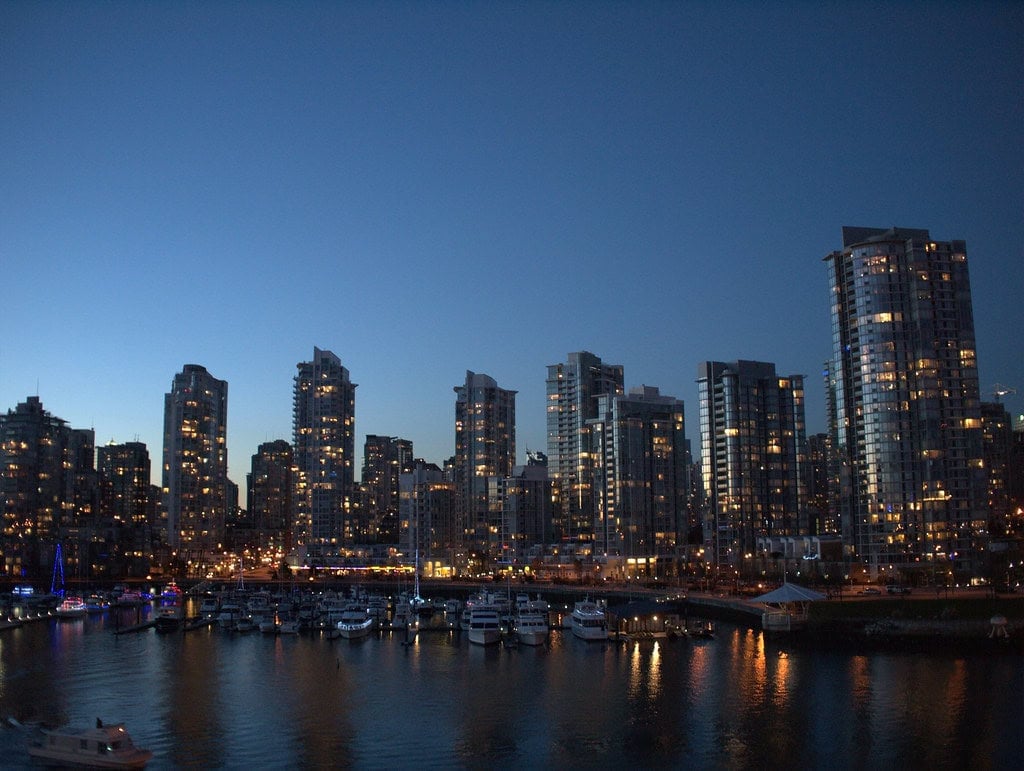
A similar story has played out at the still unfinished Oakridge Mall redevelopment mentioned in this article’s opening. Its saga began in 1995, the year Coolio’s “Gangsta’s Paradise” ruled the airwaves. The 1995 Oakridge Langara Policy Statement was meant to “take advantage of large sites for additional density, and to ensure that new development fairly contributes to maintain the levels of amenity enjoyed by the community.” Thirty years later, no Vancouverites yet call it home or enjoy its community amenities.
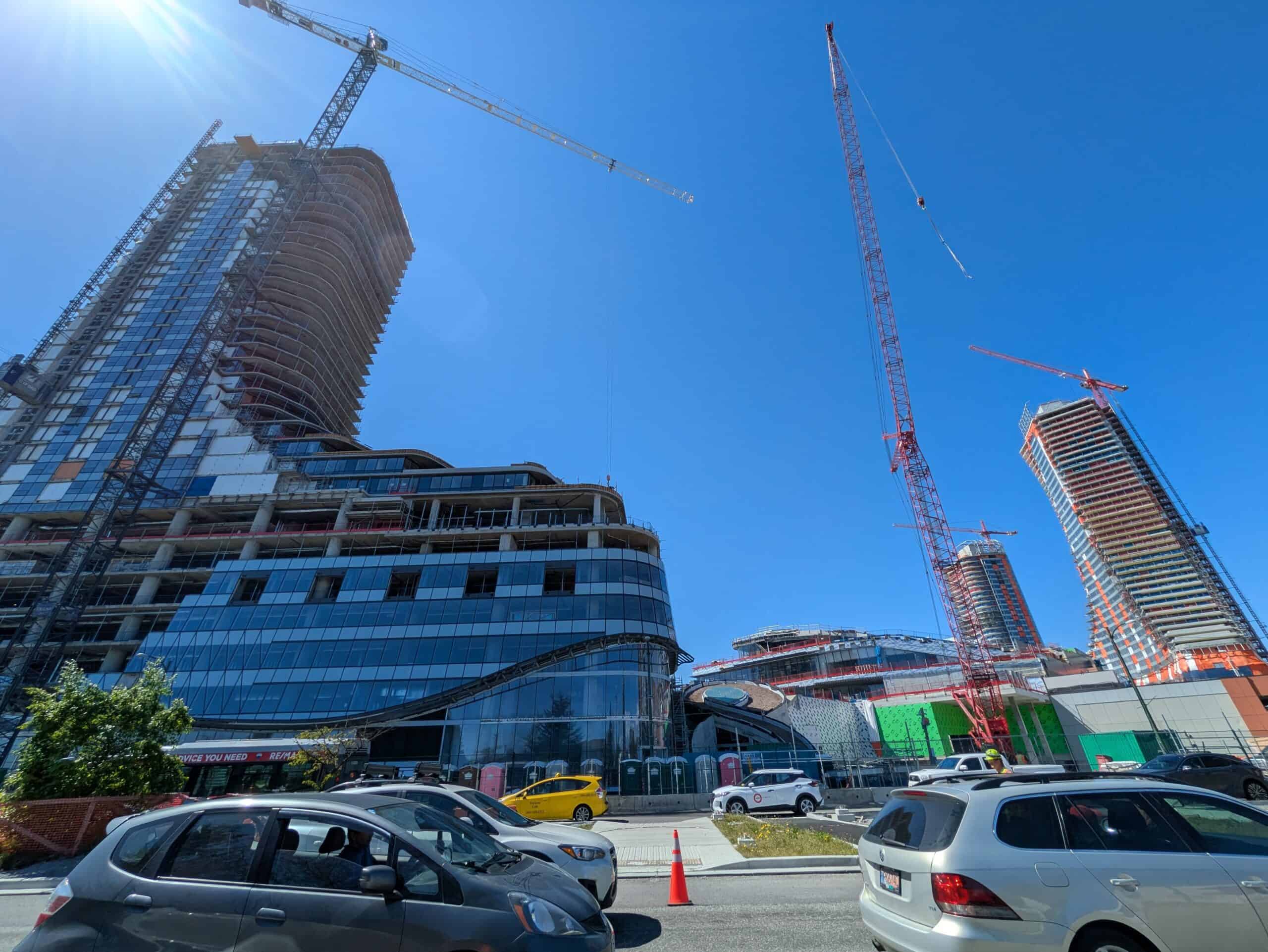
Large projects like Oakridge Park, which now aims to open in 2027, appeal to planners who want to manage and control every aspect of new development, because only large projects can bear such scrutiny. For a $1 billion project, this extensive public management isn’t necessarily bad. But forcing a $5 million project through that same discretionary planning regime is impossible. The friction and cost render smaller projects uneconomical, effectively eliminating the small-scale, locally led development that cities also need.
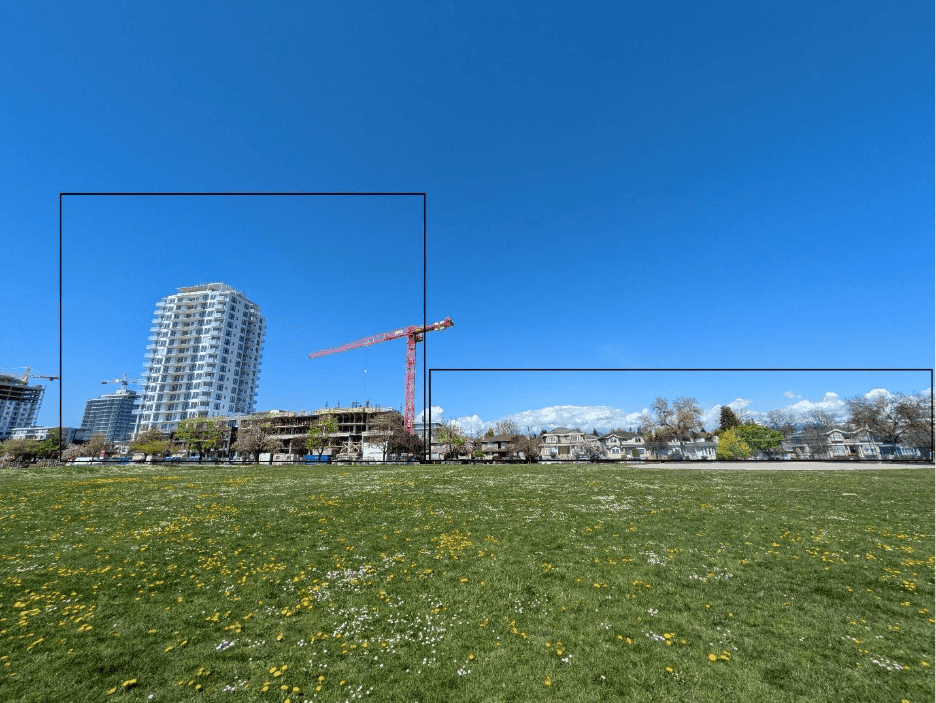
In Vancouver and its region, this has led to a “tall and sprawl” development style, with high-density, complex projects at nodes (the left-hand box in the image below), surrounded by a sea of increasingly expensive detached homes (the right-hand box):
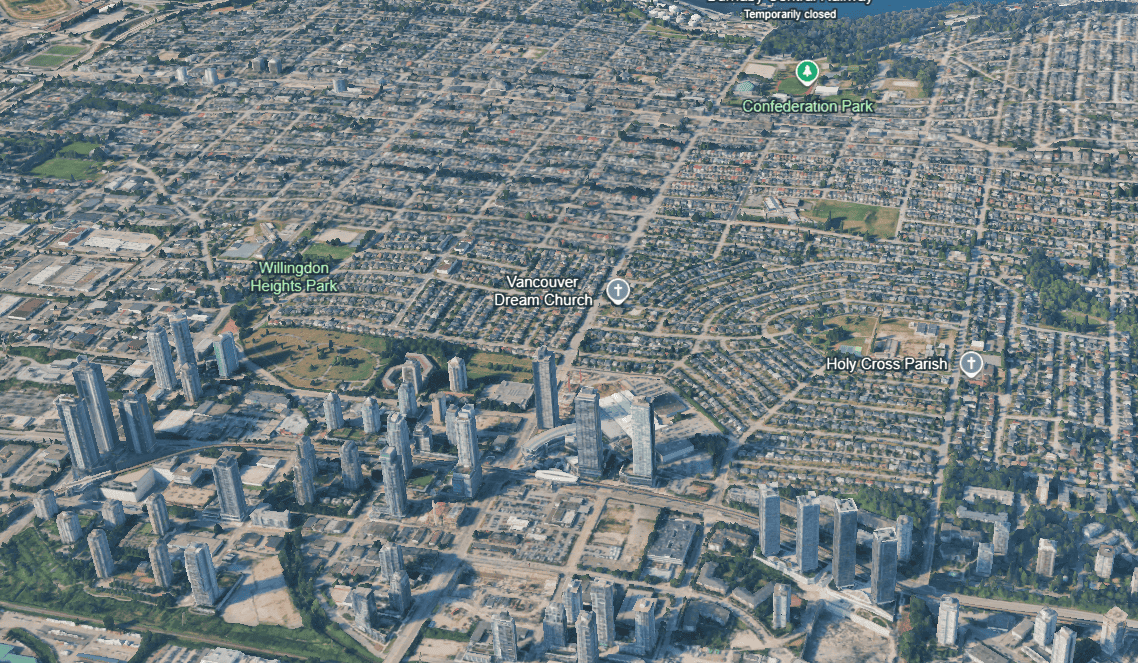
Rather than try to jam all new homes onto a few huge lots, often on busy, polluted streets, cities could let local builders construct small apartment buildings—and give residents that more affordable option—throughout the city’s neighborhoods.
Just like they used to.
In photos: Vancouver used to build lots of small apartment buildings
So what counts as a small apartment building? And what do they look like? Generally, they’re apartment buildings with footprints as small as 4,000 square feet that fit on a single conventional city lot, or sometimes across more than one. These exist in Vancouver (as in most cities), but almost all of them are around 100 years old. They were built in a brief window when Vancouver was booming, but before leaders banned them through zoning.
First off, here are three lovely apartment buildings in Fairview, built in the late 1920s on standard 50-foot west side lots in Vancouver:
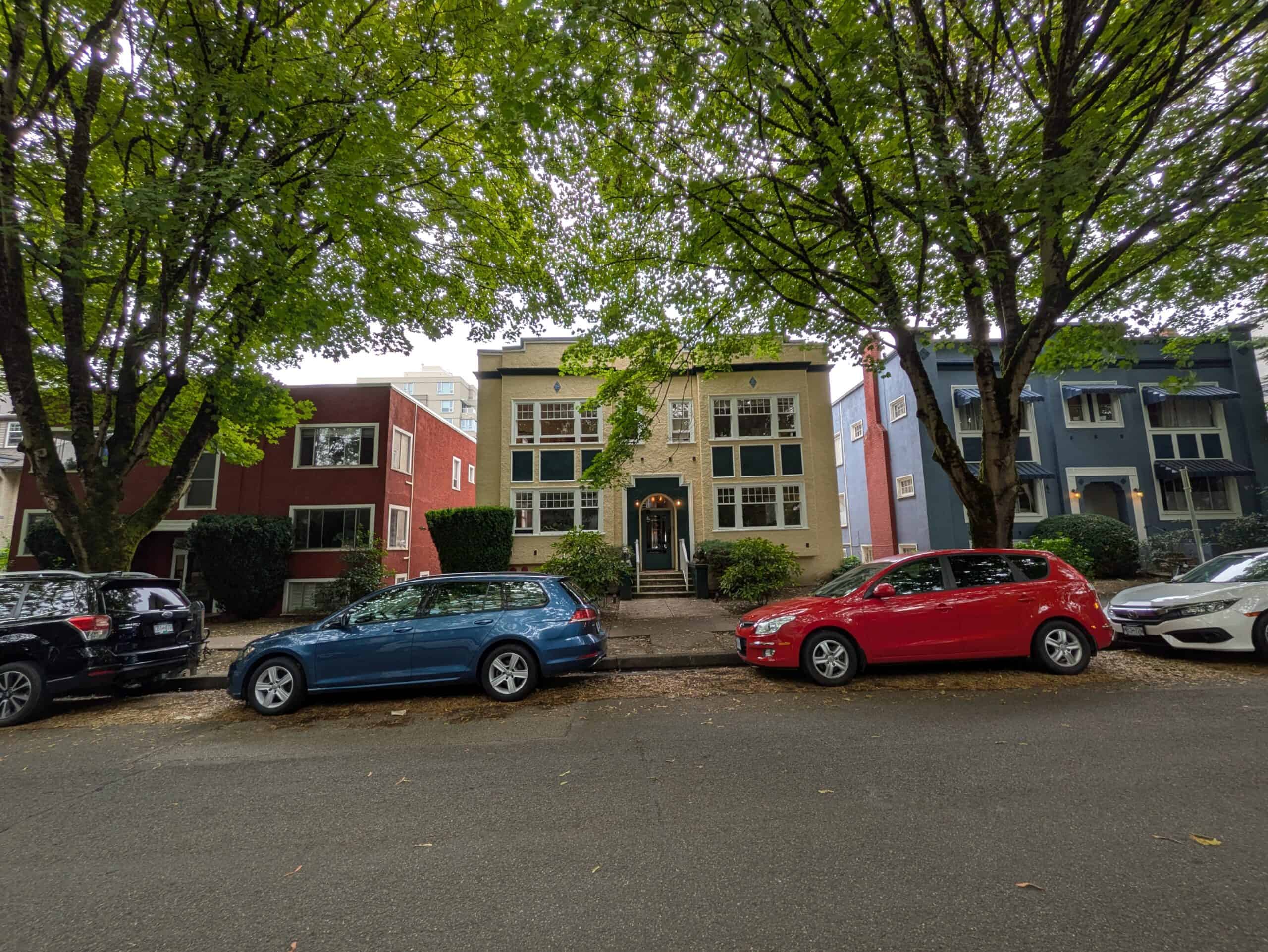
Many East Vancouver lots are only 33 feet wide, not 50. That’s no problem. Below are four more century-old small apartment buildings, including three on these smaller, 33’x125’ lots. Some even have what’s called single-stair design, which means more cross-breezes and natural light for each home. After a decades-long ban, British Columbia re-legalized single-stair design for buildings up to six stories in mid-2024.
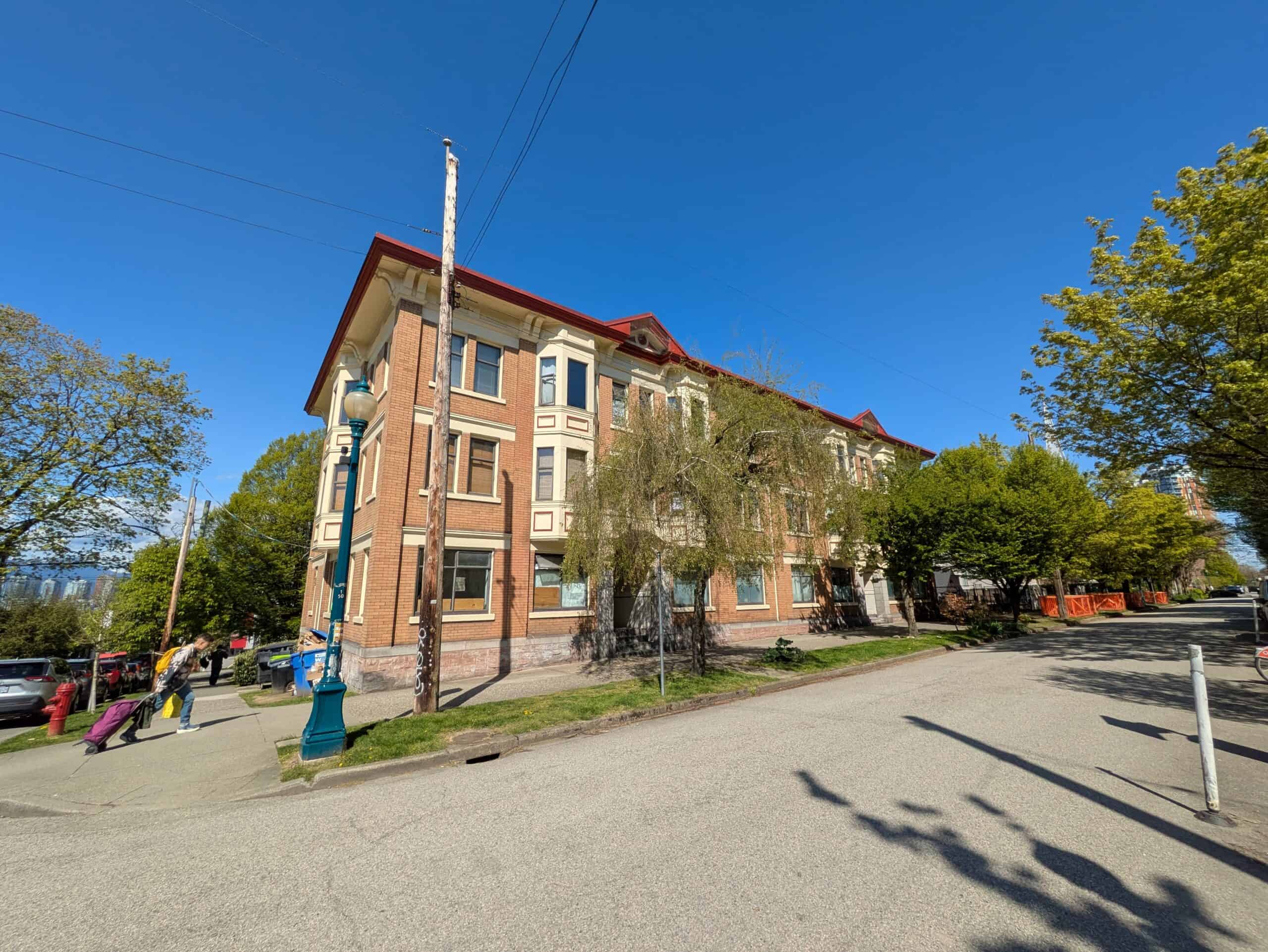
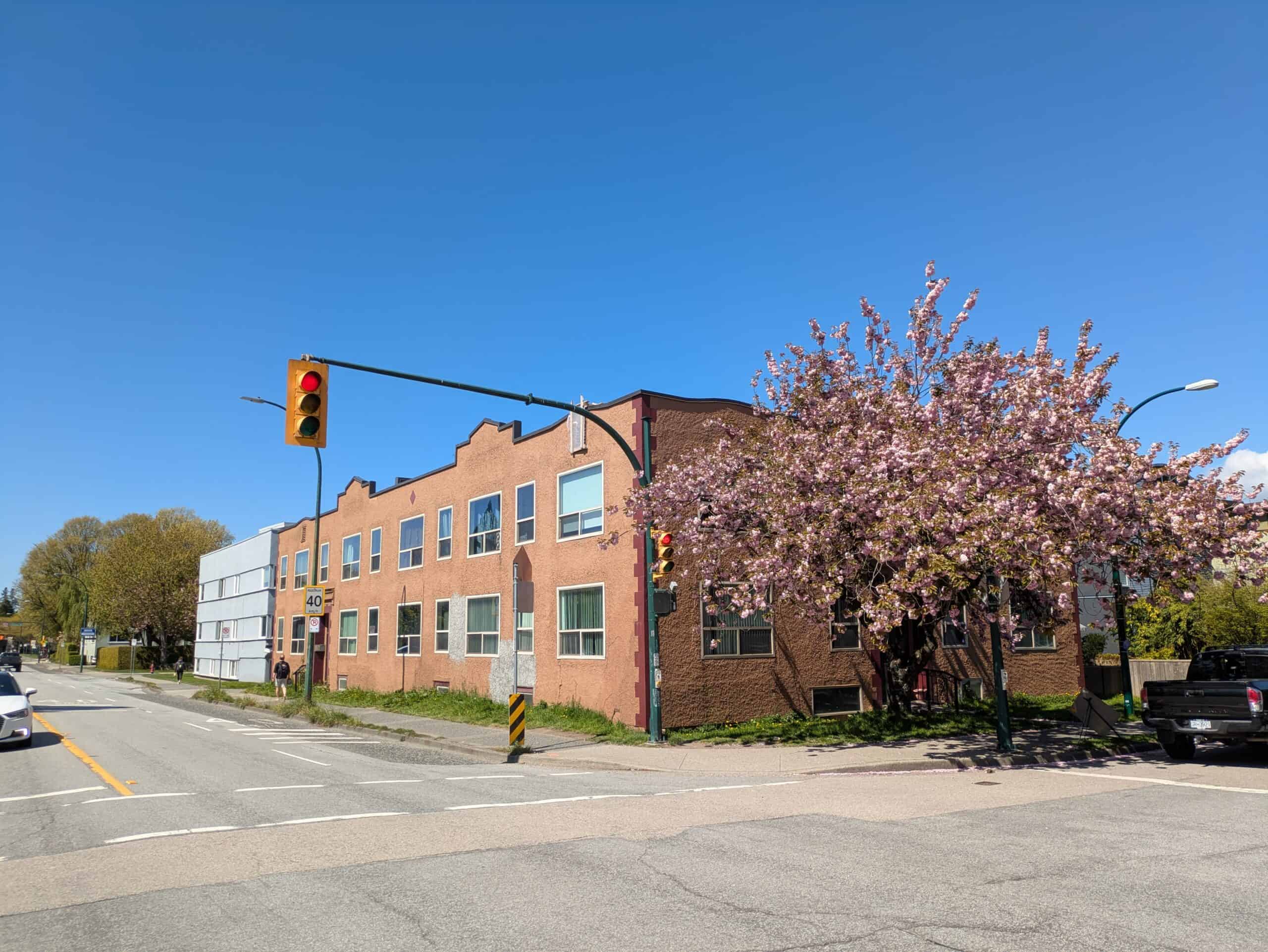
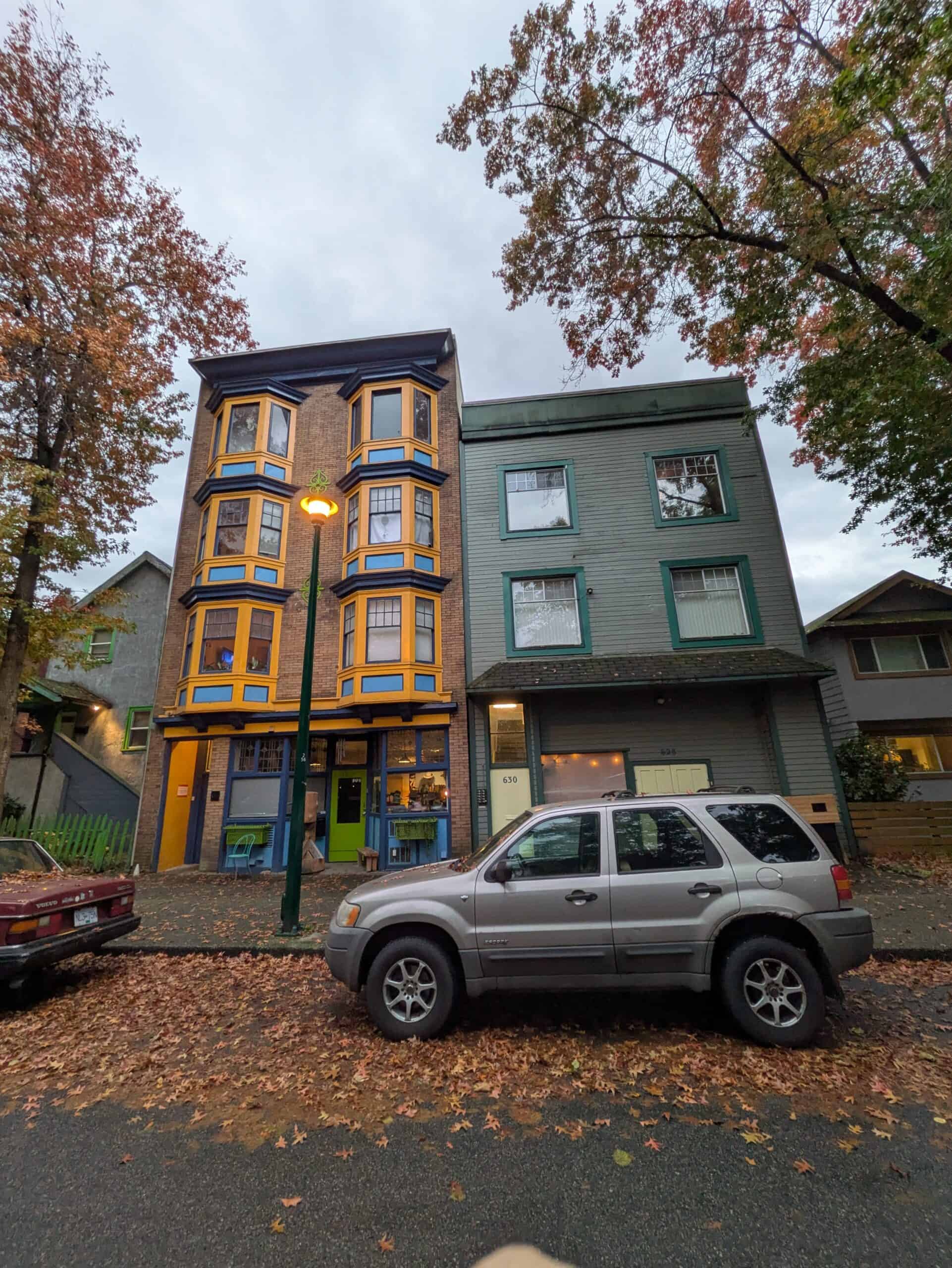
You can even make these small apartment buildings resemble surrounding detached houses, like the below one in Vancouver’s Mount Pleasant neighborhood. Don’t let the pointy roof fool you: this is a small apartment building. Built in 1905, with eight rental homes plus a basement storage area, it’s home to many more Vancouverites than the detached homes next door, merely because it is one story taller than most and sits a bit closer to the edges of its property.
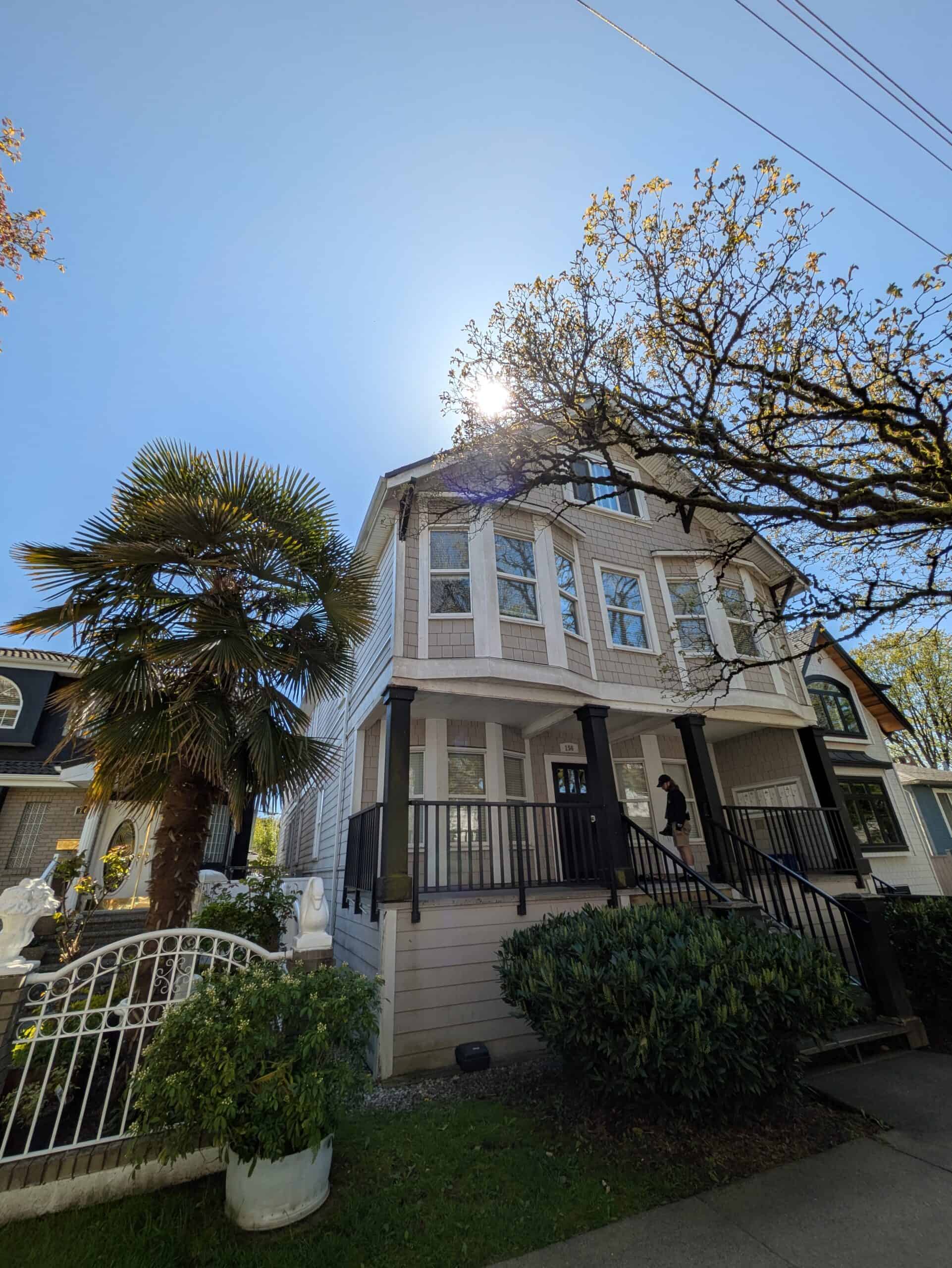
More modern small apartment buildings in Vancouver are rarer yet, but they do exist. While they have been broadly illegal since the 1930s, heritage preservation policies with “density bonuses” have sometimes permitted them—meaning a builder preserves key elements of an older building while refashioning it to include more homes:
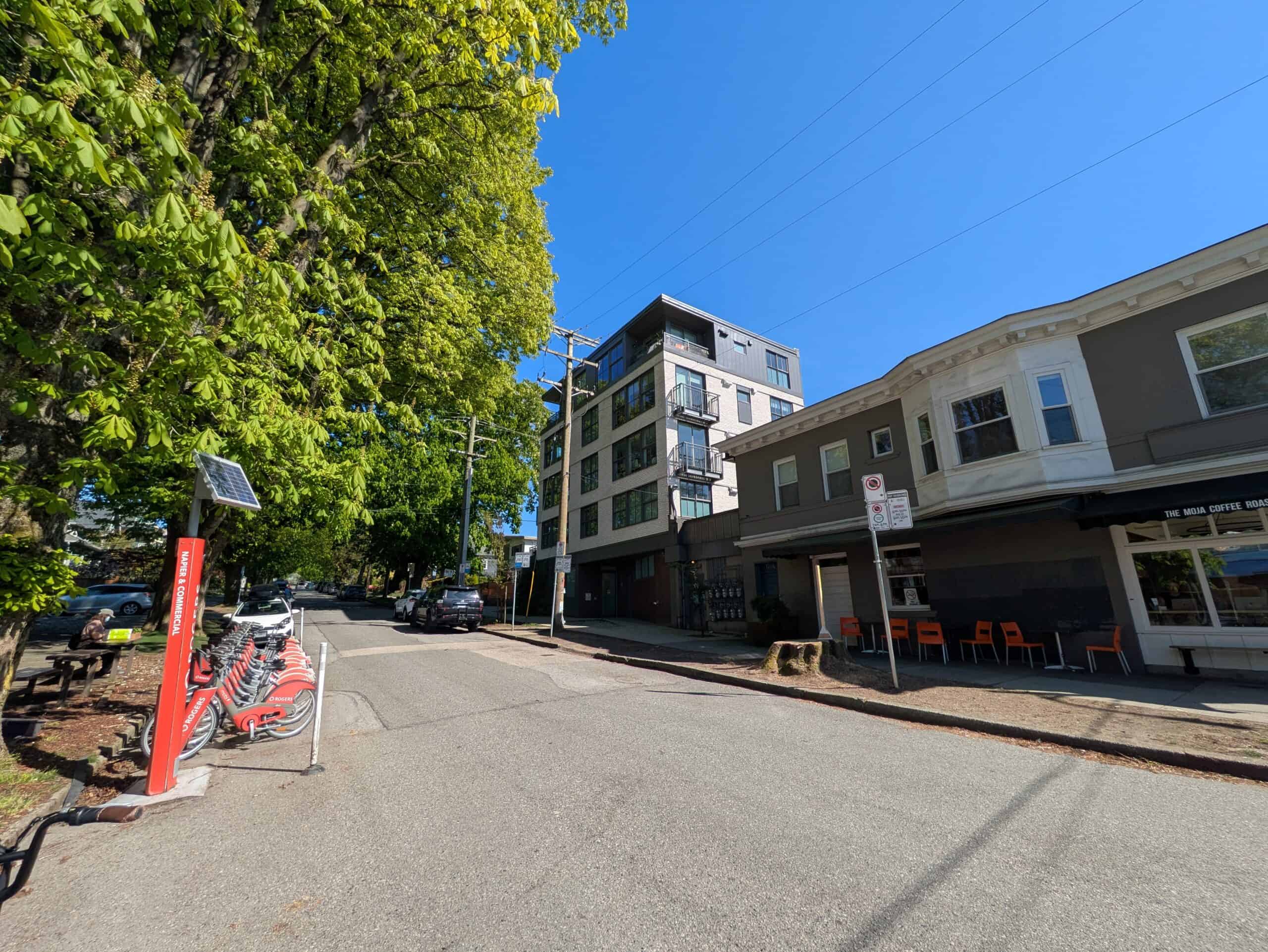
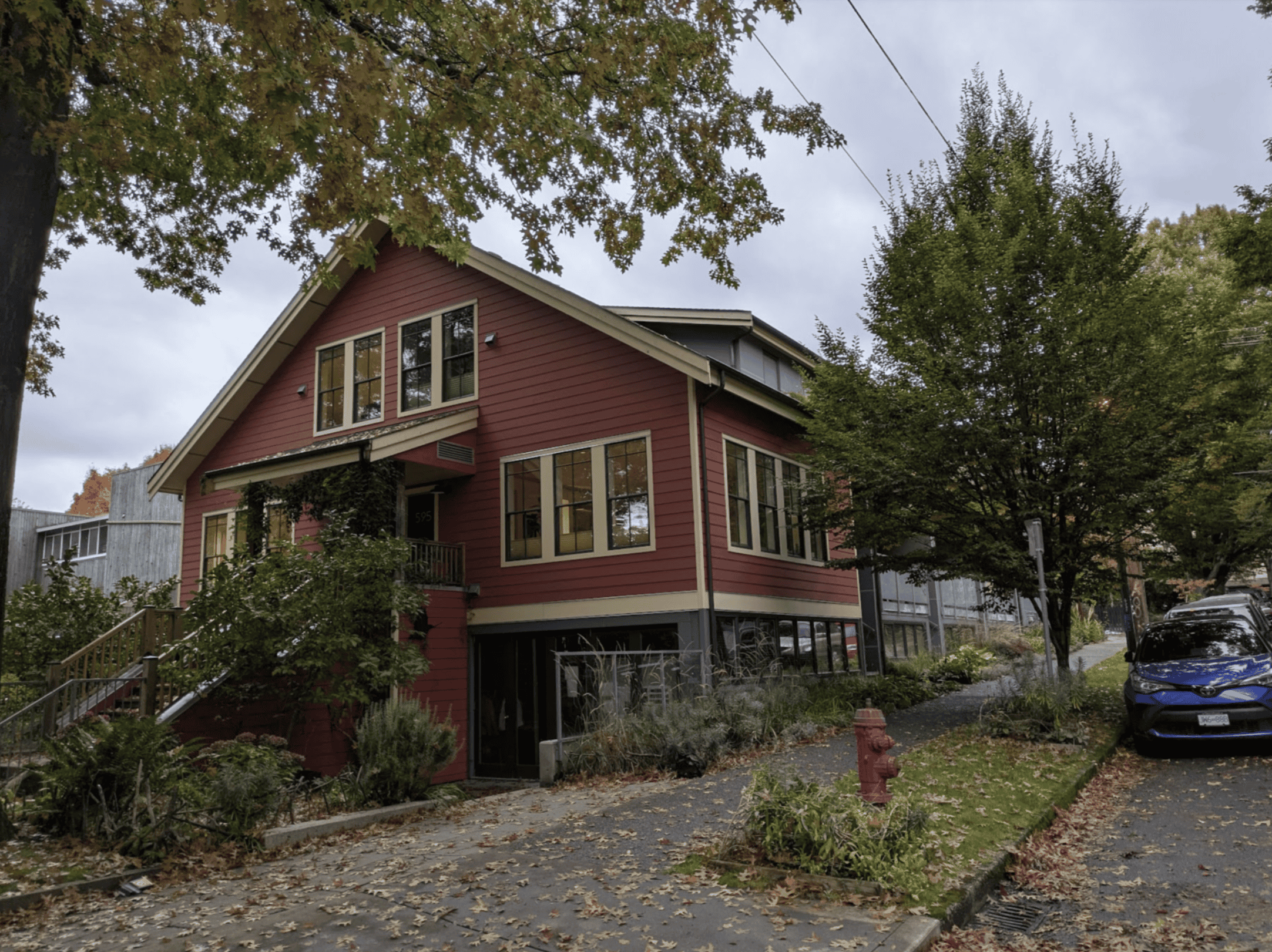
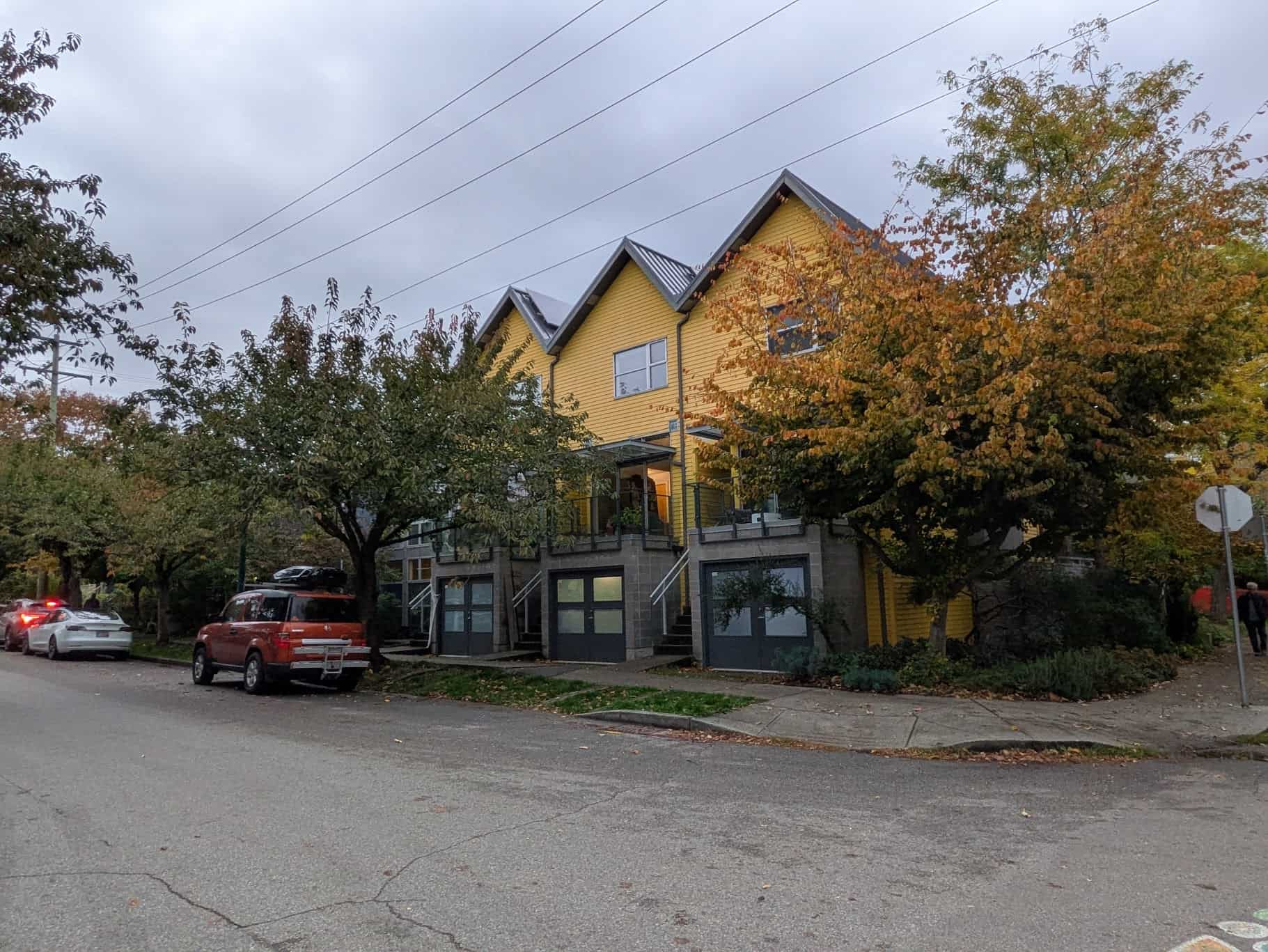
Vancouver has treated this kind of housing as something to be doled out carefully, a harmful occurrence to be traded in return for valuable heritage preservation. But there’s no inherent reason that small apartment buildings need to be linked to heritage. Nice, modern buildings of this type are possible. Here are some examples of what they might look like:
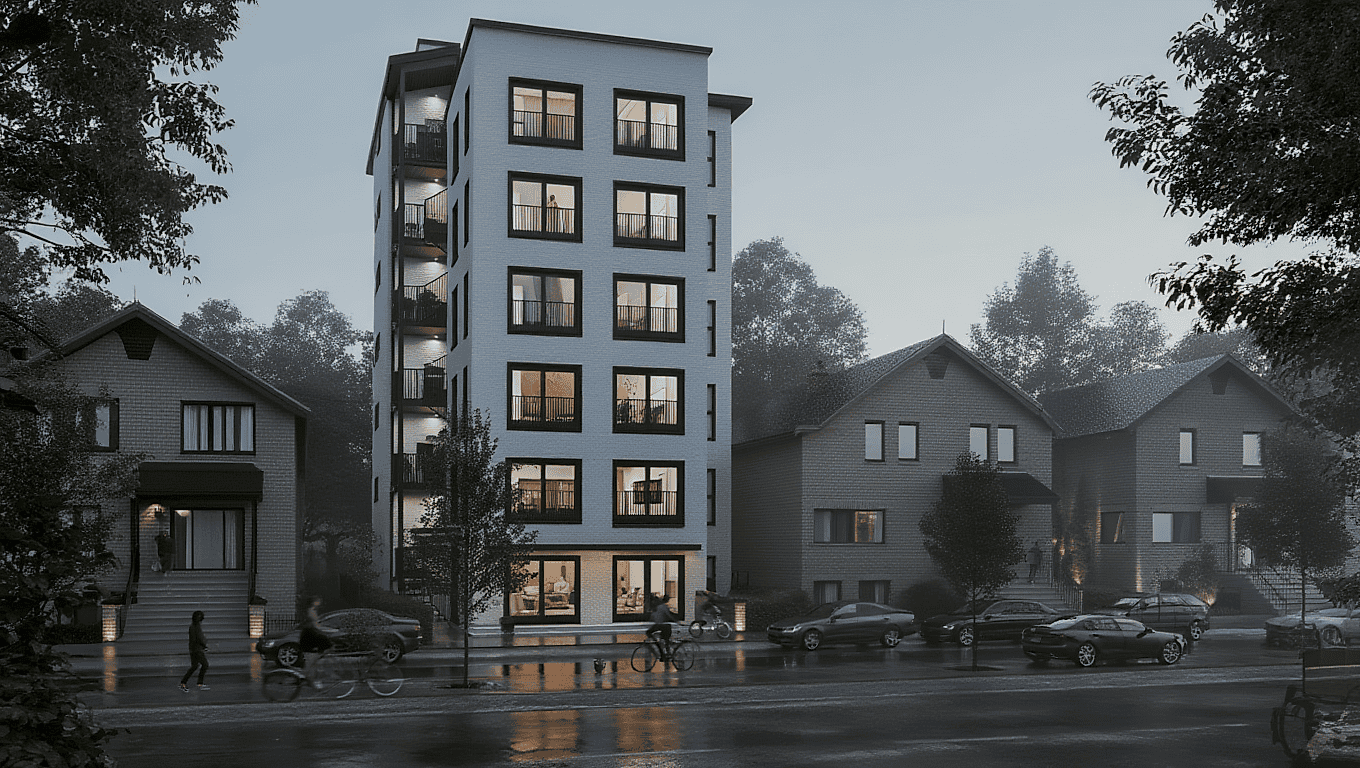
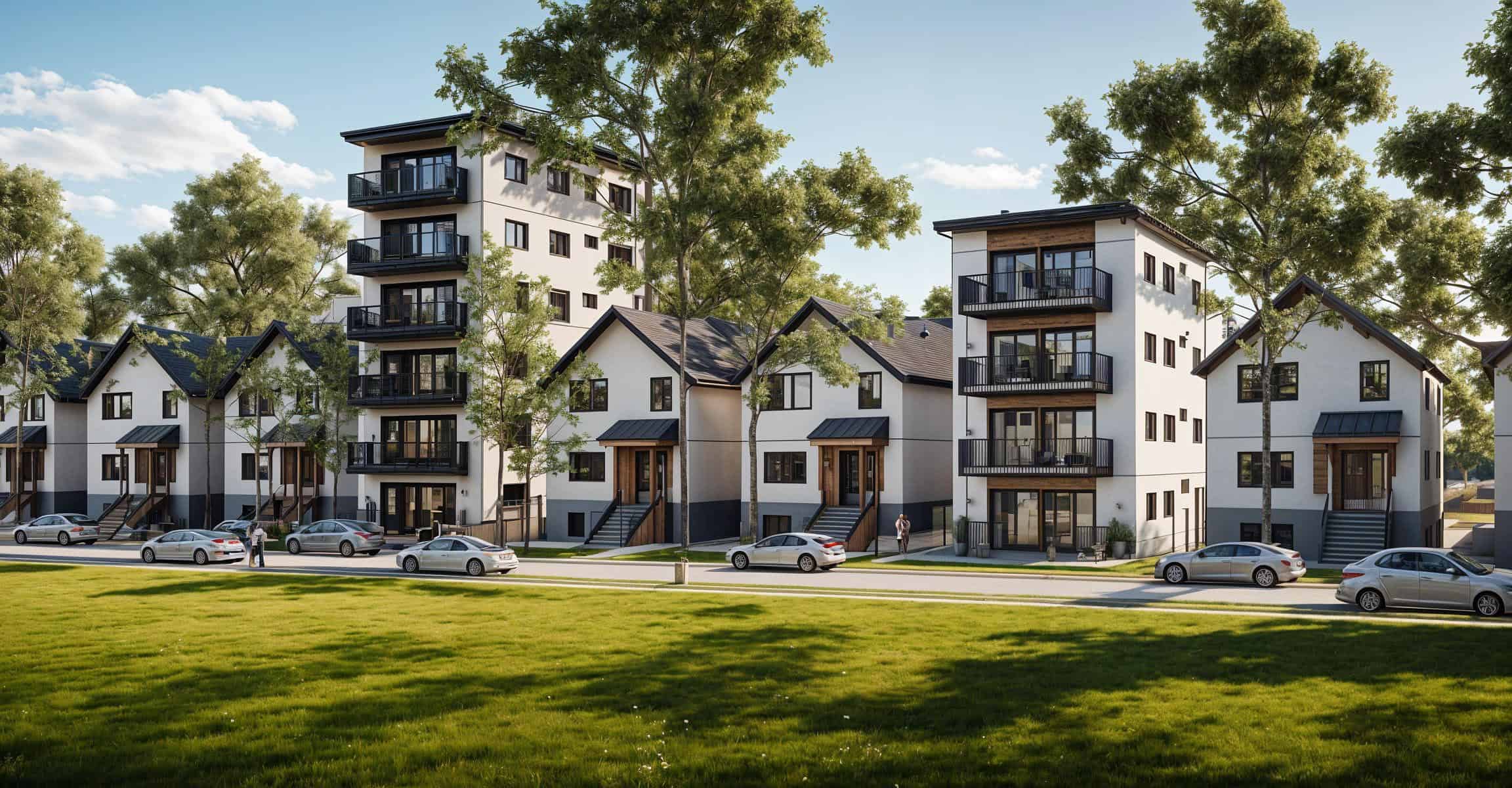
Unfortunately, most of the above homes have been illegal to build in Vancouver for nearly a century. Before city leaders banned them through zoning, small apartment buildings flourished throughout many North American cities, including Vancouver—and they should do so again.
The benefits of small apartment buildings
Small apartment buildings are not just fast. Compared to larger projects, they are also cheaper, more democratic, less monopolistic, better uses of workers’ time, and more responsive to shifts in housing demand.
Faster
With no need to assemble neighboring lots, no rezoning process, no subterranean parking garage, and just one or two primary contractors, a wood-frame apartment building can go from concept to move-in day in under three years.
Cheaper
Time is money, so all the time savings above mean that small apartment buildings can be viable at today’s home prices—unlike the towers that rely on ever-rising future prices to justify their cost.
Materials are also cheaper, since small apartment buildings can be built of wood, not concrete or steel. The Altus cost guide estimates that wood-frame condos can be built for as little as $275 per square foot in Vancouver, while 13–39-story buildings are 30 percent more expensive to build. Those savings would help small projects survive today’s high lending and material costs and keep construction going even at lower sale prices.
More democratic
Building a steel tower can take hundreds of millions of dollars. Building a short stack of homes on a small lot is a much smaller-scale project, accessible to many more homeowners and builders. Broadly re-legalizing neighborhood apartments would give tens of thousands of Vancouverites trying to maintain old houses a chance to emulate Athens’ polykatoikias, a typology in which homeowners often swap their land for a home or two in a brand new small apartment building on same site.
Less monopolistic
There are only a few developers with the capital and experience to redevelop a large shopping mall like Oakridge. But there are potentially thousands of builders in the region who could transition from detached home construction and renovations to more small-apartment-building construction, providing a broader, more competitive base for the sector.
More homes achieved out of construction workers’ time
Builders often warn of a shortage of construction labor, but they’re missing a huge chunk of people working in plain sight. That’d be the large part of the construction labor force currently employed in building, renovating, tearing down, and rebuilding detached homes. In 2019, 57 percent of newly built housing in the City of Vancouver was either detached houses (replacing old ones), or laneway homes.
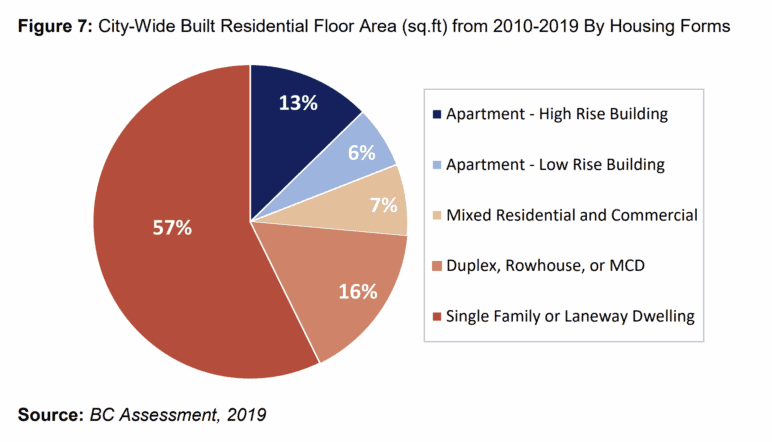
Instead of spending a million dollars to tear down a single detached house and replace it with another single detached house, a robust market for small apartment building construction could channel more of workers’ precious time and skills toward projects that achieve more homes.
More responsive to changing local needs
One perennial problem for setting housing policy is that demand for housing can shift quickly. Economic or migration booms happen in a matter of months, while building homes takes years.
Permitting small apartment buildings closes the gap between demand shocks and the supply response, helping builders respond more quickly. In Auckland, for example, a broad-based rezoning led to rents being 28 percent lower than they otherwise would have been, just six years after the policy change.
More homes—in every neighborhood
Vancouverites have seen years of exciting promises to open more of the city. In 2007, Vancouver mayoral hopeful Gregor Robertson promised to “end homelessness.” Under his eventual mayoralty, City Council passed the Housing Vancouver Strategy in 2017, which committed to a “greater diversity of forms in our ground-oriented housing stock.”
Vancouver’s next mayor, Kennedy Stewart, passed the Vancouver Plan in 2022, which was meant to “expand housing choice in all neighborhoods” and to “transform low-density neighborhoods to include housing choice for all income groups.”
The current governing party in Vancouver, ABC, similarly promises “more affordable homes located across the city,” and “missing middle, multi-unit houses across the city.”
Vancouver, in short, has talked for years about building in exclusionary neighborhoods. But to quote Burnaby Green Party councillor Joe Keithley, “talk minus action equals zero.”
So what’s the action been? Well, Vancouver passed a multiplex policy—that is, rules for small apartment buildings—in 2023 that was more restrictive than provincial guidance. Since then, only an estimated 150 lots redeveloped each year in projects allowed to be just 16 percent denser than before multiplexes. It’s been worse in Victoria, which in 2023 proudly announced it would allow six homes on any lot but added so many obstacles in the fine print that the city has received zero applications to build any at all.
Undercutting actions like this make for a Potemkin housing policy. It is housing policy for ants. It offers the appearance of a solution but is carefully calibrated not to help too much. One hundred fifty multiplexes a year cannot solve the housing shortage for Vancouver’s 350,000 renters. The city’s leaders have now logged more than a decade of eloquent public pledges to add homes to single-family areas, but they have little to show for it.
Truly legalizing housing would open vast areas of Vancouver to modest, pleasant homes for regular people. If leaders do this by once again allowing small apartment buildings city-wide, residents might actually see some built this decade.
Related: Five Reasons Four-Story Apartment Buildings Are Good | Especially in Oregon and the rest of the Pacific Northwest.

