Donate Newsletters

Ridley’s Coal Export Collapse Continues

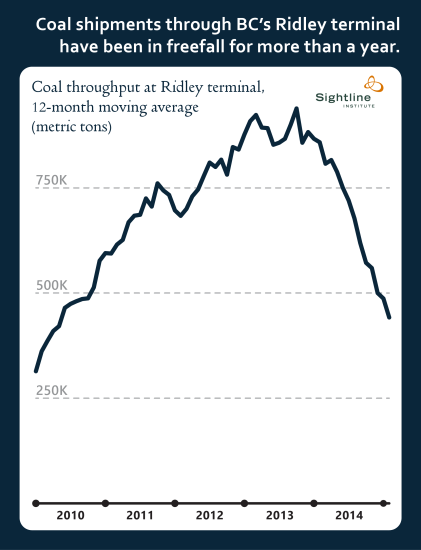
Take a look: coal exports through the Ridley terminal in northern British Columbia are in freefall:
Ridley_Coal--032515--150ppi
Data from Port of Prince Rupert

It’s almost funny. Just a few years back, Ridley was so confident about its prospects that it undertook an ambitious plan to boost its throughput capacity from 12 million tons per year all the way up to 24 million tons per year.

At the time, the plan seemed reasonable: Asian demand seemed strong, and at least two new mine projects were slated to use Ridley’s extra capacity.

But fast forward a few years, and both new mining projects appear to be on indefinite hold…even as many of the terminal’s potential customers have shuttered their mines because of the sustained price collapse in Asian coal markets. As a result, Ridley is now on track to ship less than 6 million tons of coal this year—and possibly less than 4 million.

Instead of doubling their capacity, Ridley could have cut it in half, and they still might have room to spare.

Read more

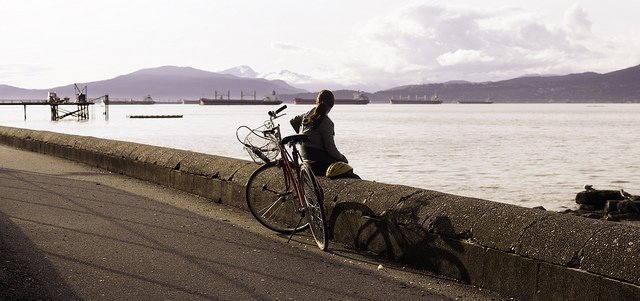
Photo Essay: A Family’s Vancouver Bicycle Cruise

When my husband Jason and I planned a trip to Vancouver, BC, we decided to bring our family’s bikes just in case. With our eight-year-old son Orion in tow, I wasn’t sure we’d have the chance to ride unless we sought out an off-street trail. To my surprise, we were able to ride—and not just on trails we had to drive or take a bus to, but through the heart of downtown Vancouver on a mixture of greenways and separated cycle lanes.

The last time we were able to ride in such an urban environment was when we lived in Copenhagen, Denmark. Then, Orion was nearly 2 years old. We bought a bike with a child seat in the rear and made our way through Copenhagen’s neighborhoods on a daily basis. The city’s network of traffic-calmed neighborhood roads, cycle tracks on main streets, and an off-street greenway network made bicycling with a small child comfortable and easy.

At that time, North American cities were taking a different approach. Bicycling advocates wanted to be treated as equal road users and argued that the safest place for them was to take their rightful place on the road in traffic. While I am all for equality, I definitely didn’t feel safe riding on roads in Seattle with or without my toddler. I kept to Seattle’s buses and sidewalks, not really seeing bicycling as an option for me or my young family.

Fast-forward to today, and Pacific Northwest cities are now embracing the “interested but concerned” bicycle demographic, residents like me who might ride but need better infrastructure. Prominent projects have shifted from sharrows to separated bicycle lanes, local bikeways, and neighborhood greenways. Transportation planners are developing street networks that serve people of “all ages and abilities,” where pedestrian and bicycle traffic is prioritized over cars.

Read more

The Comedy and Tragedy of the Port Mann Bridge

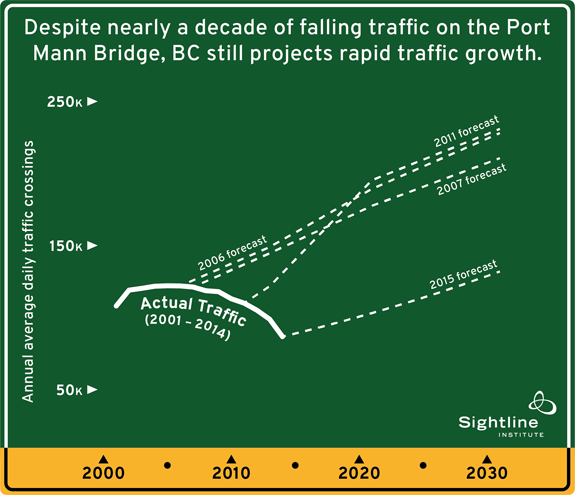
The comedians in the Port Mann Bridge forecasting department are at it again: despite a 29 percent decline in traffic volumes on the Port Mann bridge between 2005 and 2014, the province is still predicting an immediate, sustained increase in traffic across the span:

Port-mann traffic 375

That’s right—despite years and years of being wrong about the direction of future travel trends, they think they’ve finally spotted signs of a turnaround. You see, traffic volumes in December 2014 and January 2015 were a wee bit higher than they were in December 2013 and January 2014. And apparently that was enough for them to declare that..

“Traffic volumes on the Port Mann Bridge are stable and growing.”

and to make a forecast of…

“continual, long-term traffic growth on the Port Mann Bridge at a rate of about 2.5% per year.”

Read more

10 Key Takeaways from BC’s Polluters-Pay Model

British Columbia has a world-class carbon tax. It’s been working for almost seven years, cutting pollution and pumping money into other parts of the economy, like the pockets of businesses and households who now pay lower taxes. Jealous decision-makers down here in Oregon and Washington might be asking “Yes, but how how did they start taxing pollution and helping businesses and residents? How did they do it?” Clean Energy Canada set out to answer your anguished questions by interviewing 13 of the architects of British Columbia’s carbon tax. Below are their 10 takeaways about a carbon tax, along with a little explanation and my take.

1. A carbon tax and a thriving economy can co-exist.

[prettyquote align = “right”]“The numbers speak for themselves. In the last five or six years, B.C. has outgrown most of the rest of Canada, and has had significantly less emissions than the rest of Canada.” —Ross Beaty, Executive Chairman, Alterra Power[/prettyquote]

True, that.

Every single interviewee agreed that the carbon tax has not harmed the economy. Some interviewees noted that carbon-funded corporate tax cuts have helped attract businesses to the province.

Hear that, Oregon and Washington? Making prices tell the truth about the cost of pollution is at worst neutral for the economy and at best good for business.

Read more

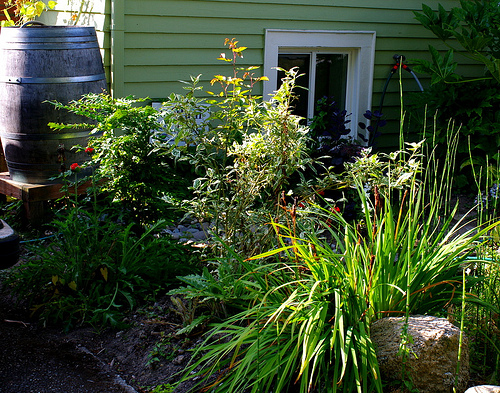
Advice on Rain Barrel Watering Now As a Pamphlet!

Rain garden

Thanks to all of the interest in our post “A Green Light for Using Rain Barrel Water on Garden Edibles” we’ve created a user-friendly pamphlet summarizing the research on rain barrel safety. This colorful, one-page brochure hits the high points of the international studies on rain barrel water quality, citing research from Washington, New Jersey, and … Read more

Sightline Seeks to Daylight Secret Exemptions to Crude Oil Export Ban

What I see, by Asher Isbrucker, cc
What I See by Asher Isbrucker used under CC BY 2.0

For nearly four decades, the US federal government has maintained a “ban” on exporting domestic crude oil supplies. It’s been a cornerstone of the national energy landscape since President Ford signed the 1975 Energy Policy and Conservation Act into law in pursuit of that perpetual goal of American politicians, energy independence.

Although the legal framework includes a number of exceptions—allowing exports of North Slope Alaskan and heavy California crude, as well as exports to Canada, among other loopholes—big oil companies have had the ban in their crosshairs for years. Now, in the midst of a production boom (despite moderate domestic demand), the industry has launched a lobbying assault on federal officials in the hopes of further boosting the payoff for large-scale fracking and drilling. And their efforts appear to be paying off.

Read more

Coal Export Markets in Freefall

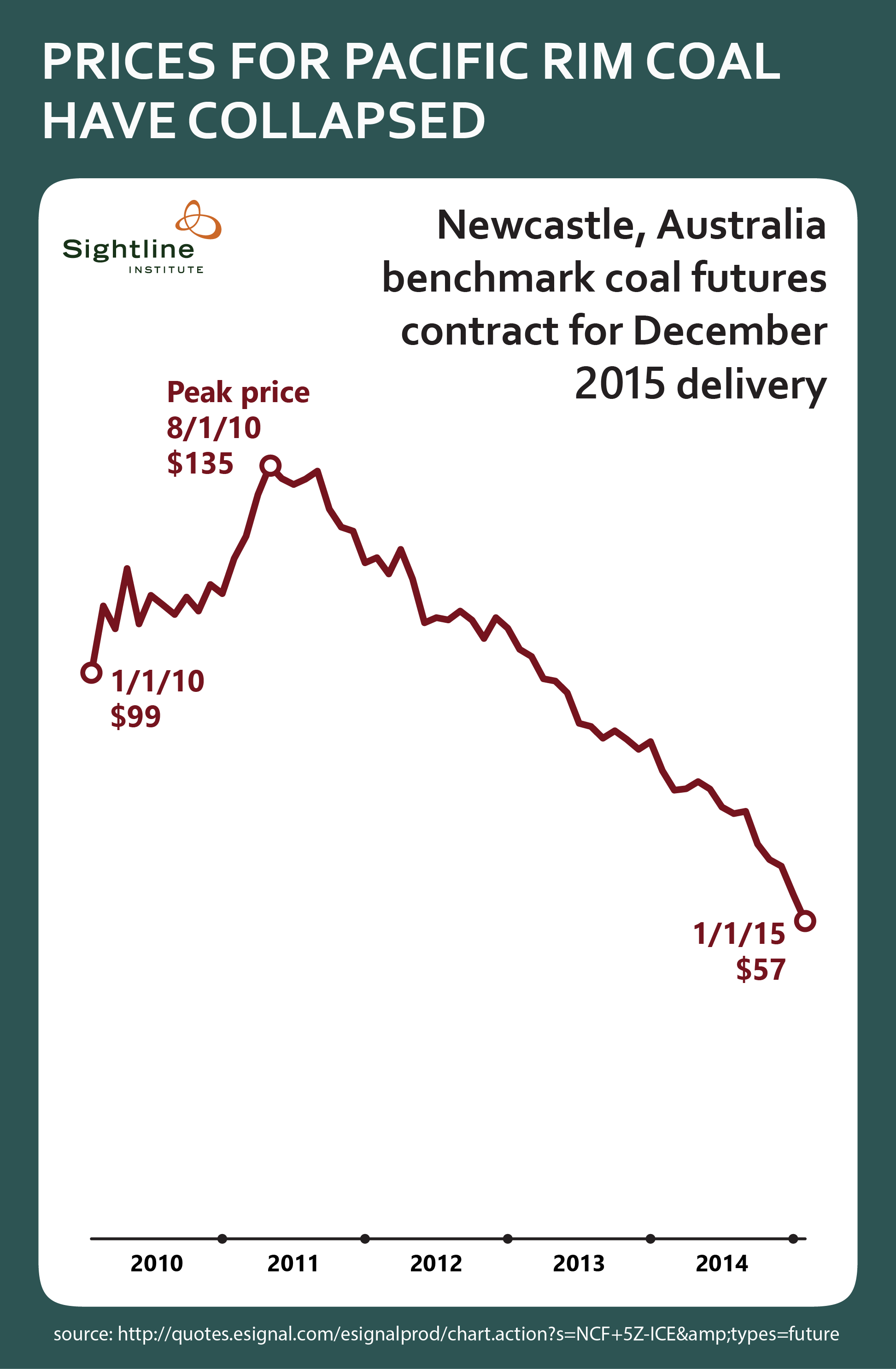
For more than two years, the US coal industry has predicted that international coal prices would soon rebound, breathing new life into coal export and mining proposals that are now languishing on financial life support. But despite the industry’s hopes, the bottom keeps falling out of the global coal market.

Market conditions for Pacific Rim coal exporters are now worse than they’ve been since the depths of the global recession. After peaking in early 2011 at more than $130 per ton, the price of benchmark Australian coal has fallen for nearly 4 consecutive years. In December, they reached a 5-year low of $62 in December, according to the World Bank.

But the futures market predicts that the worst is yet to come. The futures price for December delivery of Australian coal has fallen to $57 per ton, with the price collapse accelerating in recent months.

Cascadia’s Car-Sharing Super Bowl

You’ve probably heard that Seattle’s about to launch into a heated contest—one that pits city against city vying for honor, bragging rights, and civic pride.

We refer, of course, to the Car-Sharing Super Bowl!

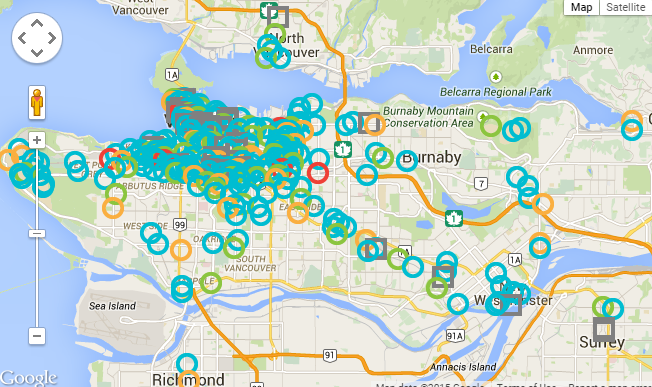
OK, maybe that’s a bit of a stretch. Still, on just about every playing field there’s a hint of healthy competition among the Pacific Northwest’s three biggest cities—Seattle, Vancouver, and Portland. Car-sharing should be no exception: cities ought to be vying to see which one offers the best car-sharing services. And with these services expanding rapidly throughout the Pacific Northwest (and beyond), we thought it would make sense to see how the Cascadia’s Big 3 stack up.

As it turns out, the contest wasn’t as close as we thought it would be: Vancouver, BC wins the Northwest Car-Sharing Super Bowl hands down. Let’s go to the highlights:

Read more

Why New Improved Oil Trains Are Not Nearly Good Enough

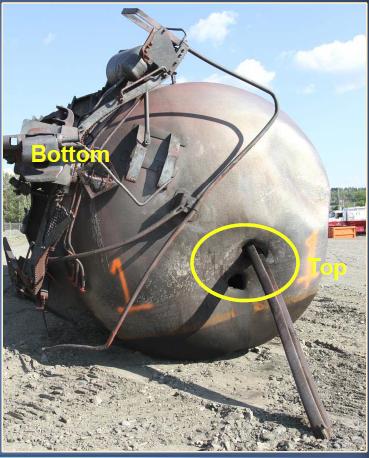
Last February to much fanfare, the oil company Tesoro—a firm with big plans for oil trains in the Northwest—announced that it would voluntarily replace older tank cars with newer models.  In the technical parlance of the rail industry, the firm meant that they would upgrade or replace the legacy DOT-111 tank cars to be compliant with the CPC-1232 standard.

The idea sounded promising at first blush, but a closer inspection reveals that Tesoro’s move was more about posturing than public safety. The upgraded standards the company is trumpeting are far from safe enough—a reality that was shortly made clear by a massive oil train fire in downtown Lynchburg, Virginia involving these same tank cars just two months after Tesoro’s announcement. As the flaming oil wreckage in the James River demonstrated, Tesoro’s proposal was little more than a cheapskate’s way of continuing business as usual despite powerful evidence that much more is needed.

To see why the standard favored by Tesoro isn’t good enough, here’s a look at the details.

Read more

Northwest Oil Spills: The Raw Data and the Growing Risk

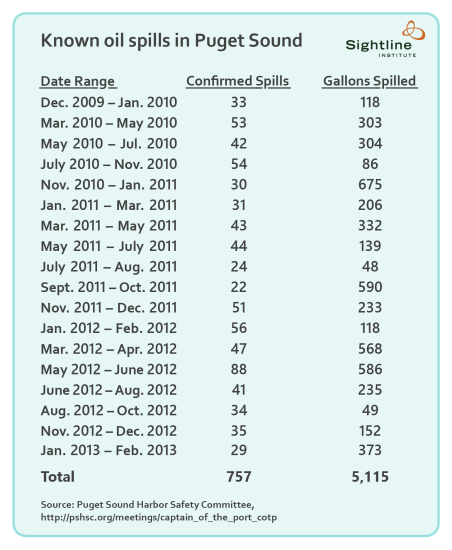
When most people think of an oil spill, they imagine something like the Exxon Valdez grounding. While it’s certainly possible that a mishap of that magnitude could occur in the Northwest, the truth is most oil spills are far more mundane. They are also much more frequent, and arguably more damaging, than you might think.

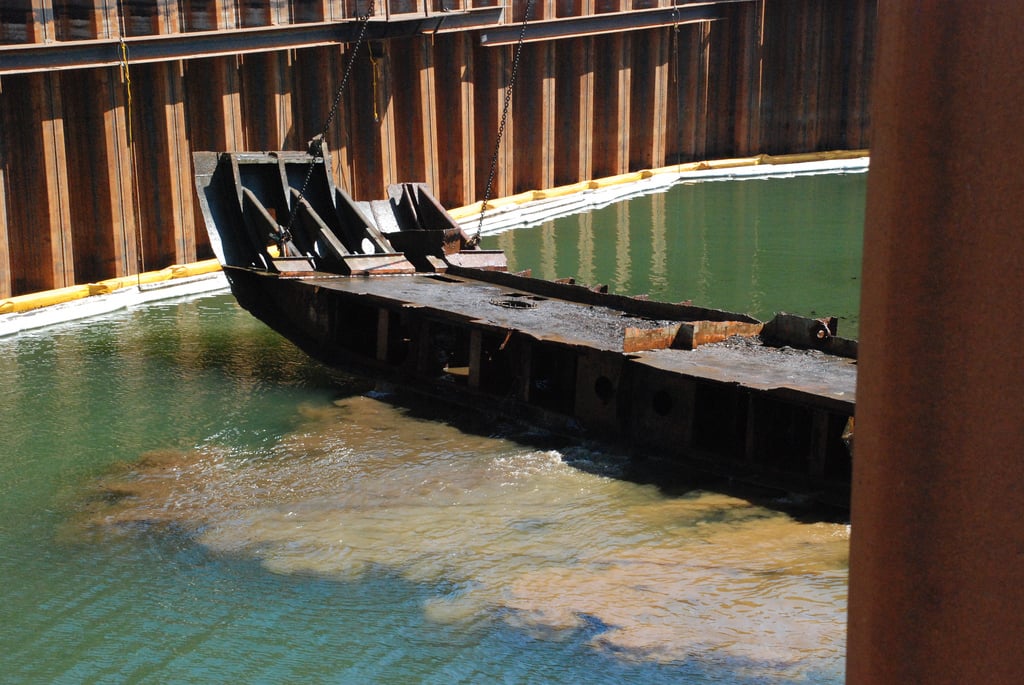
Take Puget Sound, for example. During the 38-month span from December 2009 to January 2013, there were 757 confirmed spills in the Sound—nearly 20 per month. Accidental bilge discharges, overfilling fuel tanks, and a rather surprising number of vessels sinking—four different pleasure boats sank and spilled oil in December 2011 alone—are common. Every now and again we might here about a peculiar one, like the 416 gallons spilled when crews loaded diesel into a leaky tank barge or the 36 crushed cars that fell into Commencement Bay, but most often they receive little media attention.

The raw data show that vessels in Puget Sound are a steady source of oil contamination.

Original Sightline Institute graphic, available under our free use policy.

Read more

×
Privacy Overview
Sightline Institute

More information about our privacy notice

Strictly Necessary Cookies

Strictly Necessary Cookie should be enabled at all times so that we can save your preferences for cookie settings.

3rd Party Cookies

This website uses Google Analytics to collect anonymous information such as the number of visitors to the site, and the most popular pages.

Keeping this cookie enabled helps us to improve our website.

Additional Cookies

This website uses social media to collect anonymous information such as which platform are our users coming from.

Keeping this cookie enabled helps us better reach our audiences.