

Takeaways
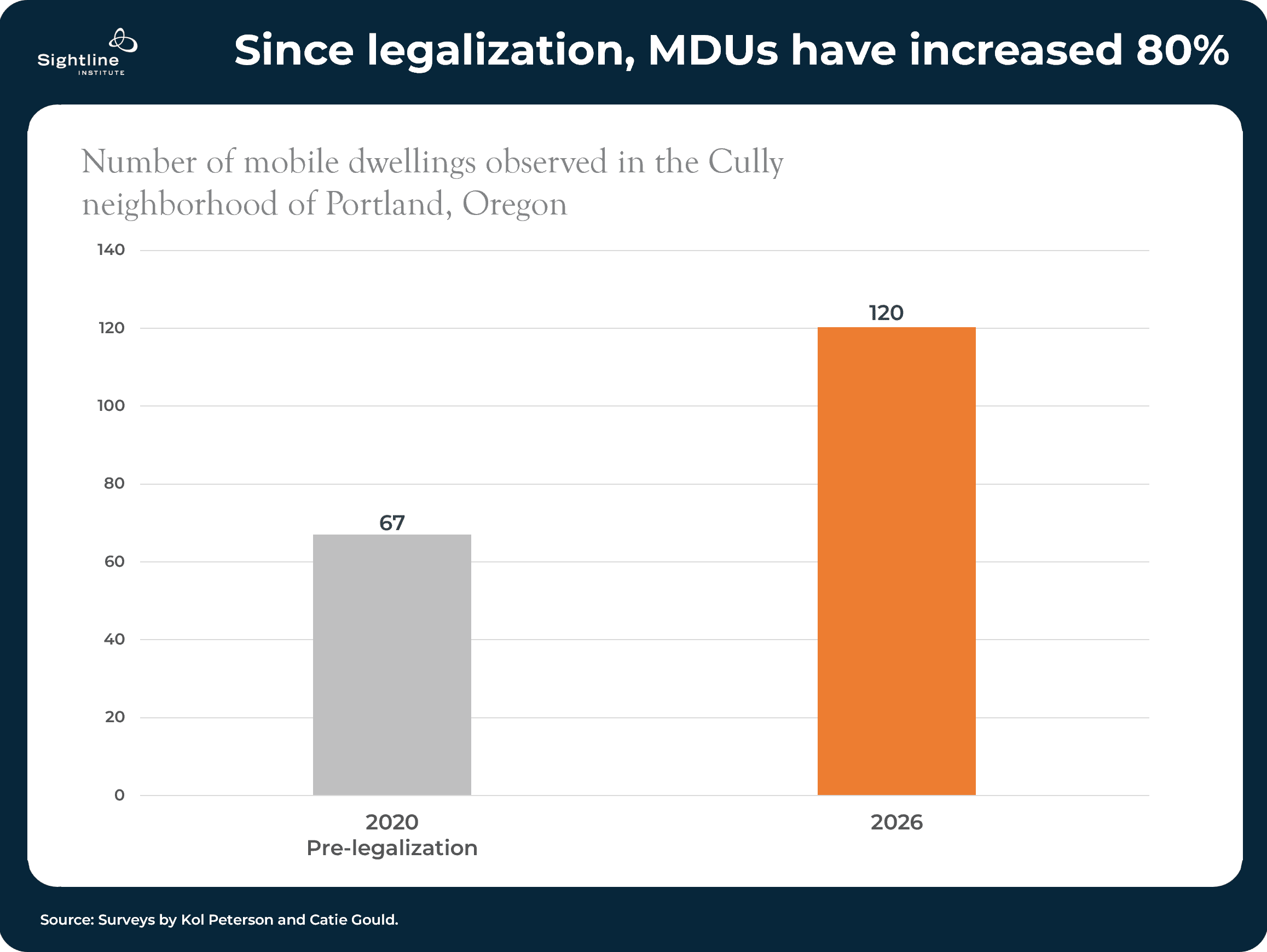
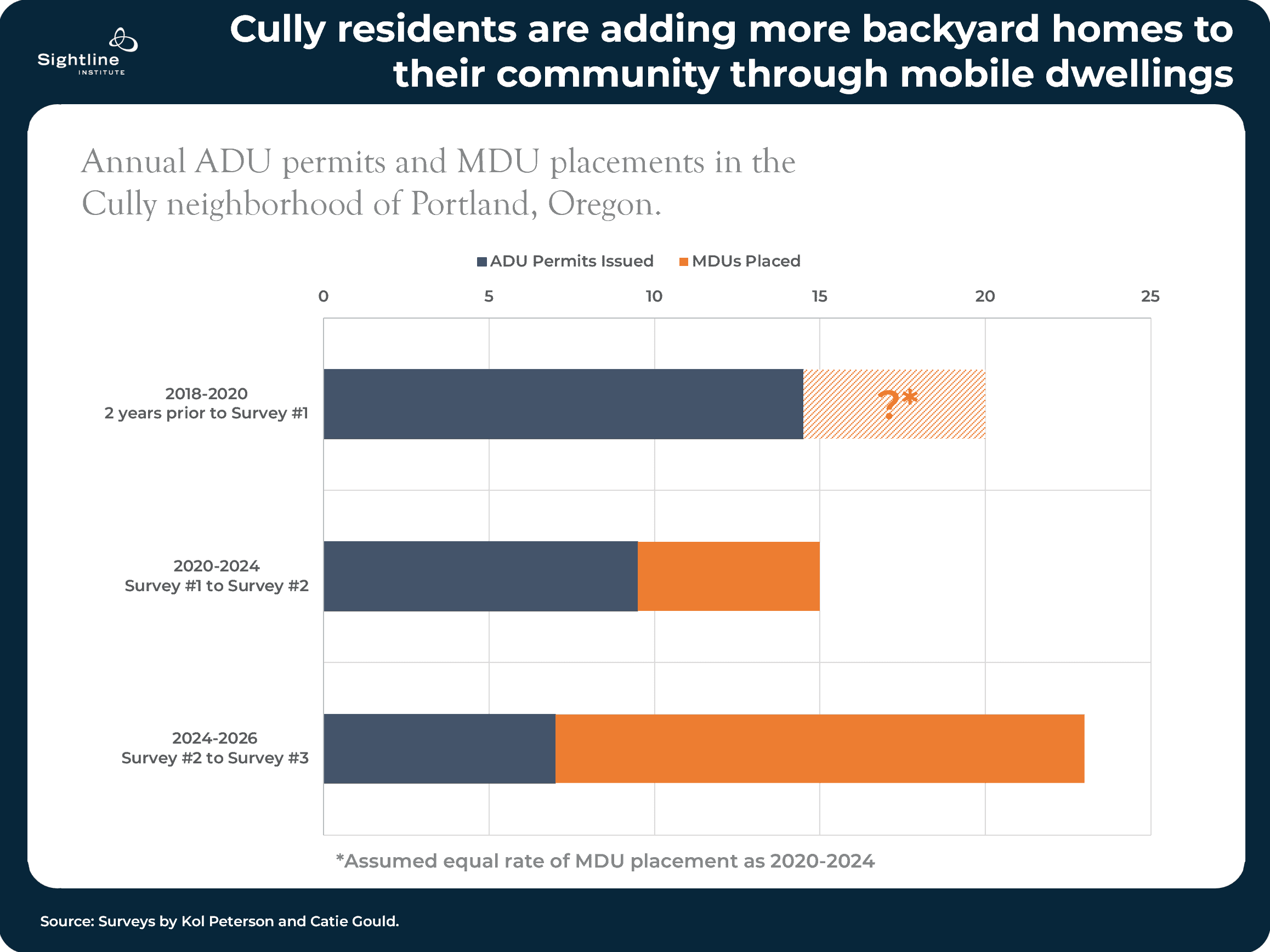
- A new survey of Portland’s Cully neighborhood found that backyard tiny homes on wheels and RVs, together known as mobile dwelling units (MDUs), have increased 1.8x since 2020.
- MDUs have recently outpaced standard accessory dwelling units (ADUs, with in-ground foundations) as the preferred way for homeowners to add more living space to their property.
- Mobile dwellings are consistently split 50/50 between camping-style RVs and tiny homes on wheels, though tiny homes are more likely to stay long-term.
Tiny homes on wheels and travel trailers are rarely treated as mainstream housing. But five years after Portland, Oregon, legalized them, a new survey finds they have become the backyard cottage of choice.
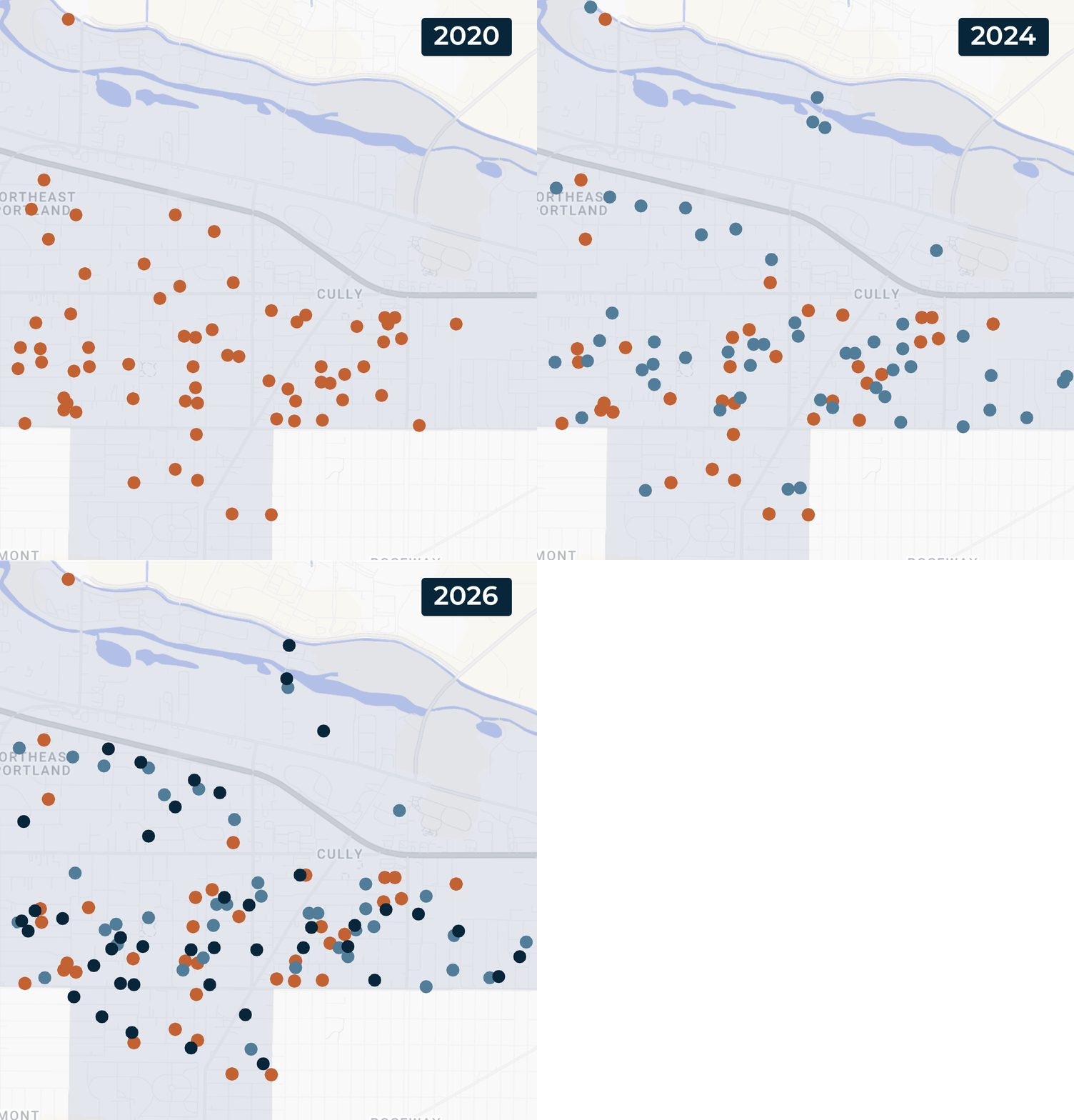
A block-by-block count conducted in April 2026 found 120 mobile dwellings in Portland’s Cully neighborhood—nearly double the original 67 Kol Peterson found in his first survey in June 2020. “It’s obviously a really small data set that we’re working with. It’s one neighborhood in one city,” explained Peterson. But after comparing the results with permits issued for conventional ADUs over the same period and finding MDUs slightly ahead, it’s clear that this “unconventional” housing option has a lot of fans.
“The numbers are bearing out that this housing type is actually working in Portland,” Kol Peterson said after reviewing the results. Peterson, one of the powerhouses behind accessory dwelling unit policy in Portland, has been documenting mobile dwellings since 2020.
At the time, the city had stopped enforcing rules that prohibited living out of RVs on residential land and was working towards a permanent ordinance. “I thought it would be cool to do a little census,” Peterson explained. In his own neighborhood of Cully, he could see there were quite a few tiny houses already. But unlike traditional forms of housing, mobile dwellings don’t require a building permit, so they don’t appear in city records. Peterson hopped on his bike and took photos of what he saw. He repeated the survey in 2024. In 2026, he invited me to tag along and see firsthand how common these dwellings are.
Peterson’s mobile dwelling surveys have become the closest thing to an official record Portland has of its successful backyard housing experiment, helping to measure their growing popularity, their different types and length of stays, and opportunities to improve the city’s regulations for them.
The growing popularity of MDUs shows that Peterson’s goal of market-based, low-cost housing options isn’t just a pipe dream but an on-the-ground reality for many. “I feel really good about that outcome so far,” he said.
Methodology: What counts as a mobile dwelling
In the Cully neighborhood survey, mobile dwelling units (MDUs) include tiny homes on wheels (THOWs), recreational vehicles (RVs), park model RVs, motorhomes, and buses. Dwellings had to be located on residential properties, though we made two exceptions for mobile dwellings parked on the street that were clearly associated with the adjacent house.
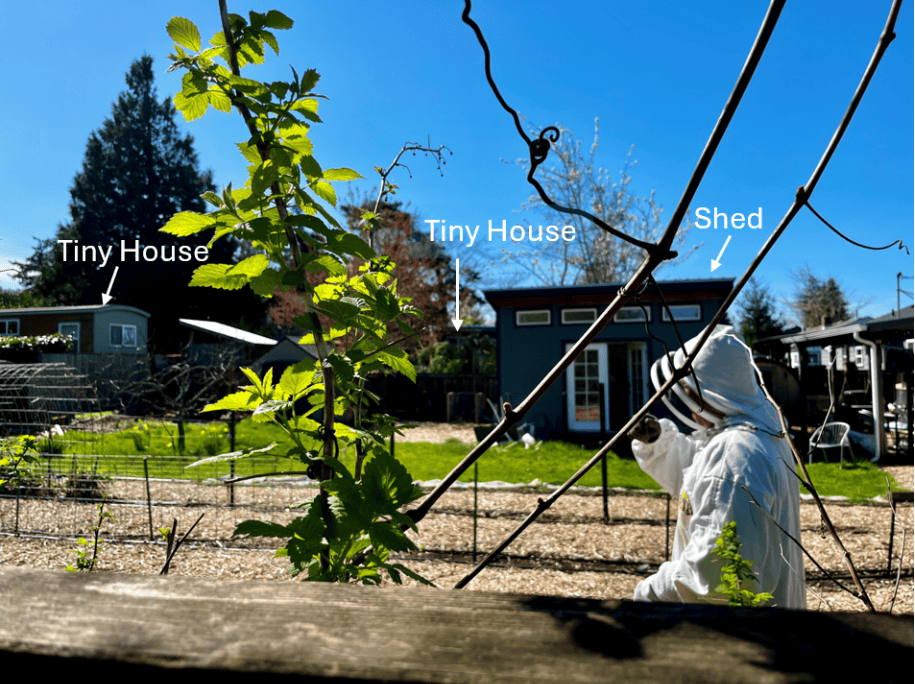
It can be difficult to discern the difference between a tiny house on wheels and a handsome shed. We looked for visible wheels for one, but also the number of windows and general size. We talked to neighbors if they were outdoors at the time, as well as a mail carrier who was working our same route.
Recreational vehicles were more uncertain. We stopped at each one to look for evidence someone was living in them. Signs included:
- Closed window shades for privacy
- Being parked on a level surface
- Extended pop-outs
- Hose connected for water
- Extended steps or deck
- Clear pathway to the door
- Sun and rain protection, like extended awnings or being parked in a carport
- Personal items like chairs, windchimes, etc.
- Being located in a private portion of the yard
- Multiple RVs on a property
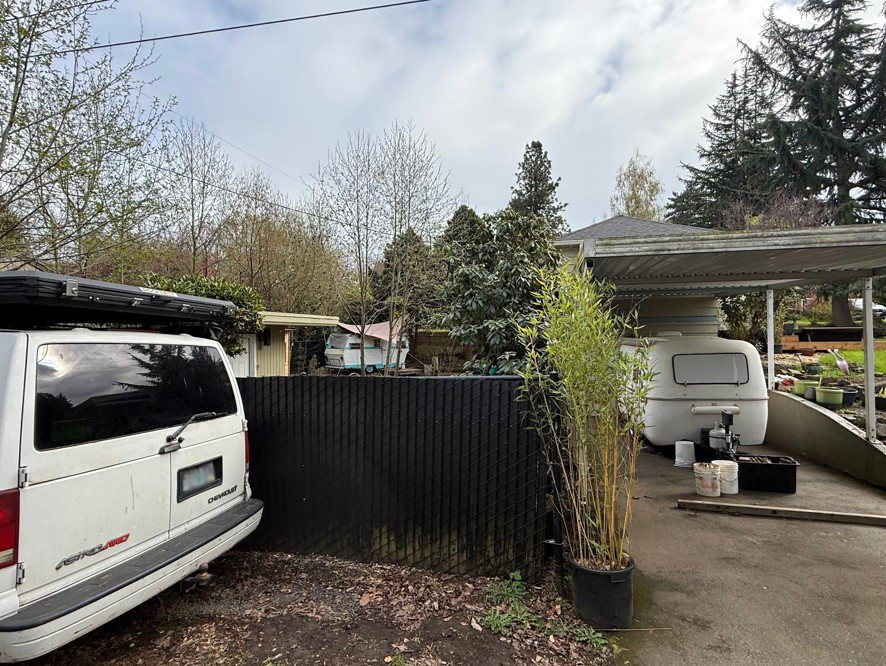
Kol, being both a Cully resident and owner of Tiny Hookups, which assists people with adding utility infrastructure for mobile dwellings, had the scoop on a number of properties. Because of that, we included some addresses even when we couldn’t physically see a mobile dwelling from the street.
Some of our guesses could be wrong. We almost certainly missed some we couldn’t see and may have made incorrect assumptions on others about occupation. We revisited properties we were unsure of and even went back at night to see if any lights were on. In the process of going through these with a fine-tooth comb, we made a few corrections to data from past surveys using satellite assistance from Google Earth and Portland Maps.
The data presented below are our very best assessment of the recent evolution of mobile dwellings in Cully—and seven takeaways on the trends observed.
1. Mobile dwellings have nearly doubled since 2020.
When Kol conducted the first survey of mobile dwellings in the spring of 2020, he counted 67. At the time, the city of Portland had stopped enforcing city codes that prohibited people sleeping in RVs (even on private property), but the ordinance that formally legalized using them as residences wasn’t adopted until April 2021.
The presence of these initial mobile dwellings, a mix of RVs and THOWs, isn’t surprising. Most everyone knows someone who has lived in a tiny house or a fifth-wheel for a spell, even as most zoning codes technically prohibit it.
Since 2020, the number of mobile dwellings in Cully has almost doubled, increasing from 67 to 120 over six years. While an impressive percentage jump, the gross figures are still relatively modest—an estimated two percent of the neighborhood’s total housing stock.
2020
After legalization, accessory dwelling units quickly became the dominant backyard housing option.
2024
MDUs began catching on. Growth accelerated while ADU permitting remained steady.
2026
Just six years later, MDU placements have essentially caught up with ADU permits.
2. The rate of MDU adoption is accelerating
More notable than mobile dwellings’ growth is that their rate of growth is accelerating. In 2024, four years after the first survey, 22 additional properties were hosting a mobile dwelling. In the two years since, 31 more properties have joined their ranks.
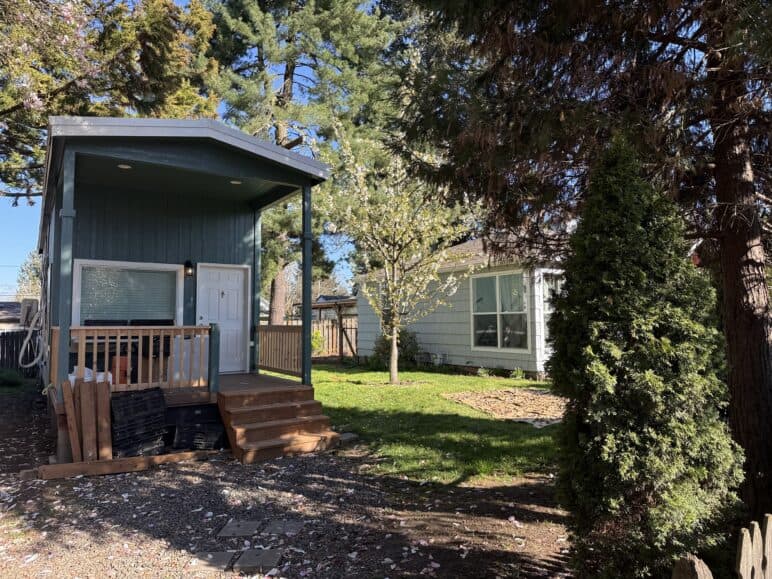
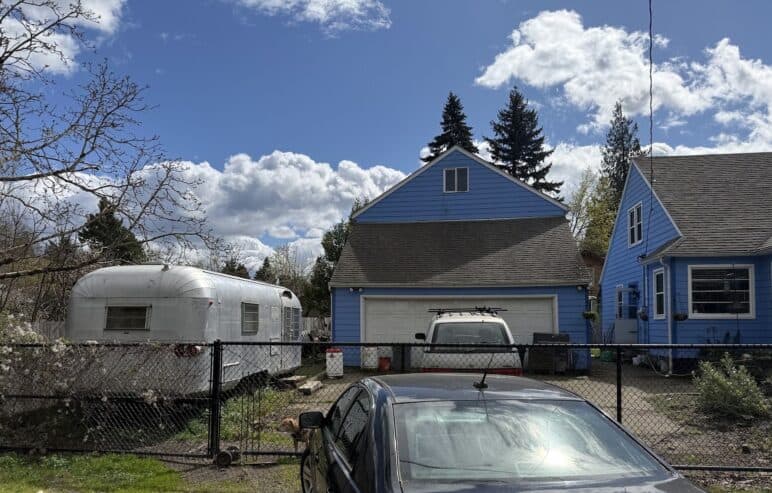
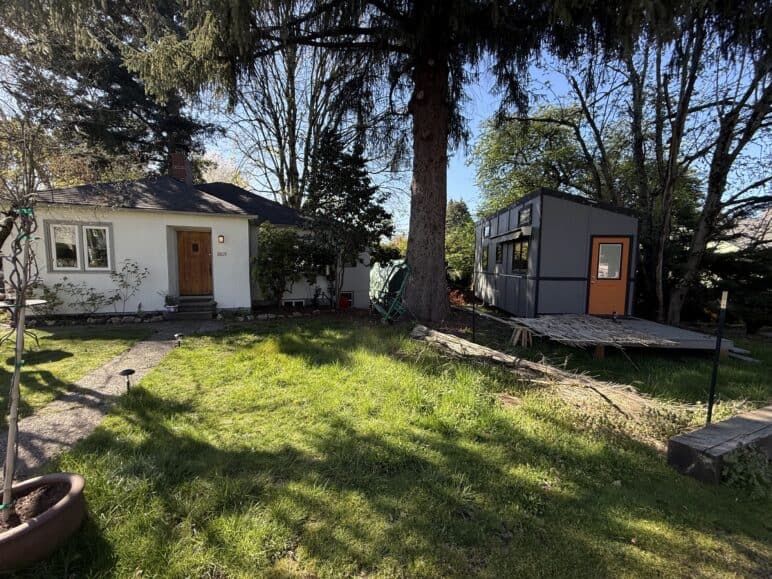
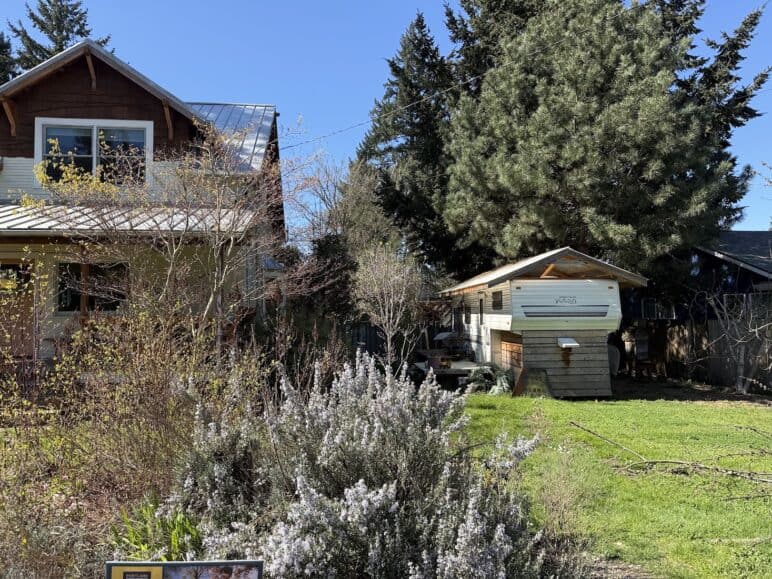
In photos: Mobile dwellings added since legalization
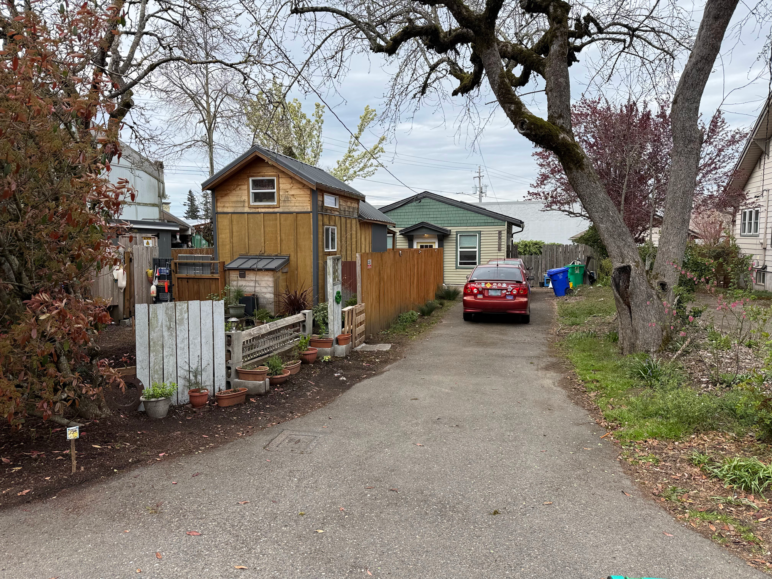
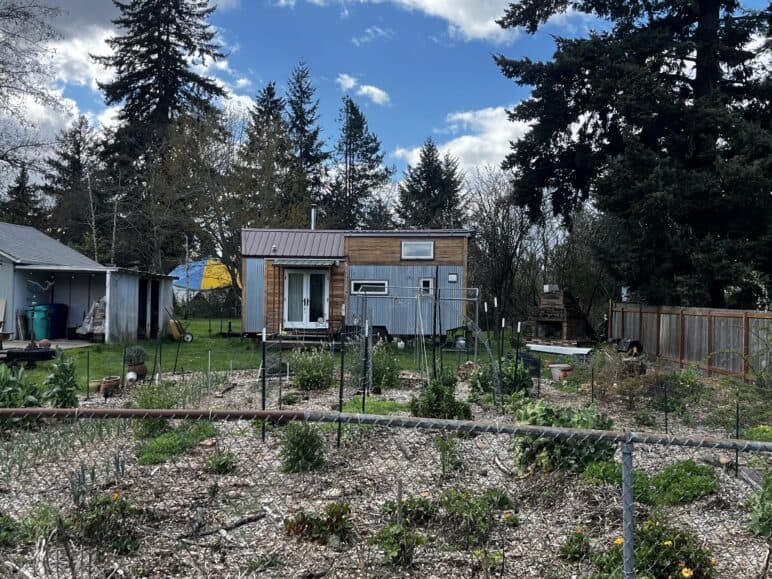
View below some of the MDU homes found during the 2026 survey. Click the image to expand it.
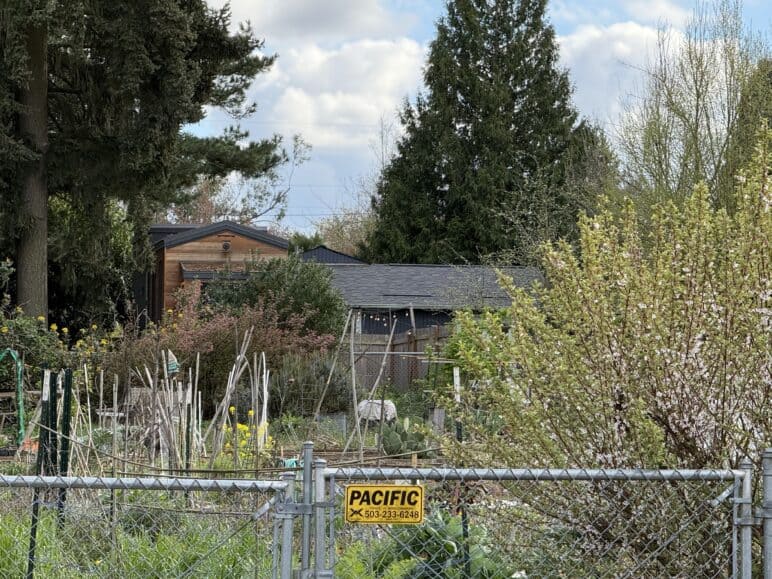
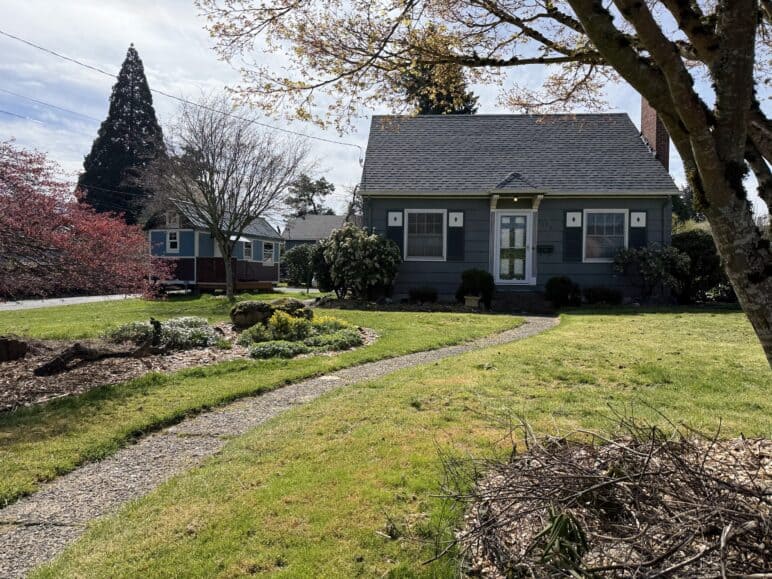
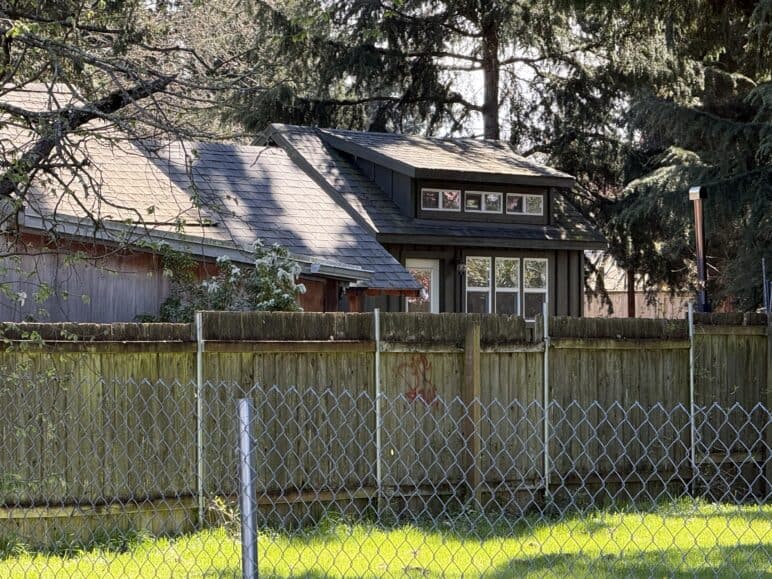
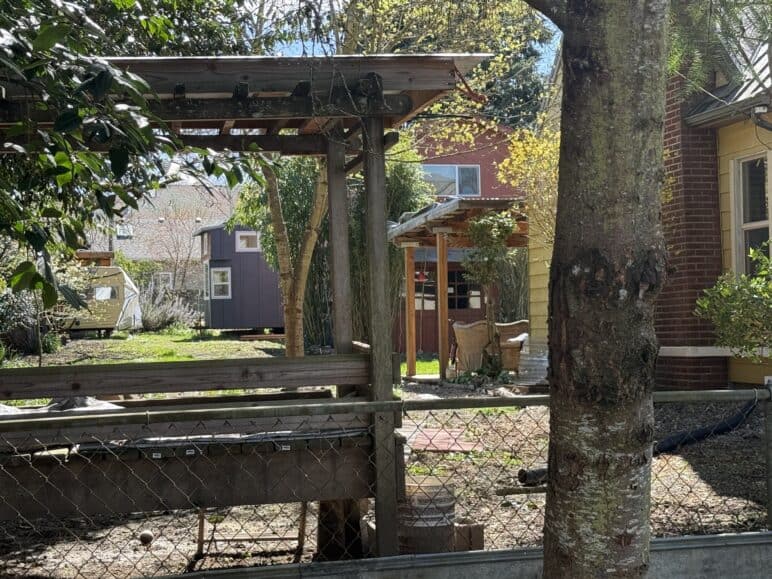
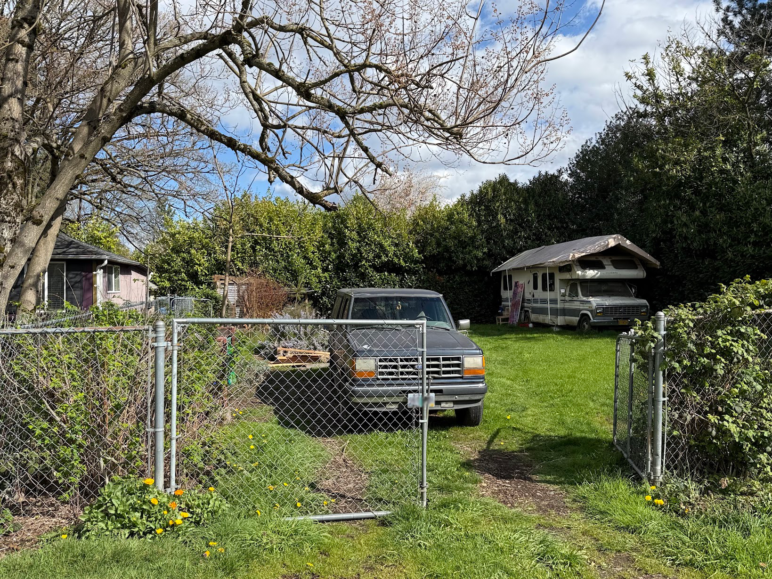
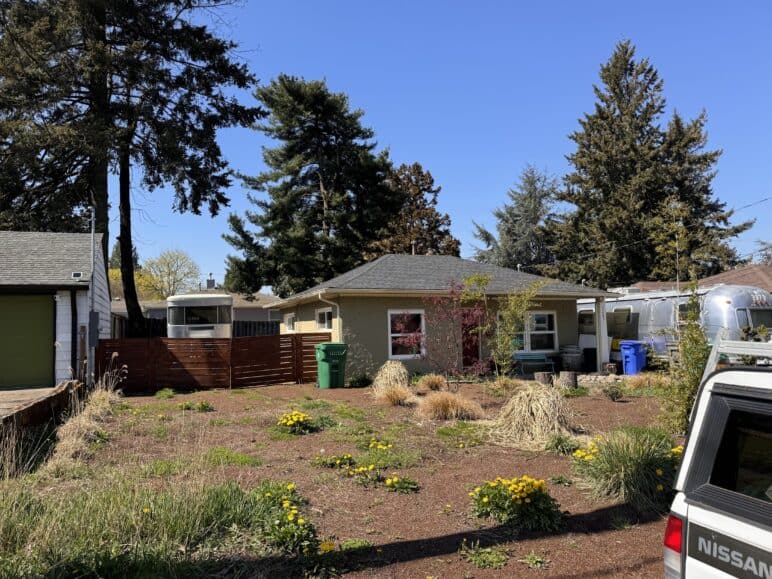
Click here for the full album of 2026 dwellings
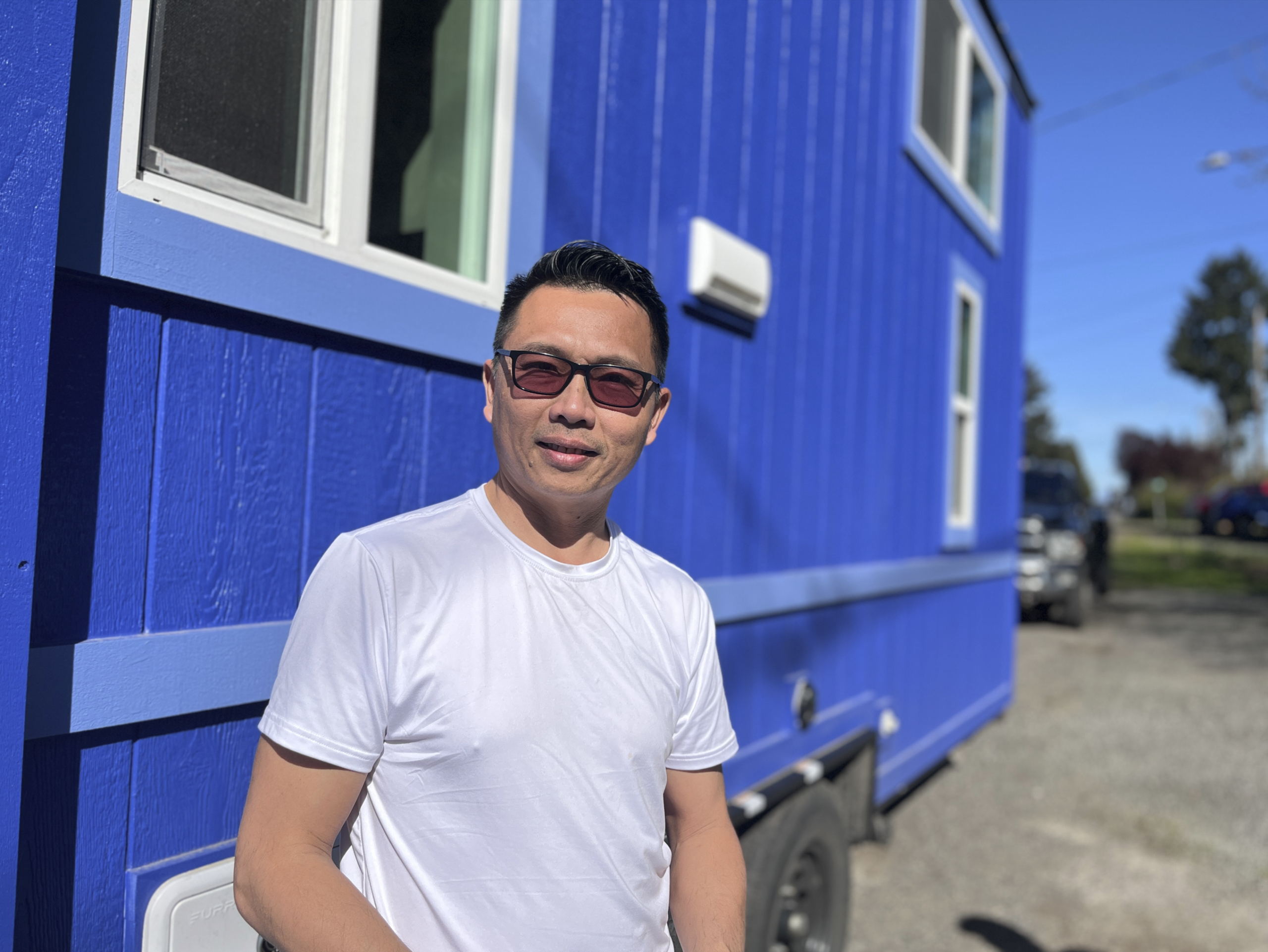
At one point during our survey, we came across a tiny house that had just arrived from Idaho. Its owners were in the process of switching from the long-haul driver to a local one who was going to maneuver the new home to its final parking spot. The Portland driver, Linh Phan, estimated that he had placed 14 to 16 tiny houses in the last month.
3. MDUs are now more popular than ADUs
You read that right. For all the press that standard backyard cottages or mother-in-law units have gotten over the years—that is, accessory dwelling units (ADUs), with foundations—in the Cully neighborhood, mobile dwellings have become the preferred way to add living space to one’s property.
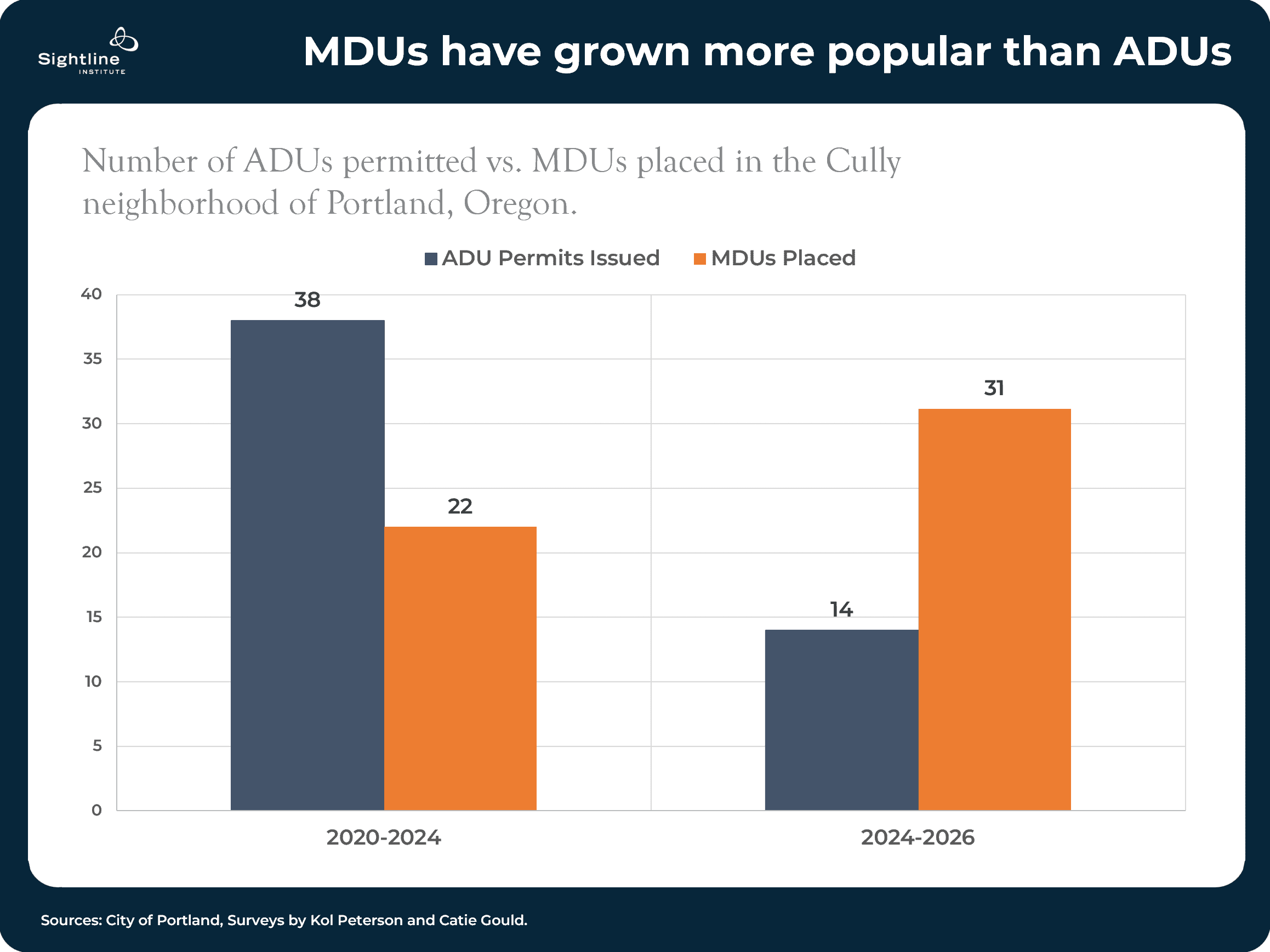
Since Kol’s initial 2020 survey to the most recent one in April 2026, the city has issued 52 permits for ADUs in the Cully neighborhood. That’s neck and neck with the increase in MDUs over the same time period: 54.
But in recent years, mobile dwellings are not just rivaling traditional backyard cottages—Portlanders prefer them two to one.
The ordinance legalizing mobile dwellings isn’t the only factor in this flip. Permits for ADUs were already on the decline. Starting in August 2018, Portland restricted ADU fee waivers to owners who agreed not to use their ADU for short-term rentals for ten years. Then, the COVID-19 pandemic created shortages of building materials and shrank the available labor force. On top of that, interest rates spiked in 2022, and they remain high, further increasing the cost of building.
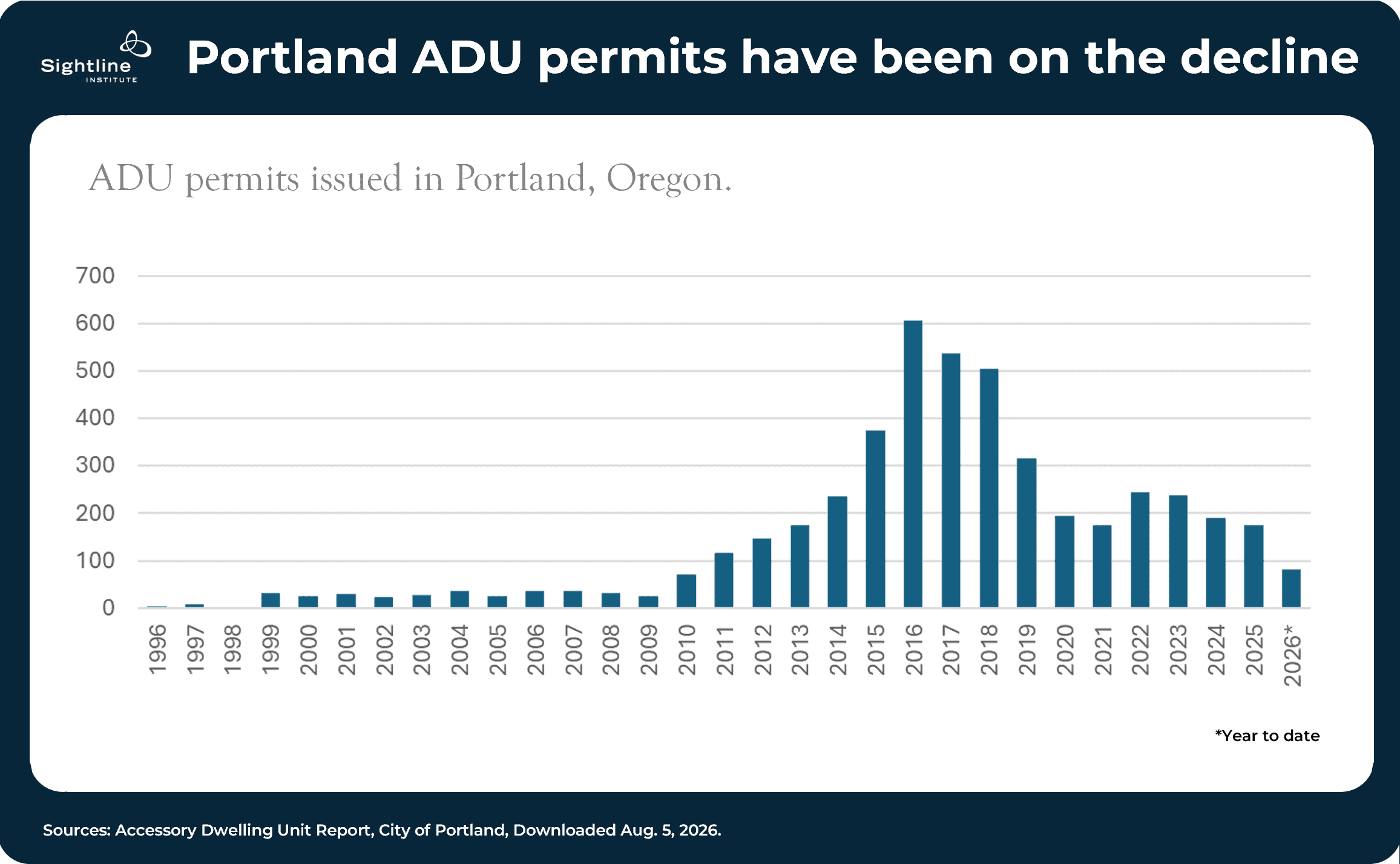
Now the cost of building a typical backyard cottage (with a foundation) is out of reach for many. In our reporting, we’ve found it to be a common story for a homeowner to start with an idea of building an ADU for a relative, then after finding out it will cost $200,000 to $350,000, turn to a park model RV instead, which is easily doable for around $100,000—or much less.
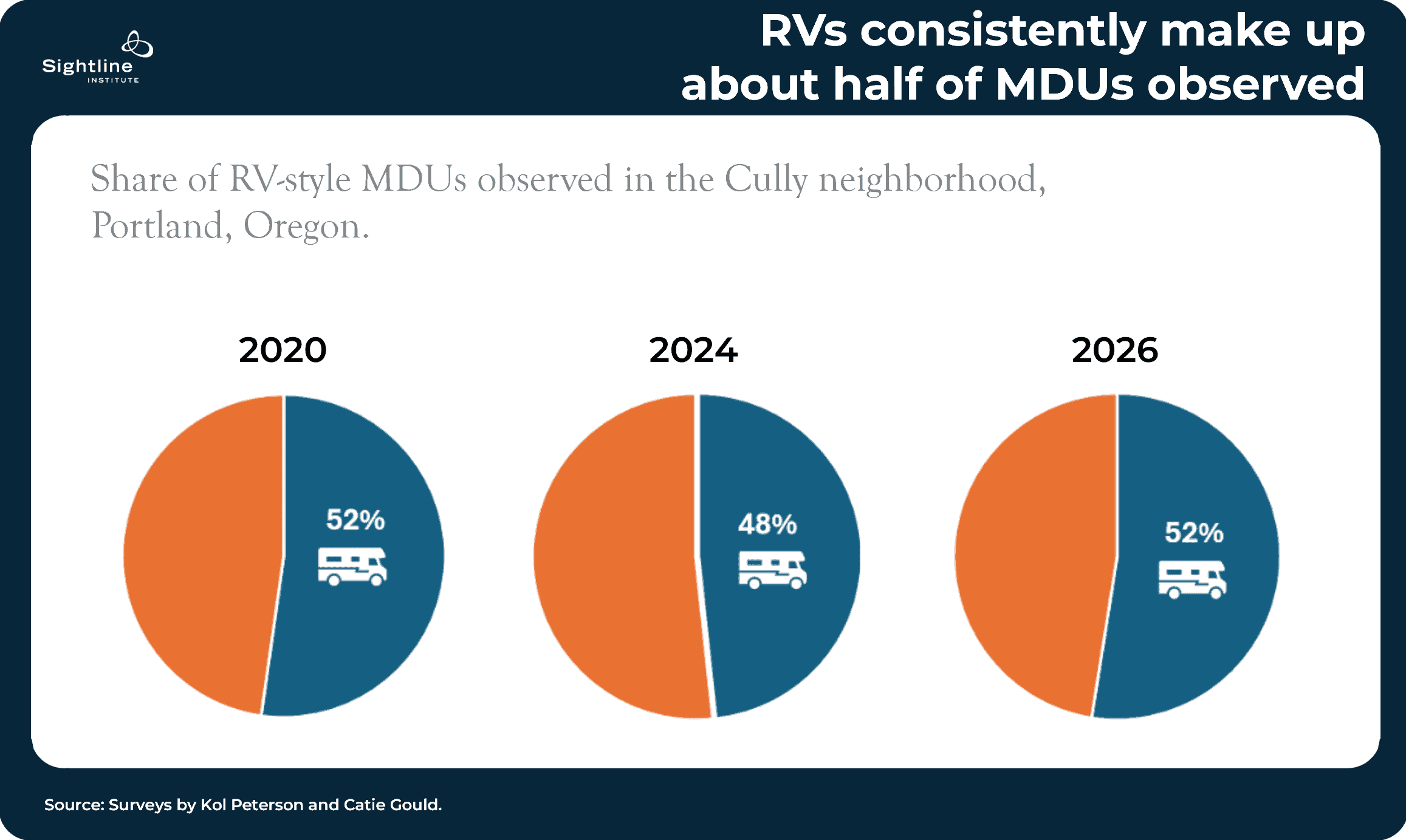
4. Half of mobile dwellings are camping-style RVs
A common question I get as policymakers or community members consider legalizing MDUs for their towns is how to allow cute tiny houses but not recreational vehicles. Besides there not being a clear legal delineation—“tiny homes on wheels” are technically RVs, and many come with a RVIA certification—camping-style RVs consistently made up half of the mobile dwellings in our survey.1
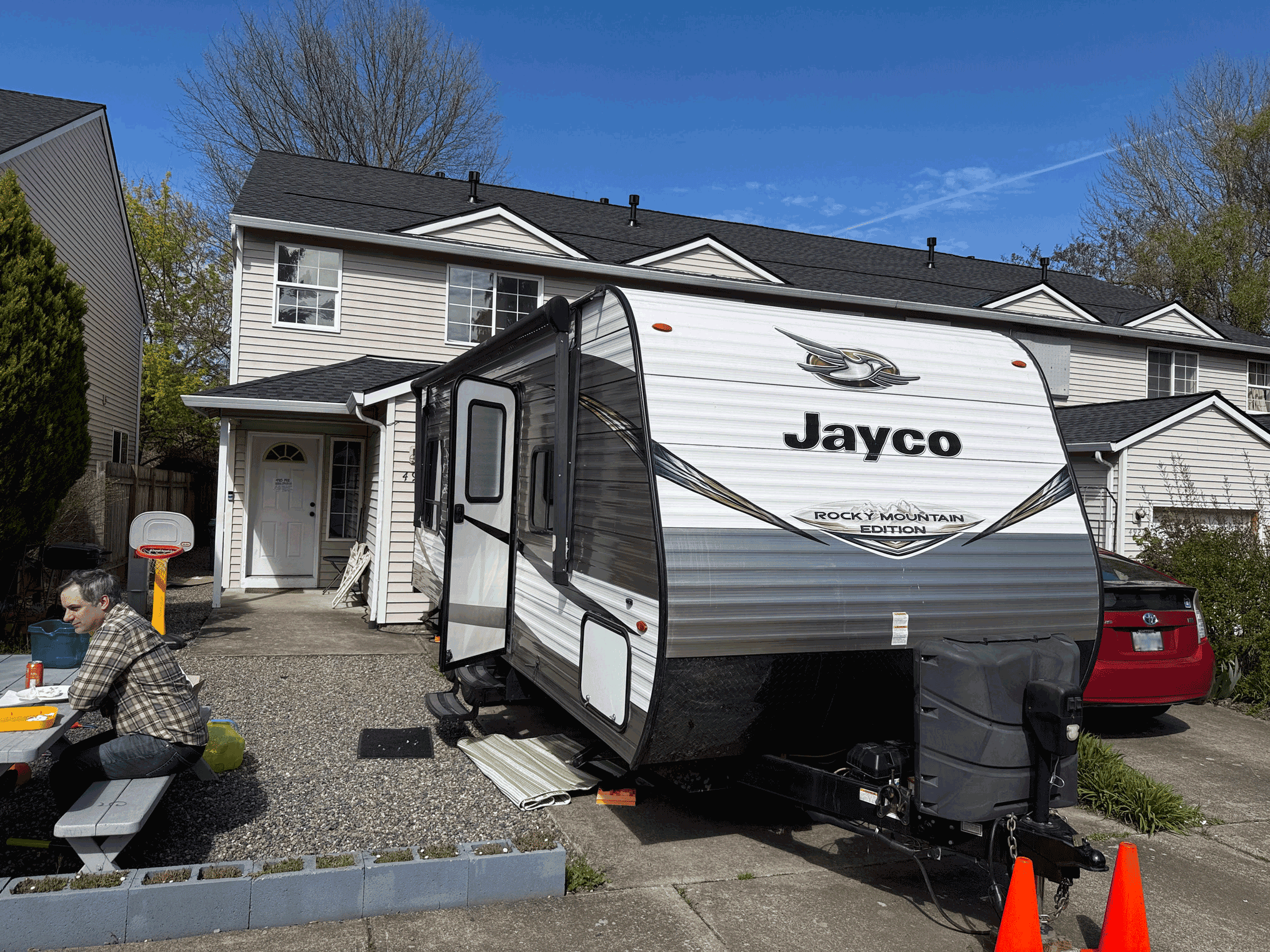
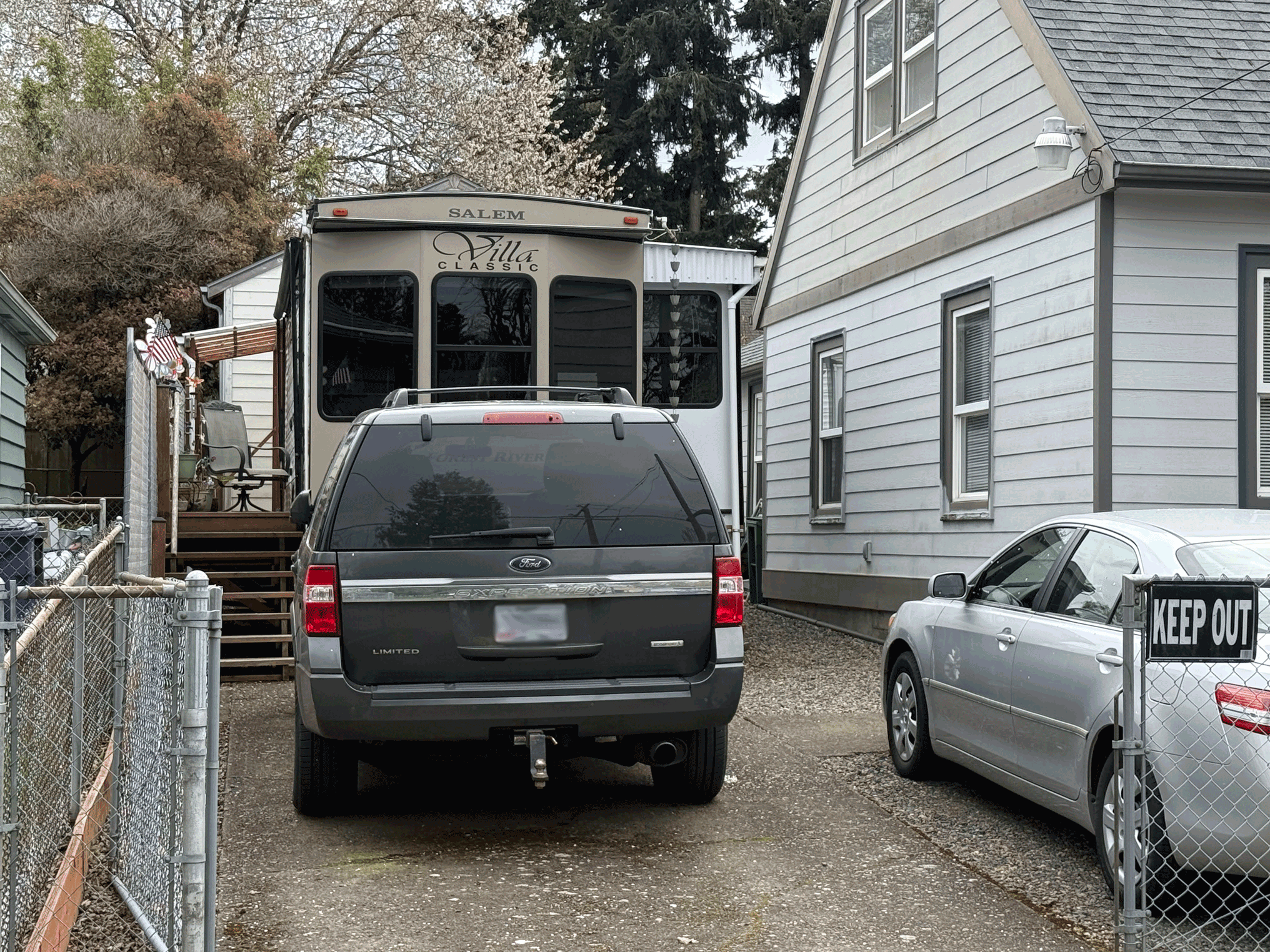
One couple, who were taking their lunch outside as Kol and I rolled up, had borrowed an RV from a relative to live in while they repaired water damage in their house. Another resident started living in an Airstream trailer after developing long COVID. Elsewhere a property owner used an RV to house her father who had become homeless. While it wasn’t much, he now had a roof over his head, running water and sewer, and a door he could lock to his own private space.
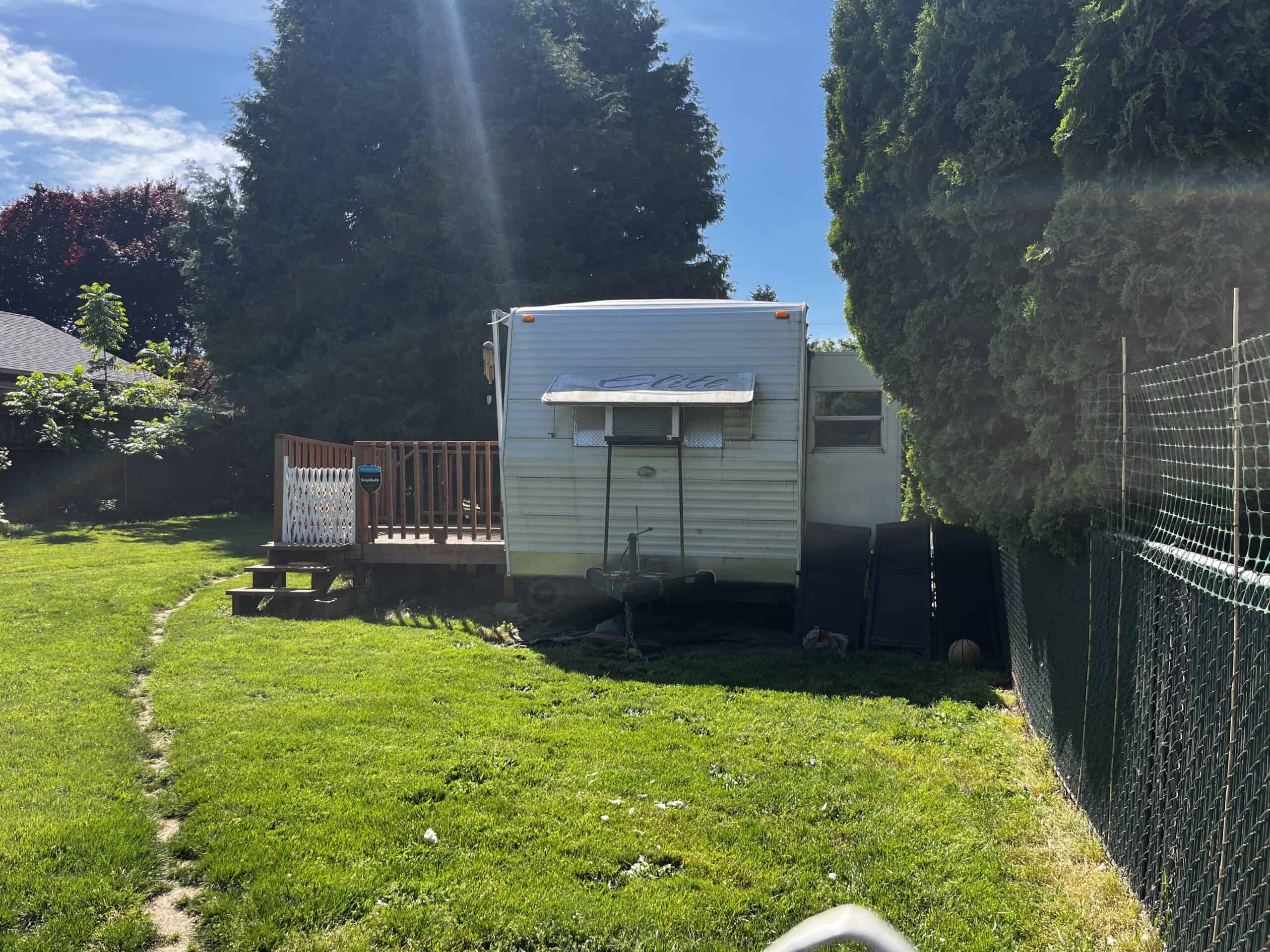
While some RVs are likely shorter-term accommodations, others have added decks or landscaping to settle in longer-term and make it feel more like home.
5. Mobile dwellings come and go
Unlike a permanent home on a foundation, dwellings on wheels can pick up and move elsewhere. Our data show they frequently do. Between the three surveys, we counted 164 properties that have hosted an MDU at some point. Put another way, for every three MDUs you can see right now, we know at least one more has already come and gone.
Here’s how they move over time: Of the initial 67 properties hosting a mobile dwelling in 2020, only 38 still did six years later.
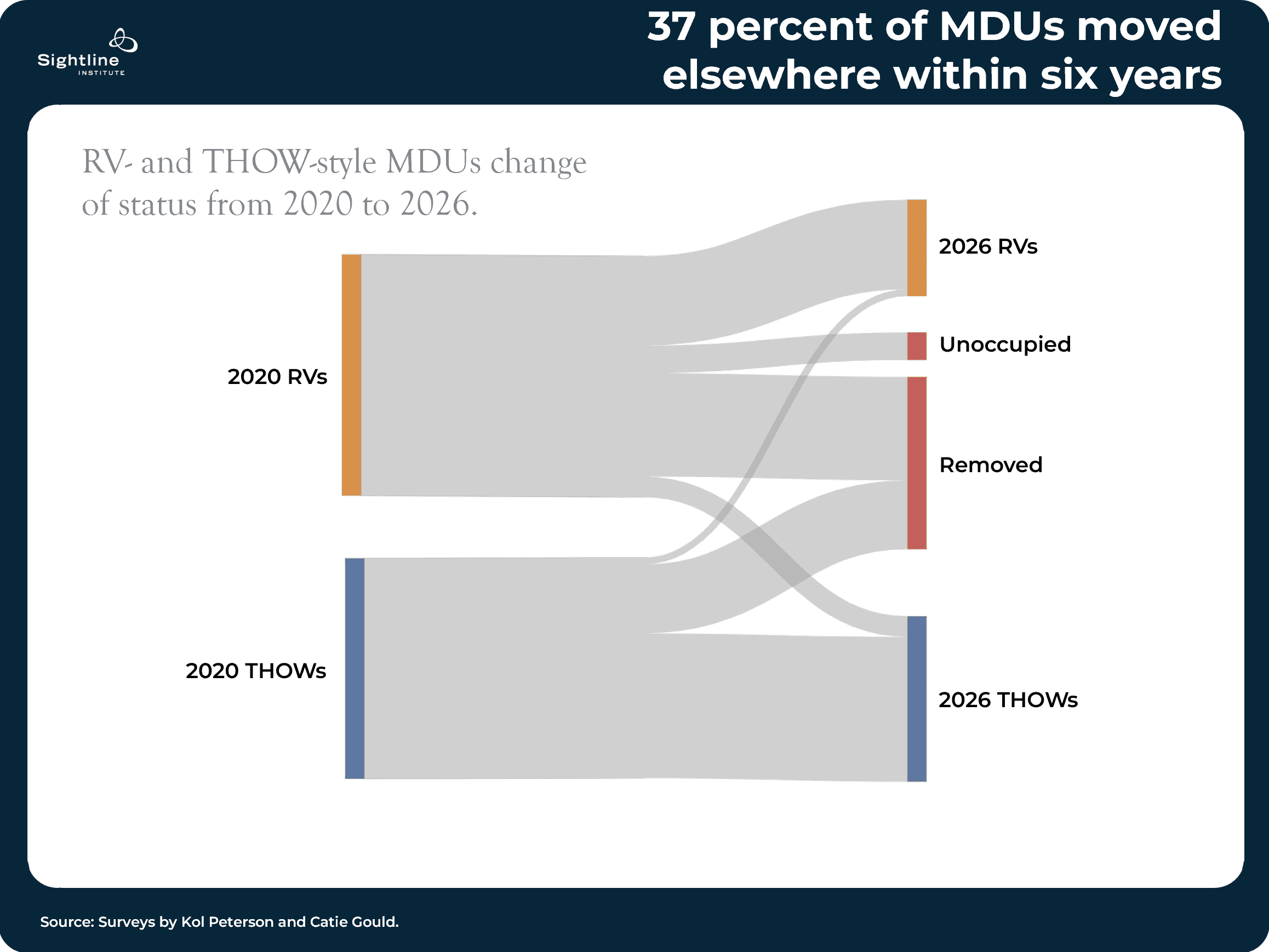
Four RVs were still on the property but no longer appeared occupied. More commonly, the dwellings moved on to greener pastures, as 25 MDUs from 2020 did. Even just over the course of our survey, a mobile dwelling that had been there in April was gone a few weeks later (confusing the bejesus out of me when I went back to double-check something).
Our survey showed that THOW-style MDUs tended to stay put longer than RV-style ones. Of the properties that had a THOW in 2020, 73 percent of them still had a THOW in 2026, twice the rate of properties hosting RVs, which was 38 percent. This could be because THOWs are often more expensive and are intentionally purchased for long-term housing.
In photos: MDUs on the move
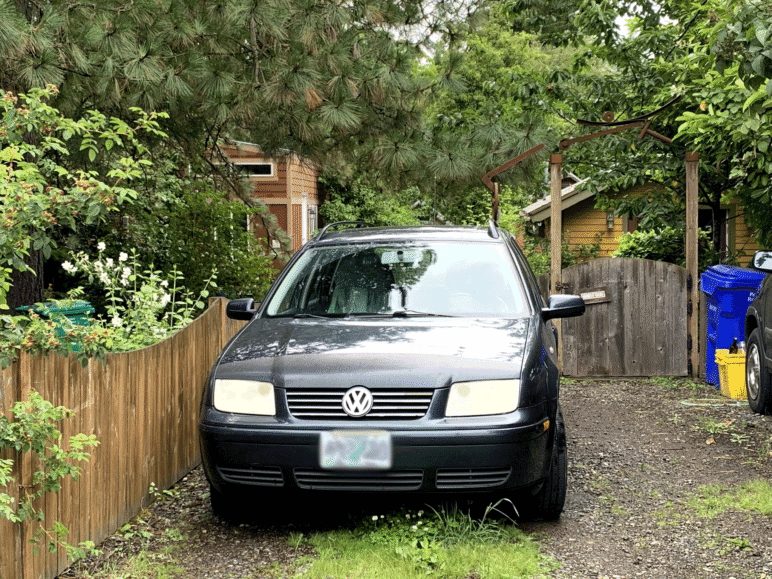
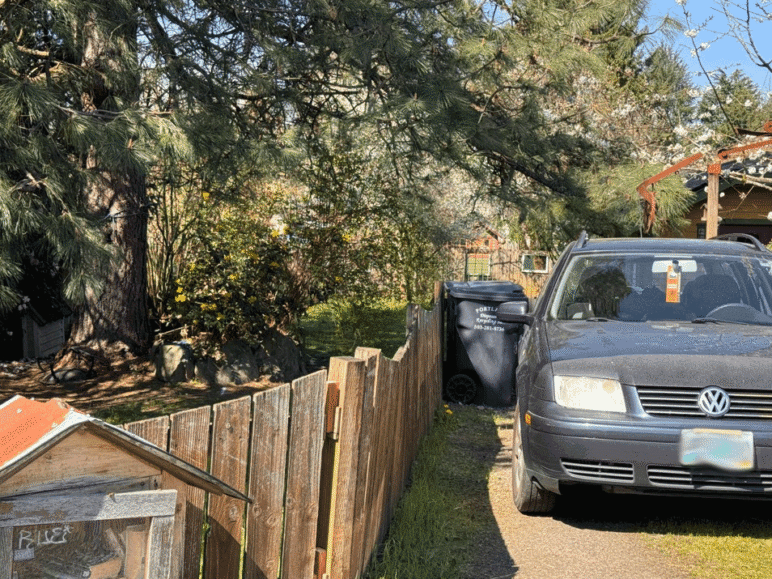
A THOW from the 2020 survey (left) had moved elsewhere by 2024 (right). Photos by Kol Peterson.
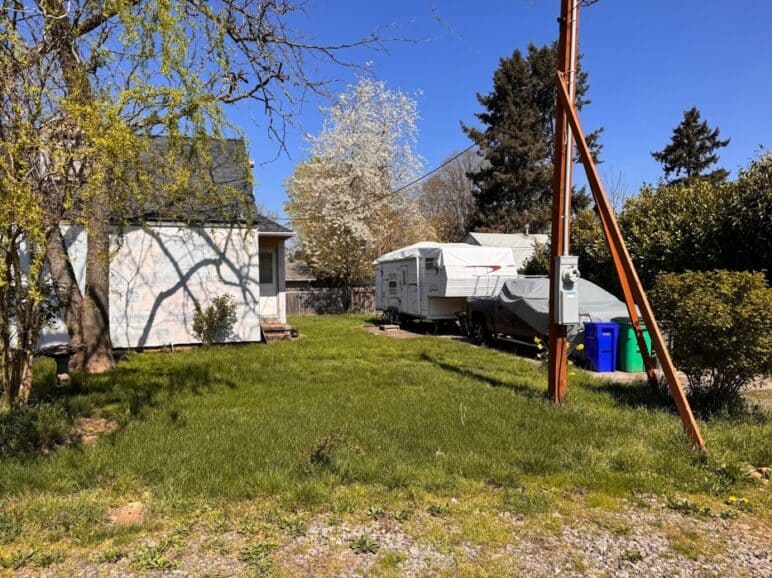
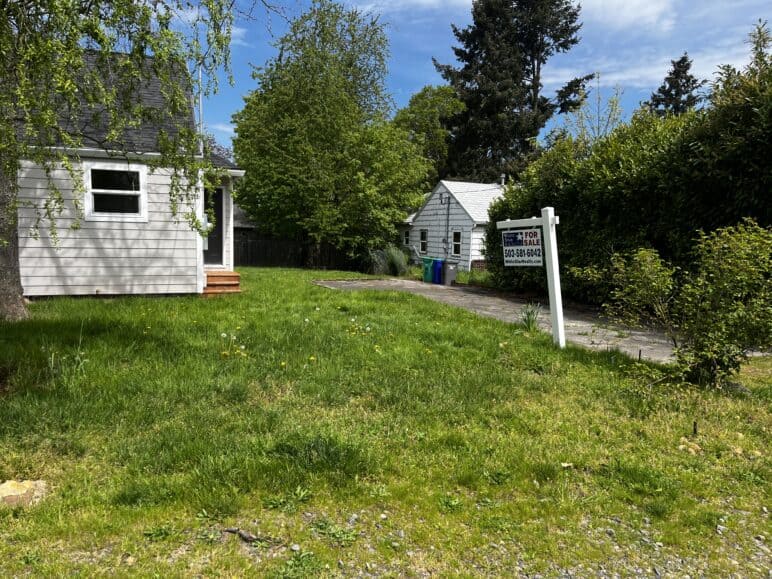
An occupied RV from 2024 (left) was no longer present in 2026 (right). Photos by Kol Peterson (left) and Catie Gould (right).
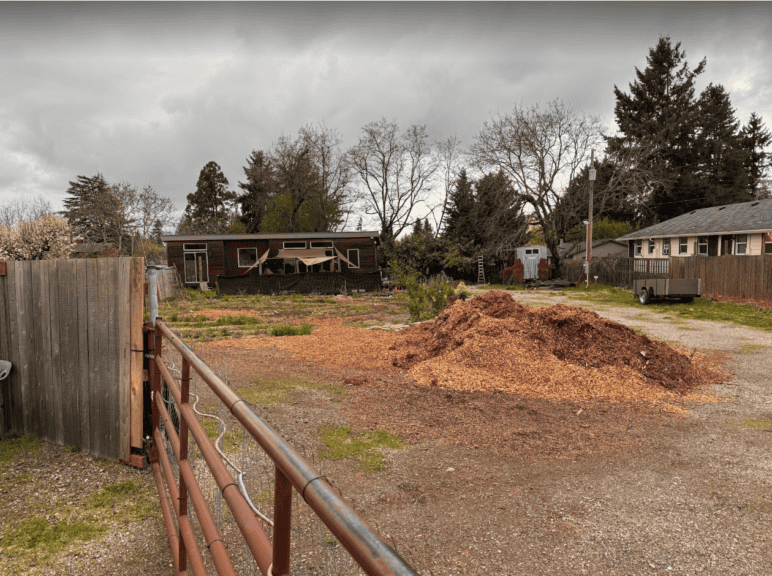
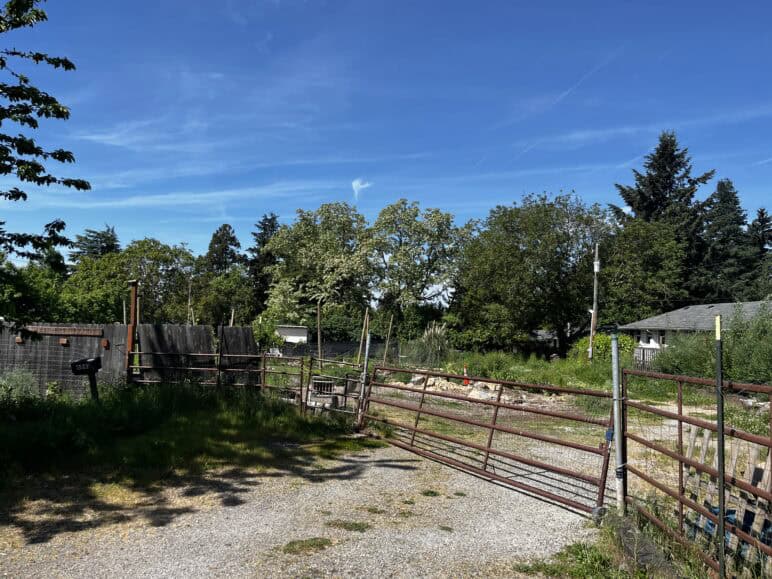
A THOW in the 2024 survey (left) was gone in 2026 (right). Photos by Kol Peterson (left) and Catie Gould (right).
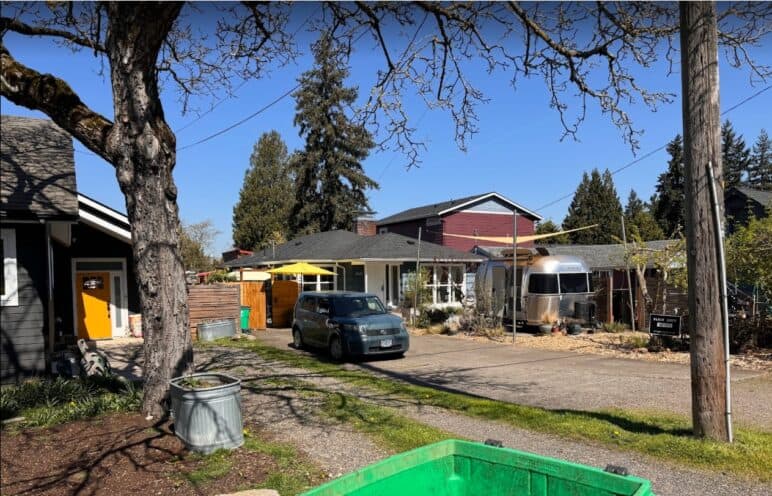
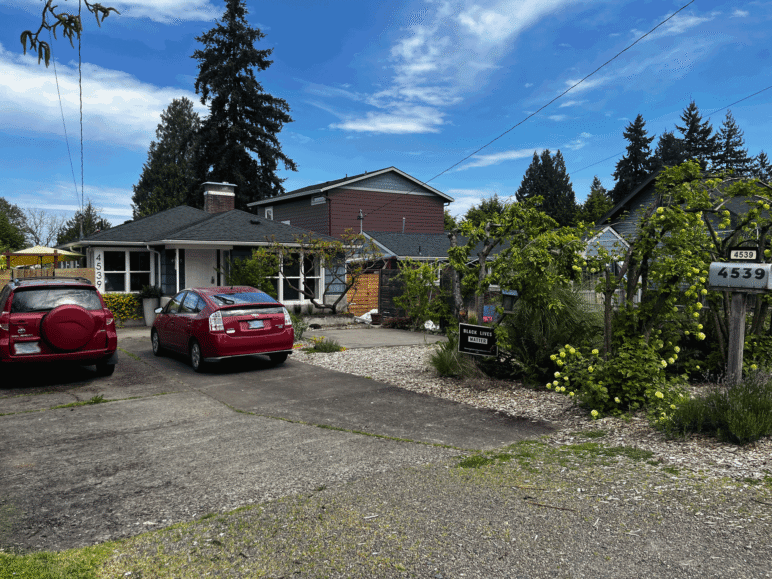
A front yard Airstream from 2024 (left) was removed by 2026 (right). Photos by Kol Peterson (left) and Catie Gould (right).
A handful of properties continued to host an MDU but a different one than before. Three properties that had RVs in 2020 sported THOWs by 2026. Just one property went the other way, hosting a THOW in 2020 but an RV in 2026.
All three properties that converted from an RV to a THOW made other improvements to the property, too, indicating it was a long-term investment. One owner demolished a garage to make a separate yard space for the THOW. Another home got a fresh coat of paint and a tiny house in coordinating colors.
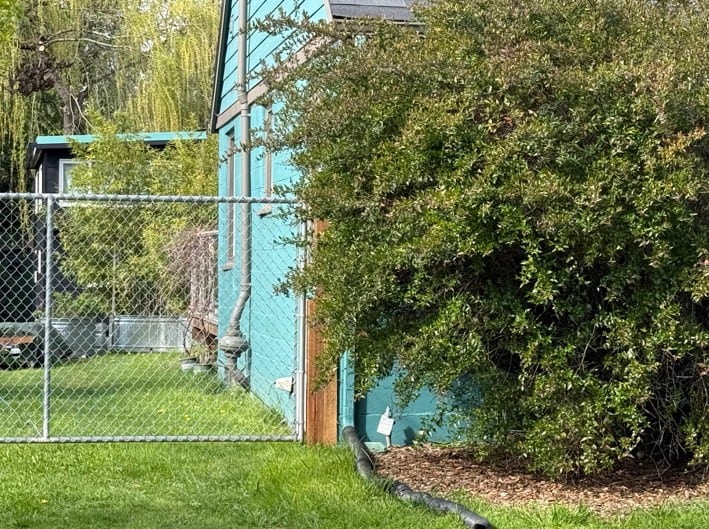
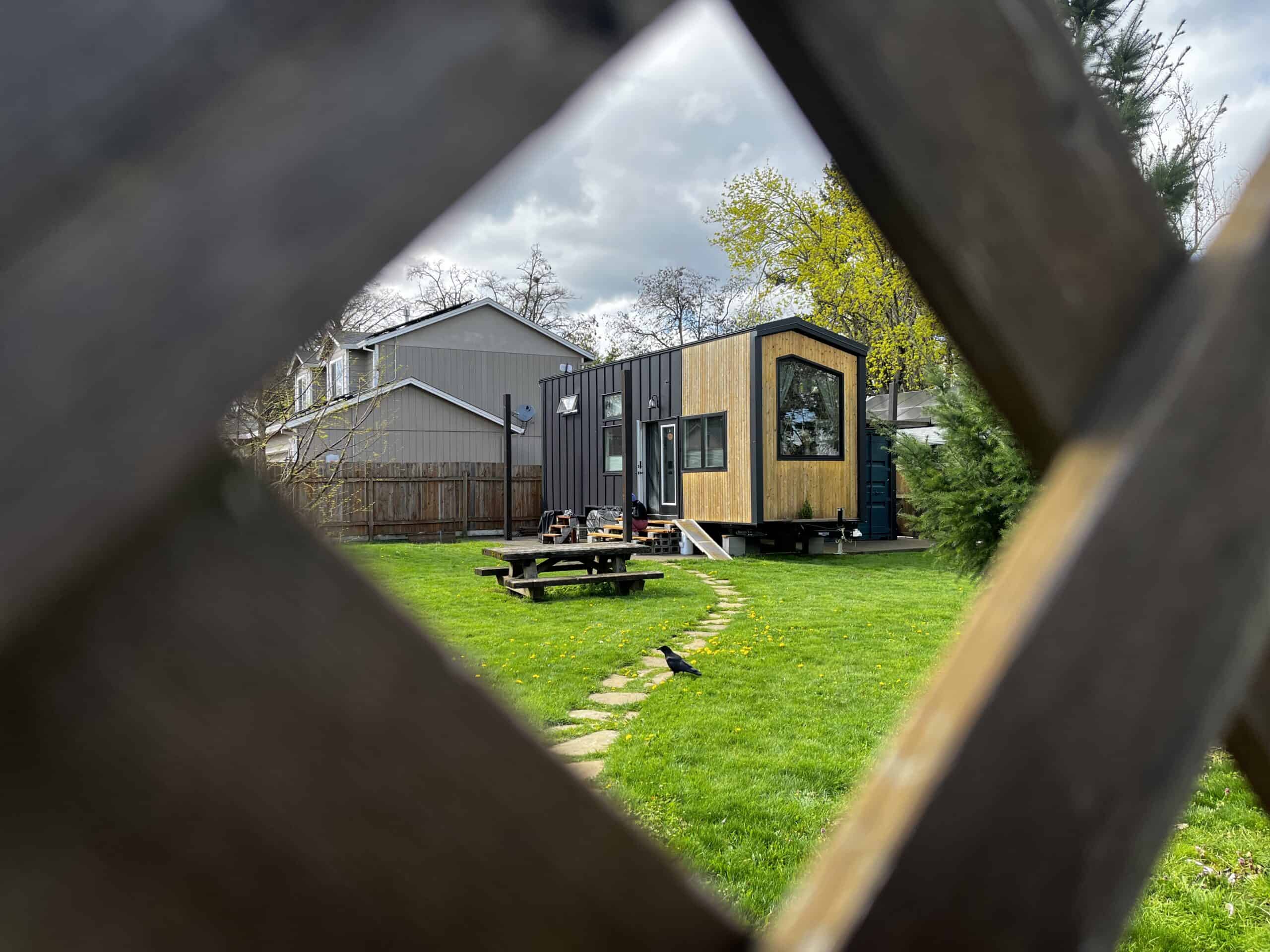
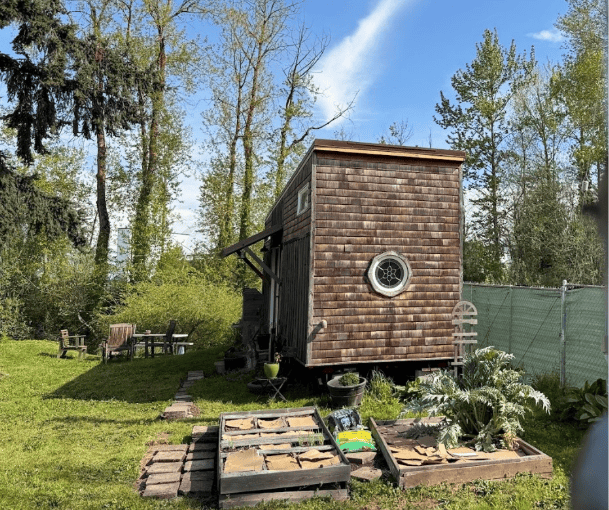
Lastly, the modern-looking THOW featured at the top of this article had also recently replaced an RV. A decade ago, that property was a vacant lot. The owner then added an RV, built a standard primary house, and kept the RV for several more years until swapping it for a roomier THOW, illustrating an incremental ladder of housing investment.
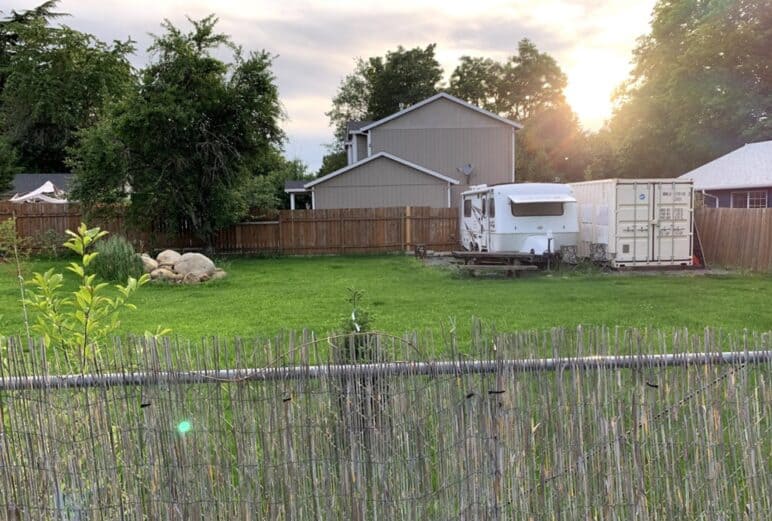
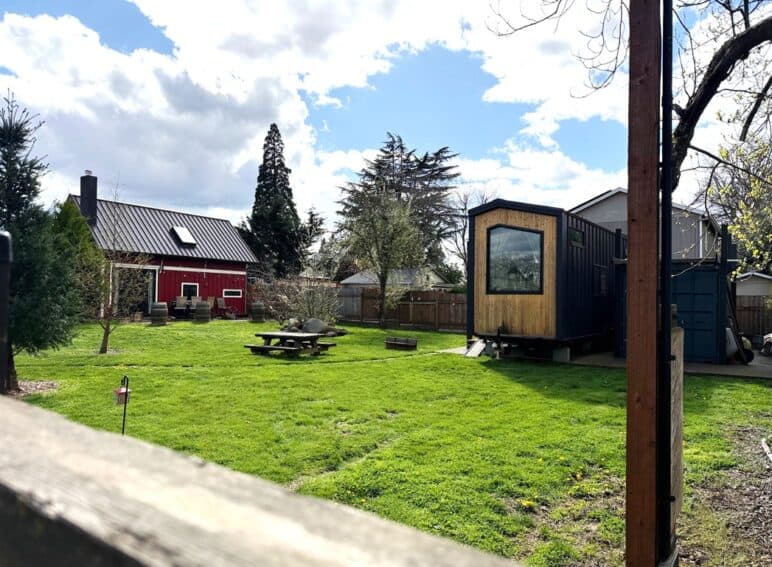
A THOW (right) has taken up residency on a parking pad that hosted an RV for several years (left). Photos by Kol Peterson.
6. People want more flexibility than the regulations allow
Portland doesn’t have many rules for mobile dwellings. But some of the ones they do have don’t work for a number of property owners. Specifically, these:
- The MDU home must be behind the front facade of the primary dwelling.
- No residential property may host more than one MDU.
Between these two rules alone, we found that just over one of every three properties were out of compliance.
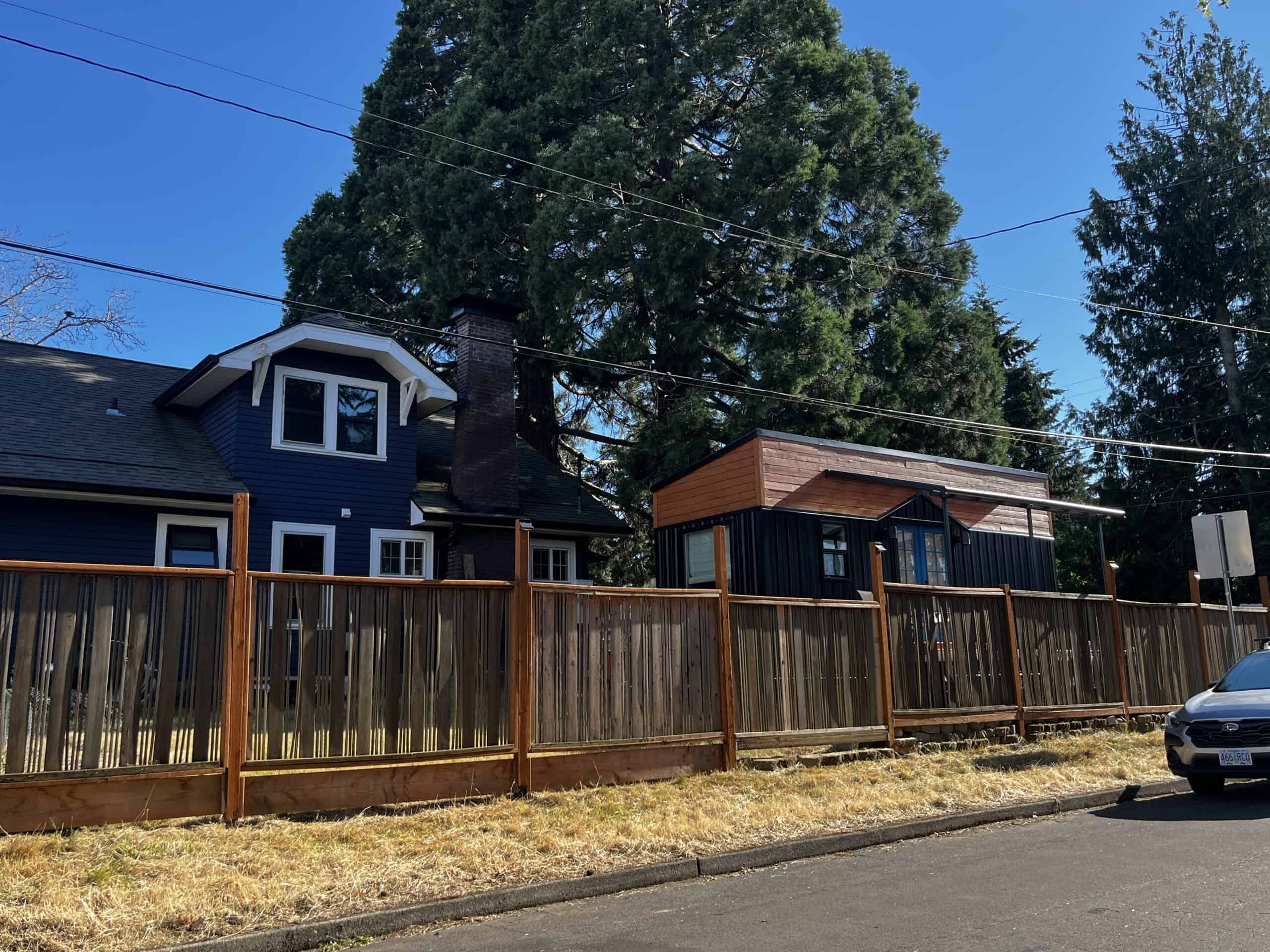
This gap between policy and practice may seem alarming, but a few factors readily explain it:
a. Properties might have multiple or confusing “front yards”
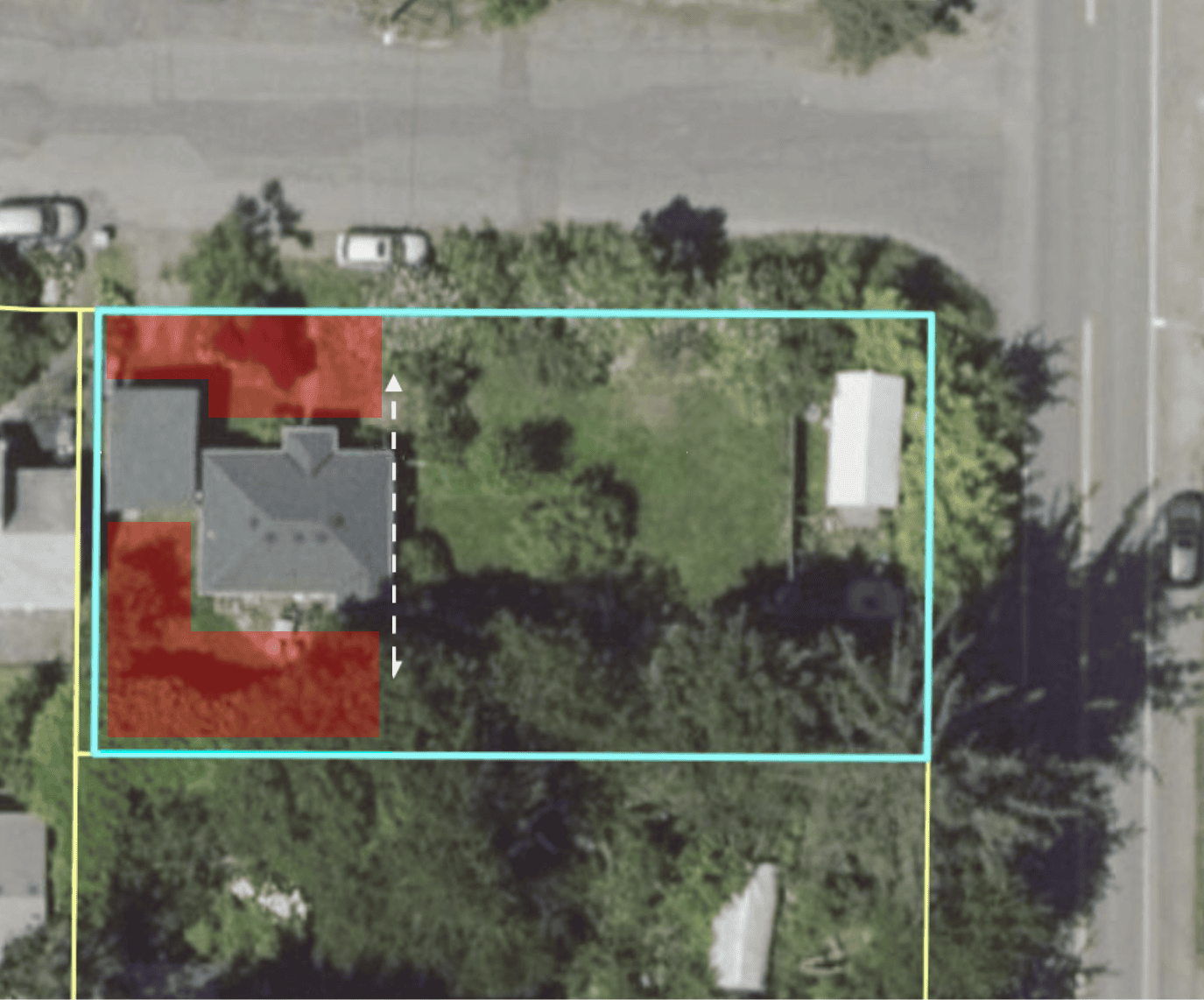
In Portland, a property can have multiple “front yards.” On through lots, on which both front and back yards face a city street, zoning treats both property lines facing the street as front yards. Corner lots, meanwhile, assign the shorter street frontage as the front yard by default, regardless of the road to which the house is oriented. While well intentioned, the requirement that the mobile dwelling be behind the “front” facade of the house cuts out nearly all legal placement options for these particular properties.
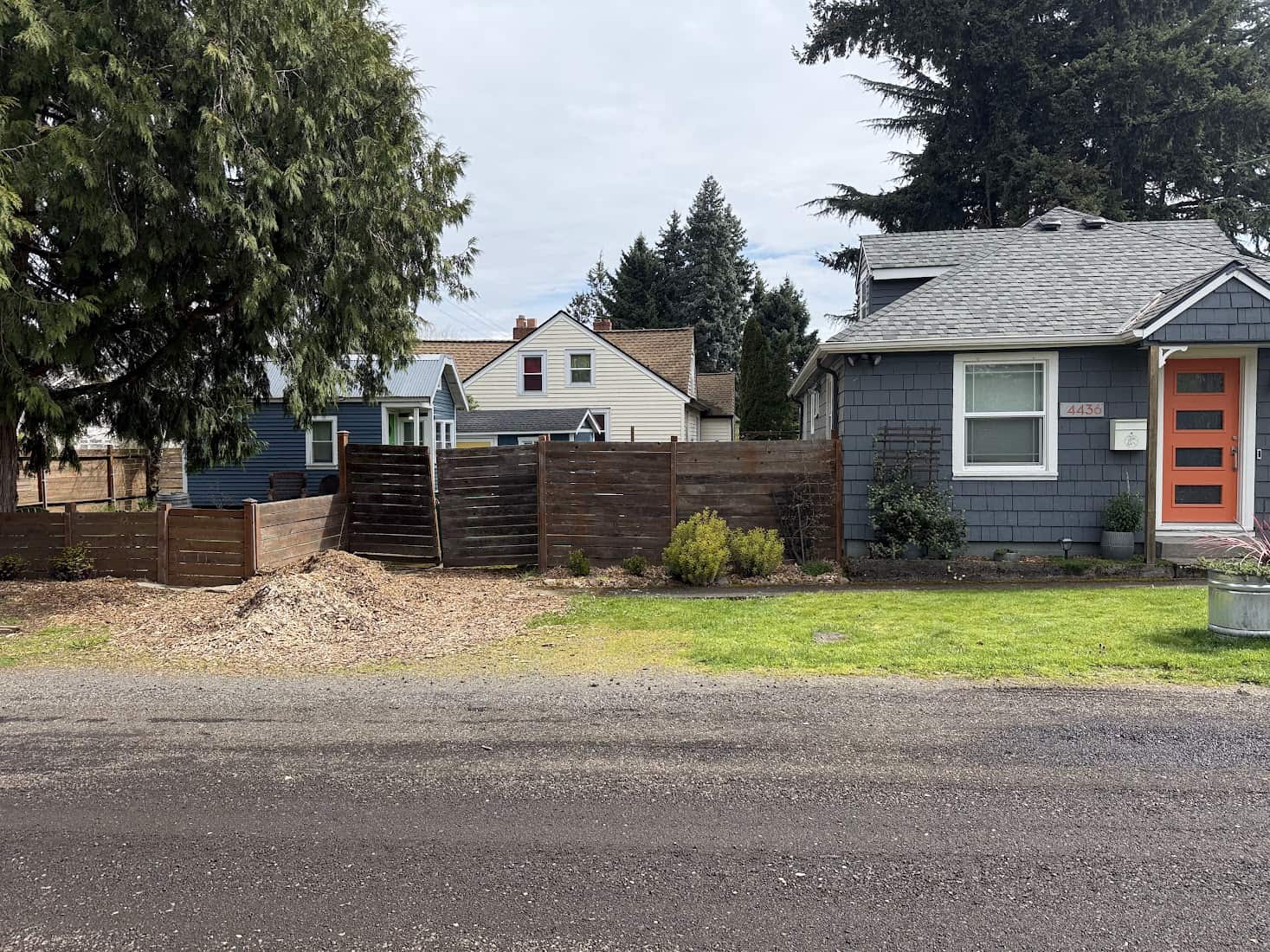
For the tiny house below, after a neighbor reported the “illegal” dwelling, the owners had to undergo a tedious legal process to obtain an exception to the front-facade rule. That included reviews by multiple agencies, mailers being sent to neighbors, then waiting to see if anyone appealed. Our 2026 survey found eight other properties technically breaking this front-facade rule.
b. Cully has large lots
Another element in this policy-to-practice gap is that the properties in the Cully neighborhood are larger than the city average. Cully was historically oriented around farms and only fully incorporated into the city in the 1980s. The resulting street grid in Cully is more spaced-out than in adjacent neighborhoods, with most residential lots zoned R7. That means a 7,000-square-foot minimum lot size, compared with 5,000 or 2,500, common for other eastside neighborhoods.
Many properties in Cully, then, have room to comfortably host more than one MDU. One property in the neighborhood became an intentional tiny house community way back in 2014, with connections for four tiny homes behind the main house. Opposite of flying under the radar, the community has a website and offers tours for $50.
Eight other Cully properties also had more than one mobile dwelling. Another ten had multiple parked, but on those, we were only confident enough to count one presently occupied MDU.
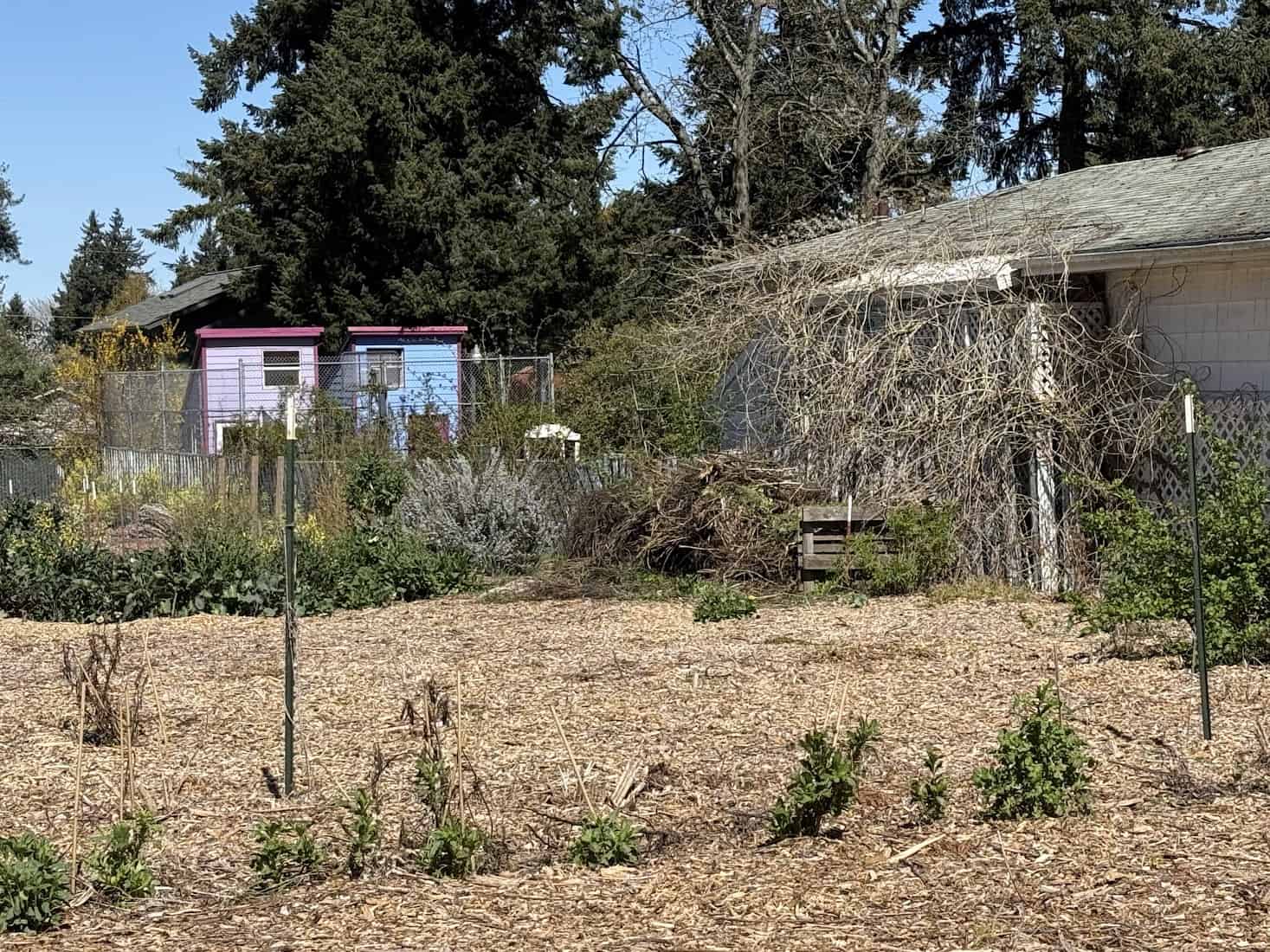
Large lot sizes can also mean that the primary house might be anywhere on the property. If far from the street, locating a mobile dwelling behind a front facade can be difficult if not impossible, even with the abundant space.
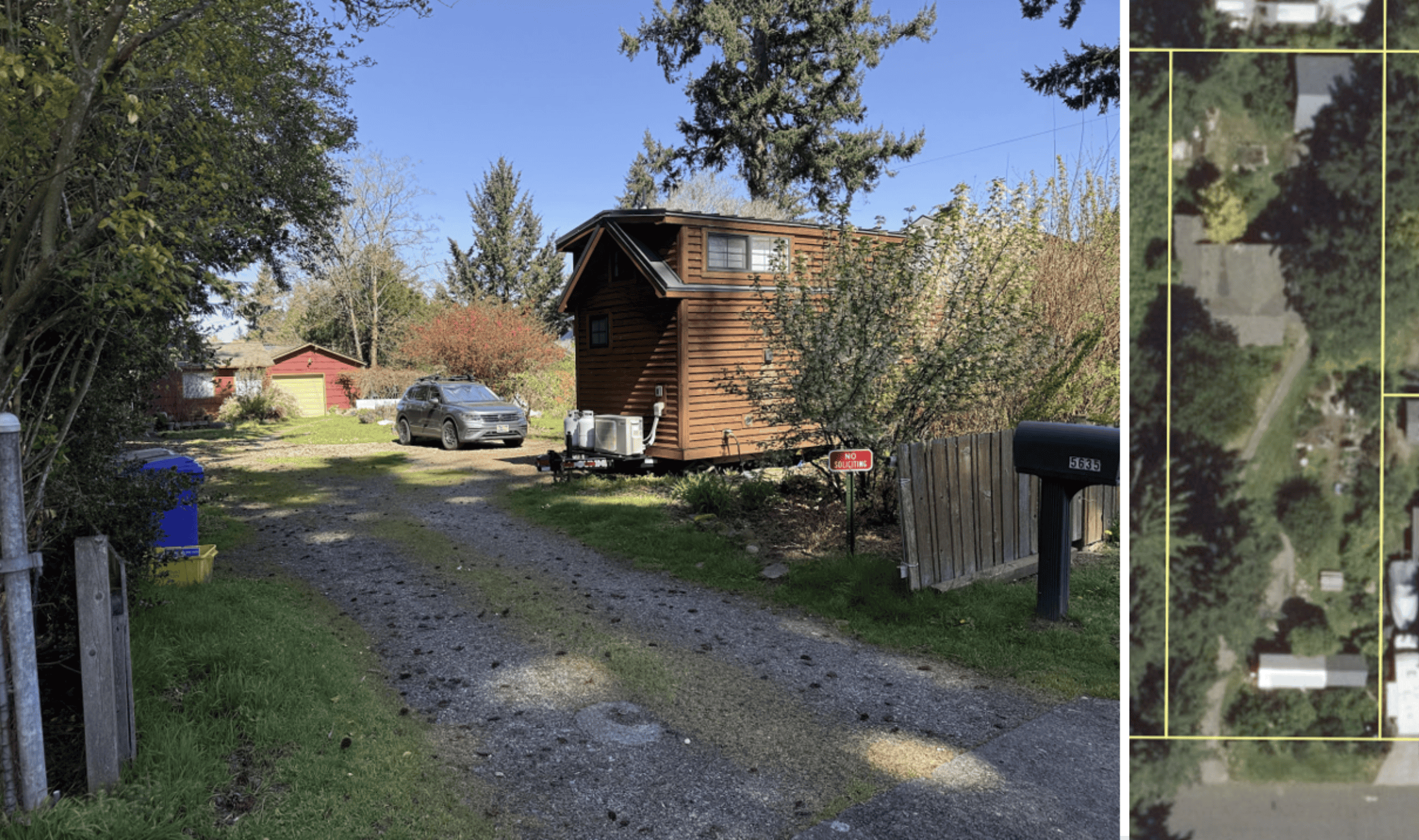
Because Cully’s street grid allows for deep lots, there are also many “flag lots,” where the so-called front yard for one house is wholly behind the back yard of another. Strictly speaking, the front facade rule should apply to both properties equally, but the additional distance from the street gives all residents ample privacy.
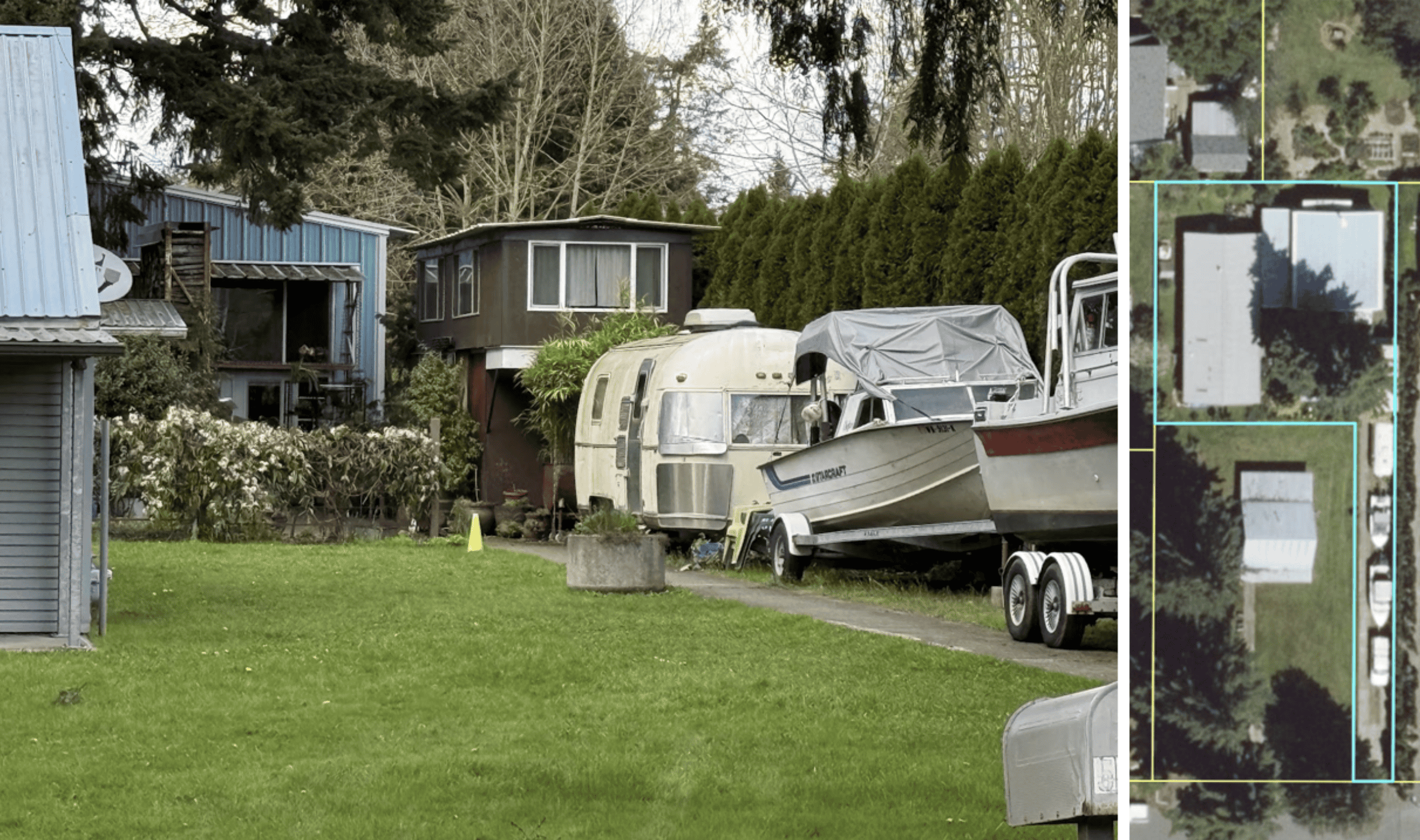
c. No site permits
It’s easier to make sense of Portland’s regulatory process for MDUs if you think of them more like vehicles than homes.
Rather than incorporating mobile dwellings as an alternative housing type to ADUs (and going through the standard ADU process and associated fees), it would be more accurate to say the city decriminalized living out of a vehicle, as long as it’s on a residential property and has proper access to utilities. There is no building permit needed because it is not a building. Those wheels are what make mobile dwellings distinctly different from every other housing option. It can easily move.
To that end, no one from the planning department is overseeing this program. There is no one in an office approving site plans. No one coming to Portlanders’ property to inspect their tiny house after it arrives. The guidelines are online, but it’s largely up to individuals to follow them. As long as the neighbors don’t mind, the city won’t either.
Enforcement actions do happen in cases when neighbors file a complaint with the city, and the rules exist as a backstop. Of the 120 properties actively hosting a mobile dwelling in 2026, we only found three relevant complaints. We also noted one property owner who had a long history of letting people in RVs set up on their land (much to their neighbor’s chagrin). They had recently added city-permitted utilities for a tiny house on wheels.
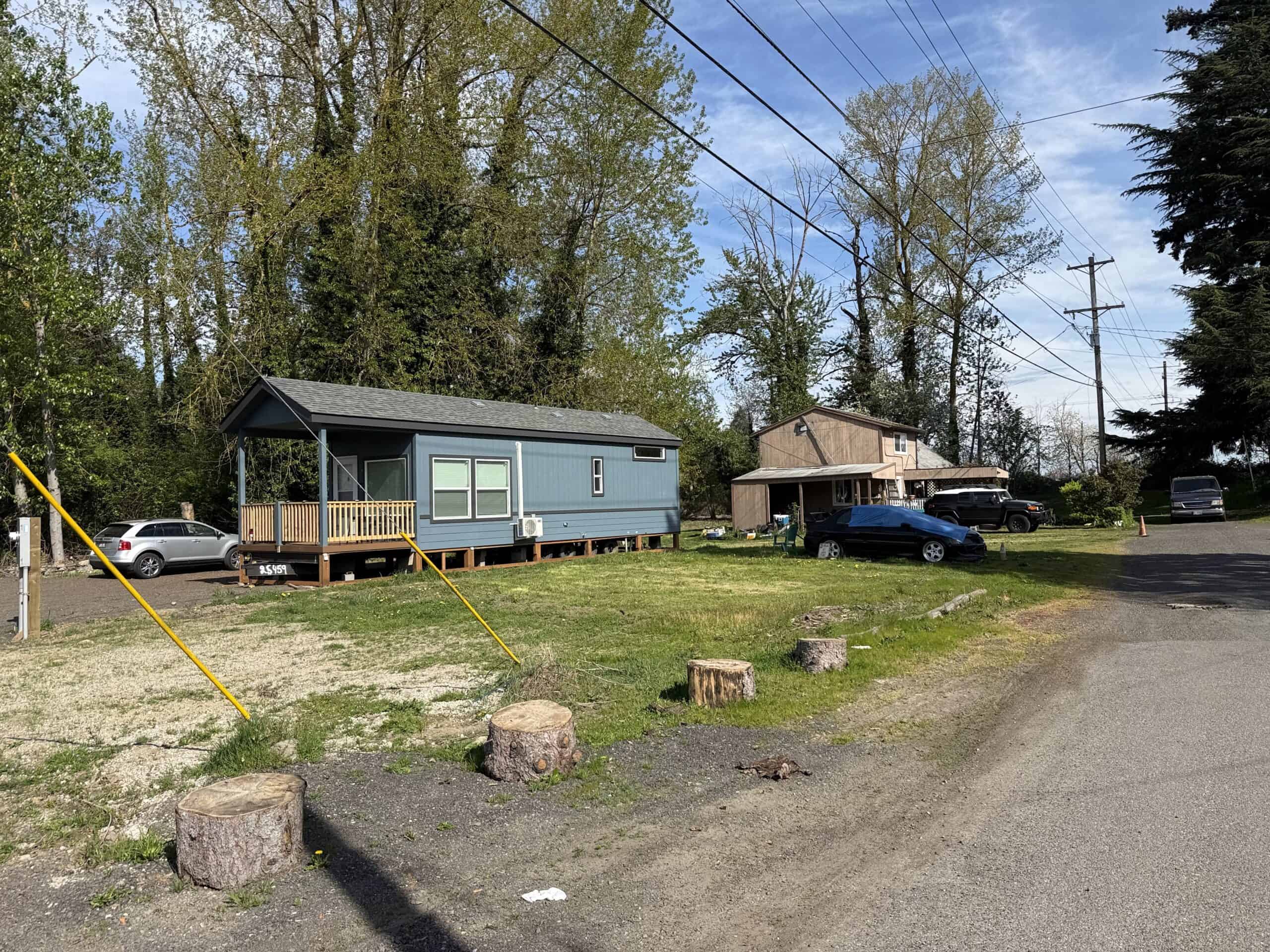
7. Portlanders want to house each other
The growth in mobile dwellings is a bright spot in an otherwise grim picture of housing construction. Despite widespread agreement that high prices are a result of underbuilding, efforts to increase supply have fallen short. Apartment buildings, typically the engine of new housing supply, have not recovered to their pre-pandemic levels; in fact, in Portland, they’ve sunk to lows not seen since the housing crash of 2008.
Despite these economic headwinds, or perhaps because of them, Cully residents are adding backyard homes at an increasing rate thanks to mobile dwellings. With utility connections often running below $10,000, they are a low-risk way for homeowners to generate a little rental income or take care of family without sacrificing their privacy—and without the increasingly high price tag of a typical ADU on a foundation. Sprouting these around neighborhood also likely plants the idea for others to do the same.
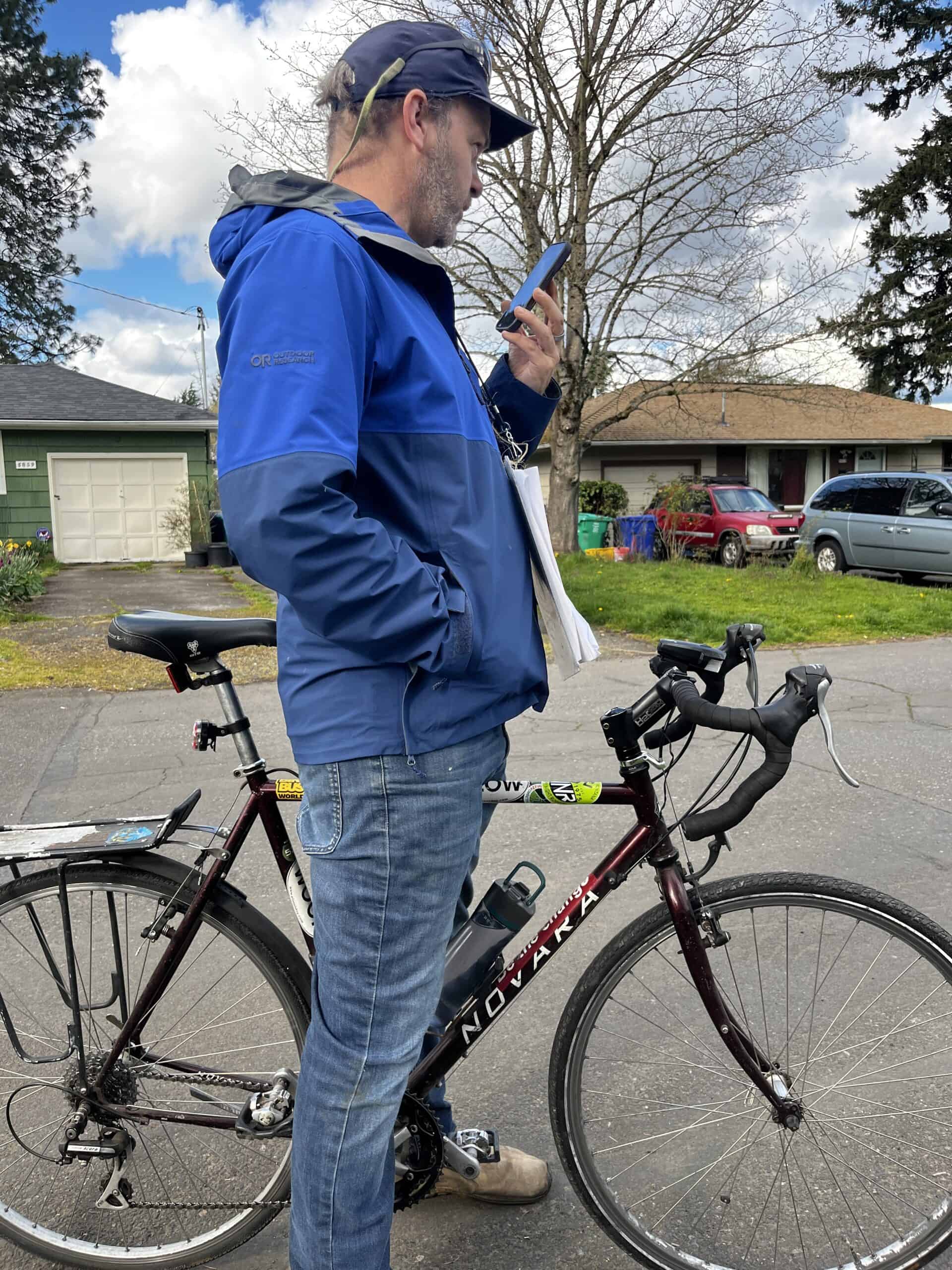
I witnessed this phenomenon firsthand as we pulled over for Kol to take a phone call from a potential client. The caller was also in Cully, just down the street from us. They were interested in adding utilities for an MDU but wanted to make sure they could perhaps repurpose those connections later for a permanent, foundation-built ADU.
“Absolutely you can,” Peterson reassured. In the meantime, the neighborhood will get another safe place for someone to live, thanks to the legal pathway Portland created.
Author’s note 8/24/26: A previous version of this article incorrectly stated both street frontages for corner lots counted as front yards. We regret the error.
Related
- Fast, Affordable, Illegal | Homes on wheels are a lifeline for families, but zoning codes are still trying to keep them out.
- Homes on Wheels Are Filling a Big Gap in Portland | Three personal stories show how these small, affordable, flexible homes provide big solutions for families.

