Donate Newsletters

Cloud Peak to Put Coal Exports on Hold

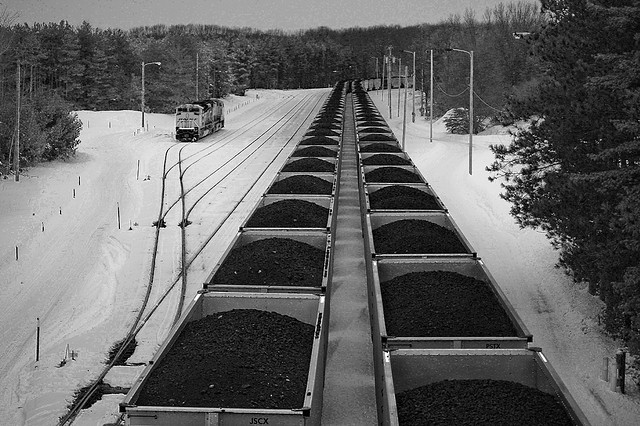
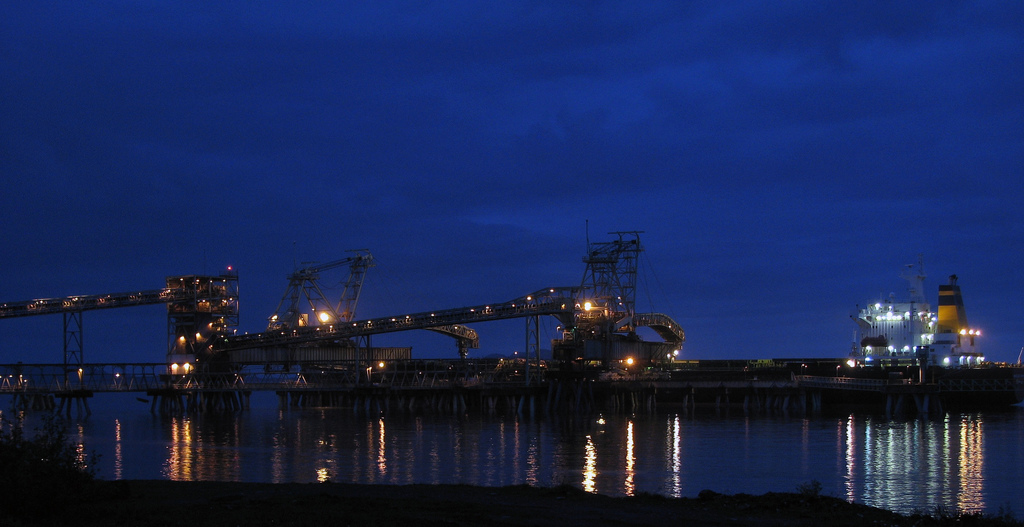
After the stock markets closed yesterday, Cloud Peak Energy dropped a bombshell announcement: the company now expects to put all coal exports on hiatus from 2016 through 2018. It was shocking news, coming from a company that had long made Asian exports the centerpiece of its growth strategy. But what made the news all the more shocking was … Read more

The Climate Consequences of Northwest Coal Exports

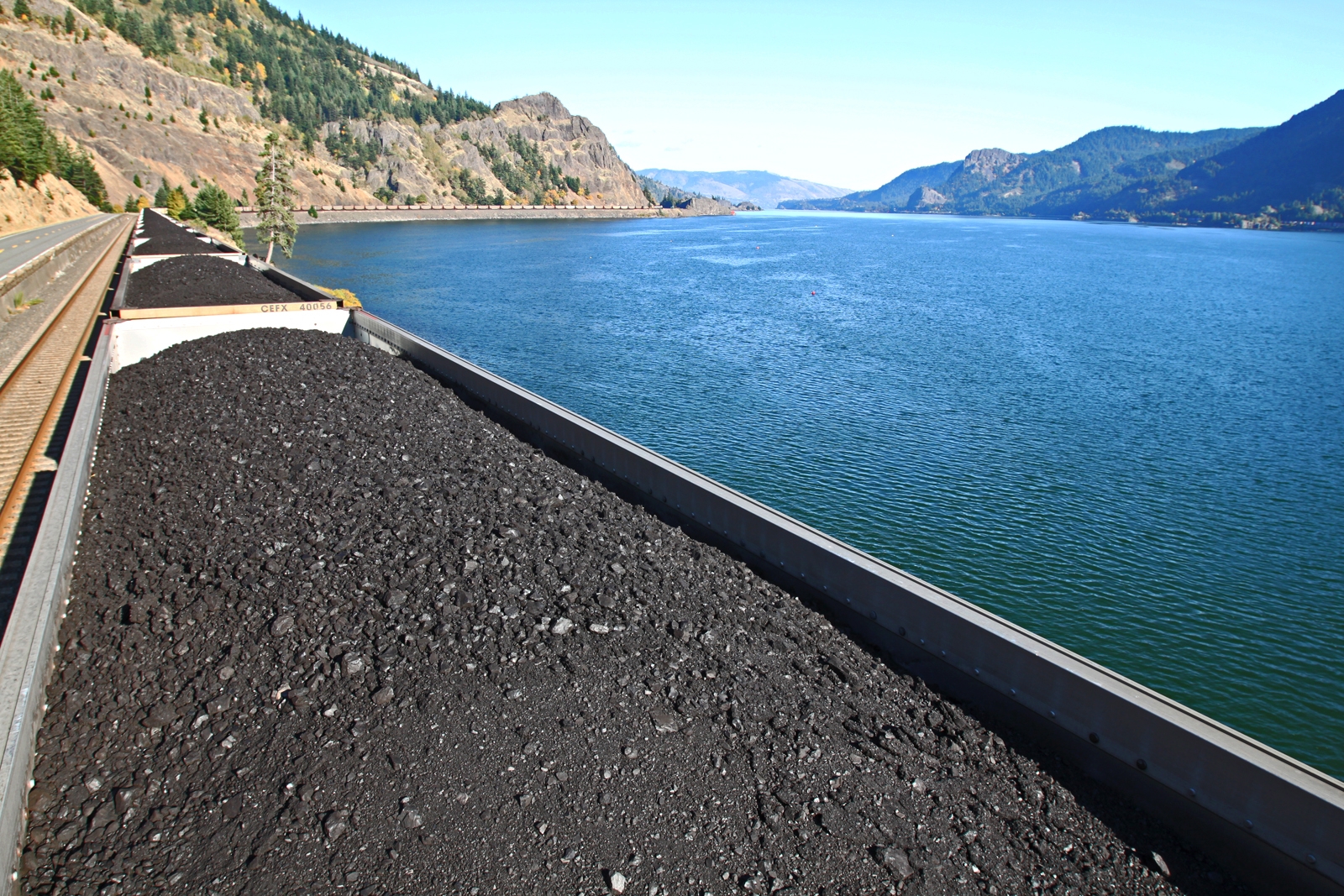
After a brief bubble of enthusiasm a few years back, the prospects for Northwest coal exports have dimmed dramatically. But despite wave after wave of dismal news for would-be exporters, the developers of massive coal export terminals in Washington and British Columbia keep marching forward, bound and determined to see their projects approved, built, operational, and channeling upwards of 100 … Read more

Climate Scientists Are People, Too

As a general rule, scientists are expected to keep their personal feelings to themselves. Scientific detachment is important. Objectivity is the name of the game for sound and accurate findings. But, as Ewan Birney, a computational biologist at Cambridge, wrote in the Guardian not long ago, “The lack of a natural forum for scientists to describe … Read more

More Bad News for BC Coal Exports

In case you were wondering, the bad news for coal exporters keeps rolling in.  Take, for instance, the latest figures from the Ridley coal export terminal in northern BC: Clearly, the precipitous decline in coal exports from the terminal is still underway. Metallurgical (steelmaking) coal had been the mainstay of the terminal since 2010, accounting for more than … Read more

Sightline’s Getting a New Look

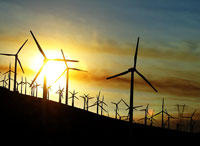
Windfarm at sunset
"Tah-dahhhh!", says Mieko.
“Tah-dahhhh!”, says Mieko.

Readers! Early next week, Sightline Institute will launch a fresh new version of our website. I can’t wait, and here’s why…

A single streamlined site

Many of you don’t even realize it, but Sightline Institute has two sides to its website (for reasons not worth explaining). Both contain important research and information about Sightline, but studying our web traffic showed us that it wasn’t clear to you how to move between the two. Can’t blame ya.

Anyway, no more! The new sightline.org will house all of our research, from shorter articles and commentary to lengthier reports and graphics, as well as our staff bios, contact info, and Sightline Daily news picks, among other things.

Speaking of Sightline Daily

No, don’t worry! We’re not about to change your favorite news round-up. But from now on, “Sightline Daily” will refer only to the news round-up (and its email version). No more blog. No more people citing Sightline Daily‘s research instead of Sightline Institute’s research. No more, “Wait, you guys do more than just that awesome news round-up?” Indeed, friends, we do. So, so, so much more.

Better navigation tools

The new site features clearer navigation menus to access our different research areas and specific series. All these menus stay accessible across every page of the site, so that you can easily jump from learning about what a Grays Harbor oil spill would look like to taking climate talking points from the Pope to checking out 26 (yes, 26!) ways to store your bike to seeing what Sightline staffers looked like circa 1993. (Er… maybe that last one shouldn’t make it through the migration process…)

Read more

The Thin Green Line Is Stopping Coal and Oil in Their Tracks

[prettyquote align=”right”]”Everybody outside the Northwest thinks that’s where energy projects go to die.”[/prettyquote]

“Everybody outside the Northwest thinks that’s where energy projects go to die.” That’s the reputation our region has earned as an increasing number of proposed coal and oil export projects have encountered ferocious opposition. It’s what the backer of a proposed oil refinery in Longview, Washington, told reporters earlier this year after his company’s stealth proposal was outed by environmental groups.

The Cascadia region has proven to be extraordinarily challenging for those who would turn it into a major carbon energy export hub—so much so that Sightline has taken to calling it the Thin Green Line.

Since 2012, a staggering number of schemes have proposed to move large volumes of carbon-intense fuels through Oregon, Washington, and British Columbia to Asian markets. A recent Sightline analysis shows that proposed and newly permitted energy projects in the region would amount to the carbon equivalent of more than five Keystone XL Pipelines.

But in big ways and small—from Coos Bay, Oregon, to Prince Rupert, British Columbia—the Thin Green Line has held fast. Big energy projects have faced delays, uncertainty, mounting costs…and then failure. A review of these projects makes clear just how successful the region has been in denying permission to dirty energy companies as it stays true to its heritage as a center of clean energy, sustainability, and forward thinking.

Read more

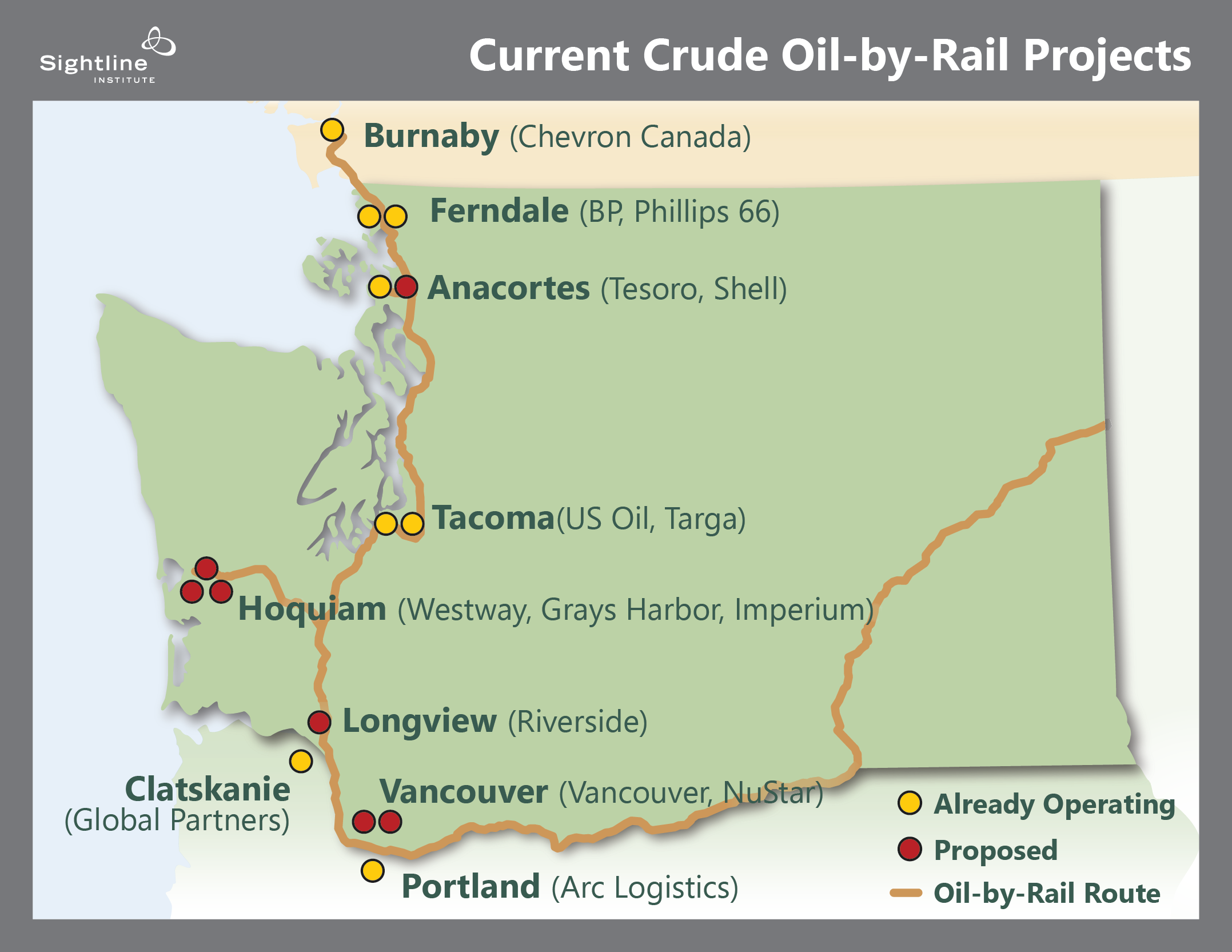
Pacific Northwest to See One Million Barrels of Crude Oil Per Day, 100 Oil Trains Per Week

For Immediate Release: July 6, 2015 Contact: Serena Larkin, serena@sightline.org, 206-447-1880 x111 SEATTLE // The Pacific Northwest stands to see over one million barrels of crude oil per day and more than 100 loaded oil trains per week roll through the region, according to a report released this morning by Sightline Institute. The report details … Read more

1 Million Barrels a Day, 100 Trains a Week

Sightline is re-releasing a popular report: The Northwest’s Pipeline on Rails. It’s the most comprehensive regional analysis of plans to ship crude oil by train. This update includes important new information showing far greater increases in oil train transport than previously thought. All told, the Northwest could soon be seeing more than one million barrels of crude oil by rail per day—far more than the Keystone XL Pipeline would move.

Moving large quantities of oil by rail would represent a major change for the Northwest’s energy economy, and the plans now in development put the region’s communities at risk.

Why does it matter?

  • In British Columbia, Oregon, and Washington, 15 refineries and port terminals are planning, building, or already operating oil-by-rail shipments.
  • If all of the projects were built and operated at full capacity, they would require more than 100 loaded mile-long trains per week

An Explainer: Coal Mine Cleanup and “Self-Bonds”

In case you missed the news, coal industry stock prices took yet another tumble on Friday, with all four of the largest US coal companies—Arch Coal, Alpha Natural Resources, Cloud Peak Energy, and Peabody Energy—closing at all-time lows. A Bloomberg analysis attributed the fall to new concerns about the financing of coal mine cleanups:

Two U.S. coal companies, Peabody Energy Corp. and Arch Coal Inc., sank to all-time lows amid concerns that they will have to pay more for insurance that covers environmental damage.

This, I’m sure, is the first time that many folks had ever read anything about coal mine cleanup, especially in the business press. So for newbies who just want an overview of the issue, have I got a treat for you: an FAQ covering the basics of the coal mine reclamation liabilities!!! (Please try to contain your excitement.)

Here goes…

Read more

The Surprising Reason You Don’t Feel Like Voting

[prettyquote align=right]”We can put the power back where it belongs: with voters.”[/prettyquote]

Do you ever think about just not voting, and then feel bad for being lazy? Or do you wonder what is wrong with your friends who don’t exercise their right to vote? Last time, I made the case that politicians aren’t bad apples, our voting system is a bad barrel. That bad barrel also taints voters, making them more apathetic, disengaged, and suspicious that the whole system is corrupted by money. In this article, I lay out more problems and solutions: voters feel like their votes don’t matter and money has too much influence, but a better voting system can engage voters and make money matter less.


Problem: Most election results are already decided before voters get the chance to vote in the general election.

Many countries have used the “election-before-the-election” as a tool for disenfranchising voters while still going through the motions of letting them vote. In the United States after the Civil War, Southern states could no longer legally prohibit people of color from voting. Instead, Southern states used “white primaries” to ensure that only white-approved candidates would be on the ballot. People of color could vote in the general election, but the real decisions had already been made. China recently used this tool against Hong Kong. China agreed to let all Hong Kong voters choose their chief executive. From a China-approved list of candidates.

In the United States, we still have systems ensuring that a select few pre-approve all the candidates before most people vote. We have party primaries. (We also have the money primary—more on money next.)

Read more

×
Privacy Overview
Sightline Institute

More information about our privacy notice

Strictly Necessary Cookies

Strictly Necessary Cookie should be enabled at all times so that we can save your preferences for cookie settings.

3rd Party Cookies

This website uses Google Analytics to collect anonymous information such as the number of visitors to the site, and the most popular pages.

Keeping this cookie enabled helps us to improve our website.

Additional Cookies

This website uses social media to collect anonymous information such as which platform are our users coming from.

Keeping this cookie enabled helps us better reach our audiences.